Introduction
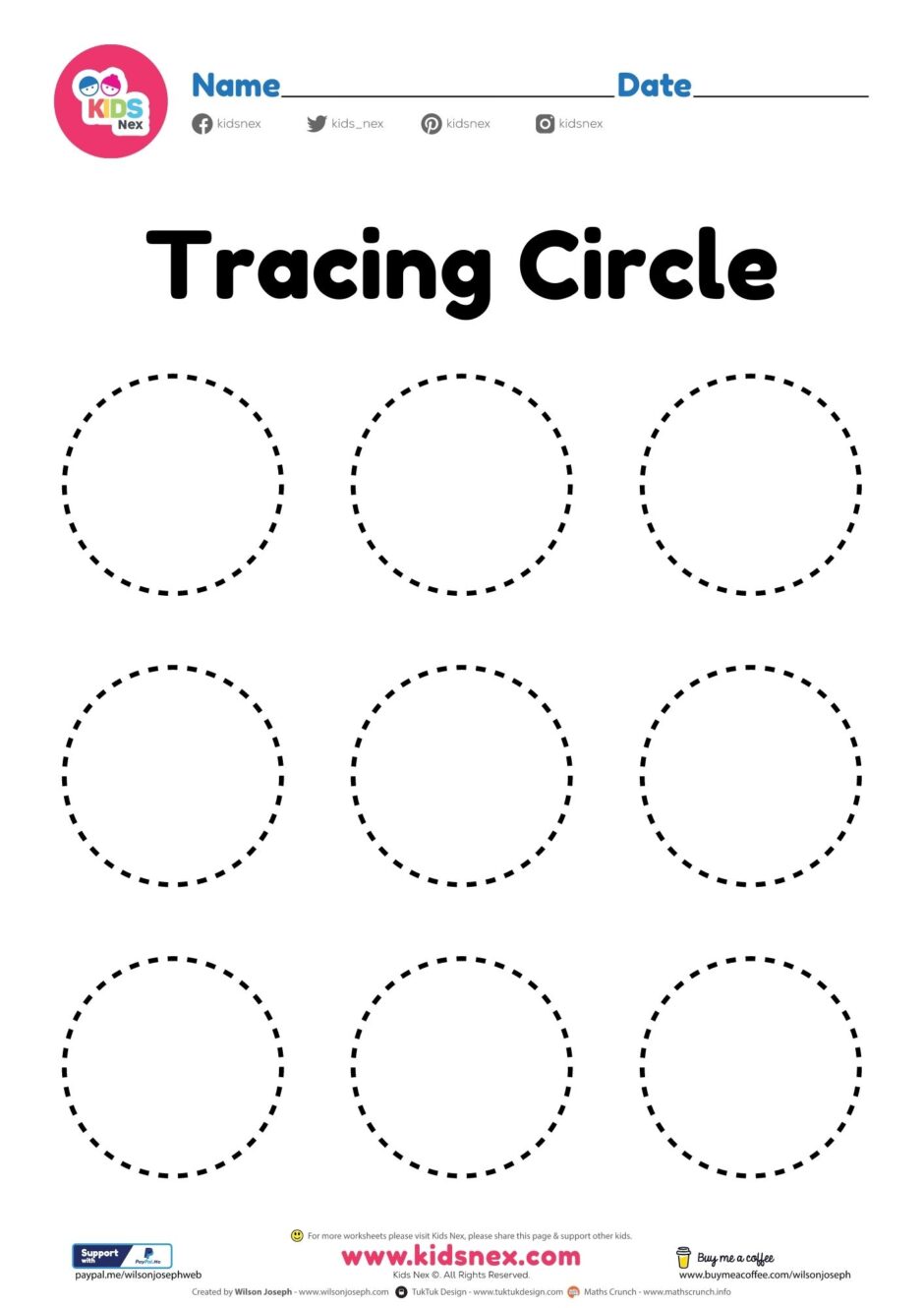
Many children recognize letters, numbers, and geometric shapes long before their fine motor skills can actually form them on paper. According to the American Occupational Therapy Association, foundational visual-motor integration and upper extremity stability must develop before a child can master complex writing tasks. Years of classroom and clinic observations show a common gap between cognitive understanding and physical execution. Young learners often possess the desire to draw and write, yet their hands lack the intrinsic muscle strength and stroke control needed for precise formation. Bridging that gap requires purposeful practice with fundamental geometric forms. The free circle and triangle tracing worksheet acts as a crucial stepping stone in early childhood development, turning abstract visual concepts into coordinated physical movements. Tracing shapes builds the precise muscle memory required for future academic success.
💡 Educational Key Takeaways:
- Core Skill: Structured Circle And Triangle Tracing focused on developing pencil grip, stroke control, and early literacy/math confidence.
- Target Scope: Suited for homeschoolers, preschool, kindergarten, and elementary learners.
- Best Recommendation: Practice 10–15 minutes daily with ergonomic writing tools to reinforce muscle memory without hand fatigue.
What This Worksheet Covers
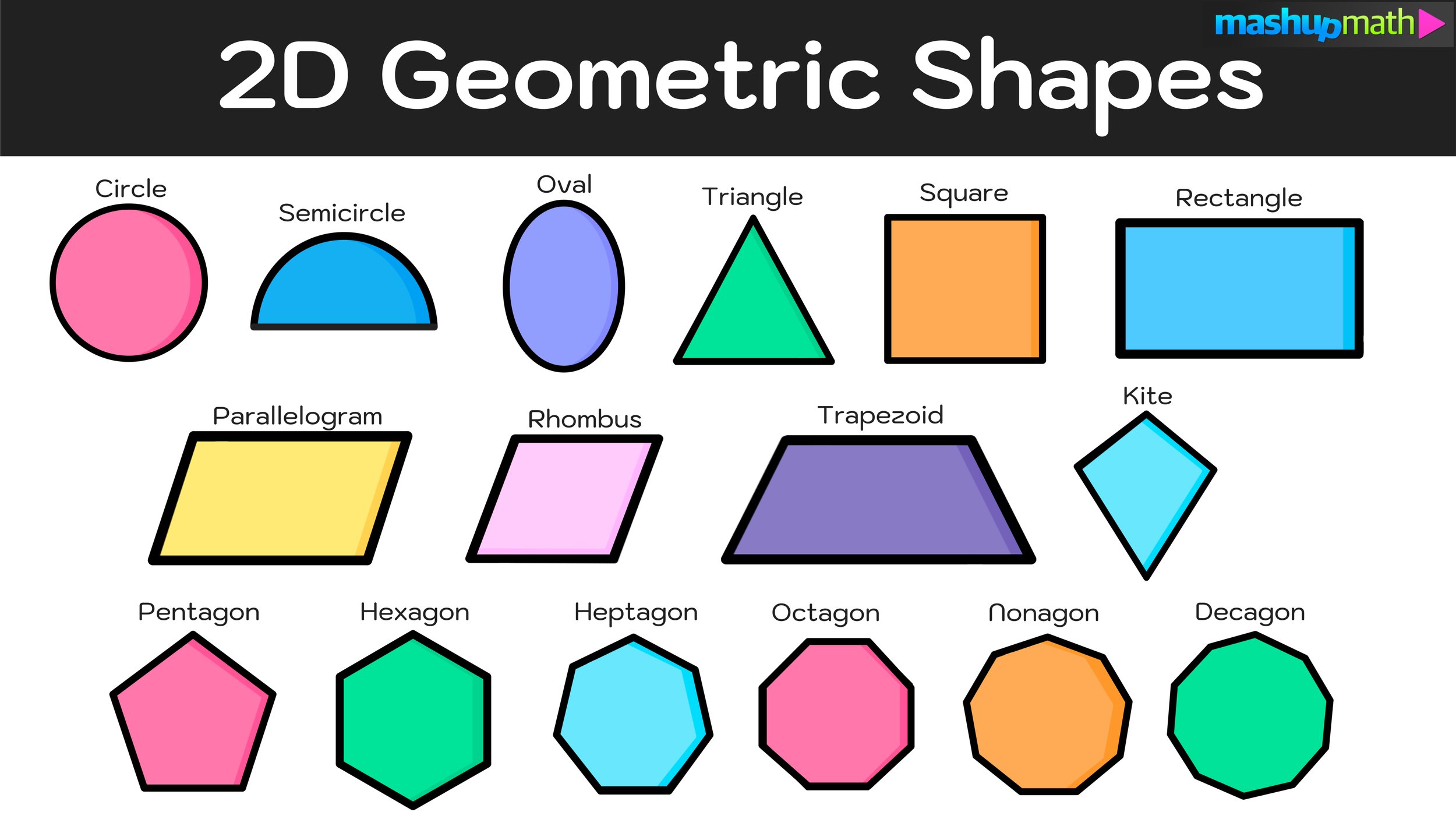
Mastering curved and angular lines forms the physical foundation of all handwriting and drawing. This printable resource focuses specifically on continuous curves and sharp intersections, guiding young hands through the distinct motor planning required for round and pointed shapes. Circular motions demand smooth, fluid wrist and finger movements, whereas triangles require deliberate stopping points, corner pivots, and directional shifts. According to the National Association for the Education of Young Children, providing experiences with varied graphic representations supports spatial awareness and early geometry concepts. Working through these distinct patterns helps stabilize the hand, refines visual tracking across the page, and teaches children how to modulate pencil pressure from soft sweeps to firm anchors. For more related activities, check out our Learning About Squares Age 3.
Key Learning Outcomes
Engaging with these geometric templates yields several essential developmental milestones for early learners. Children develop bilateral coordination by holding the paper steady with one hand while the dominant hand executes the tracing stroke. Pencil control naturally improves as fingers learn to navigate continuous circular loops without losing contact with the page. Visual-motor integration strengthens significantly when the eyes track the dotted path ahead of the pencil tip, teaching the brain to translate visual cues into physical action. Additionally, tracing triangles introduces corner awareness, teaching children how to pause, lift or pivot, and change trajectory—a vital skill for eventually forming letters like A, V, and K.
How to Use This Worksheet
Success with pre-writing sheets depends heavily on the physical setup and the adult’s approach to the task. It sounds simple, and that is the point, but rushing through the steps often leads to frustration or poor habits. Begin by placing the paper on a flat, well-lit surface with the child sitting comfortably at a 90-degree angle, feet flat on the floor or supported by a stable footrest. Encourage an efficient grasp where the pencil rests gently between the thumb and index finger, supported by the middle finger. Invite the child to trace the shapes first with an index finger to feel the movement before introducing crayons, markers, or pencils. This multi-sensory preview activates the motor cortex and sets clear expectations for the hand.
Practical Tips for Parents and Teachers
Adults play a pivotal role in guiding pencil grip without inducing anxiety or micromanaging every stroke. Here’s what makes this worksheet different: it allows for self-correction by offering clear, generous dotted paths that forgive minor slips while encouraging precision. Model correct grip and stroke direction by tracing a shape slowly in the air or directly on an extra sheet while narrating the physical motion. Scaffold the activity by breaking large shapes into smaller visual segments for younger hands, or extend the challenge for older children by asking them to trace without stopping. Praise effort and hand steadiness rather than perfection, keeping the atmosphere relaxed and playful.
Age-Appropriate Recommendations
Tailoring expectations to a child’s developmental stage prevents burnout and ensures steady progress. According to the CDC developmental milestones, toddlers around age two or three typically begin imitating vertical and horizontal lines, progressing to simple circles by age three to four. For younger preschoolers, use thicker writing tools like short crayons or chunky markers to promote a palmar or digital pronate grasp, keeping sessions short and playful. Children ages five to eight, operating within the Handwriting Without Tears framework, refine these early shapes into complex letter formations, numbers, and proportional spacing, making shape tracing an excellent warm-up for formal handwriting instruction found in resources like Fine Motor and Pre-Writing Skills and Shape and Line Tracing.
Foundational visual-motor integration and upper extremity stability must develop before a child can master complex writing tasks. — American Occupational Therapy Association
Frequently Asked Questions
Clear answers to common questions help educators and caregivers maximize the benefits of pre-writing printables.
Explore More Free Printable Tracing Worksheets
Expanding a child’s early writing journey involves exploring a wide variety of engaging, developmentally appropriate templates. Beyond fundamental shapes, young learners benefit from practicing letter formation, numerical sequences, and themed activities that sustain motivation. Caregivers and educators can discover a comprehensive collection of resources tailored to every developmental stage by visiting the full library at KidTraces.com. Whether looking to support early literacy with Dotted Letters For Tracing, build numerical fluency through Alphabet And Numbers Tracing, or add seasonal excitement using Seasonal and Fun Themes, consistent and joyful practice remains the true key to unlocking lifelong writing confidence.
Developmental Milestone & Activity Table
| Development Stage | Recommended Daily Duration | Primary Learning Objective |
|---|---|---|
| Preschool & Pre-K | 10 – 15 Minutes | Pencil grip development & basic pre-stroke lines |
| Kindergarten | 15 – 20 Minutes | Letter/number formation & spatial line awareness |
| Early Elementary (Grade 1–2) | 20 – 30 Minutes | Fluency, sentence construction & neatness |
Images References