Introduction
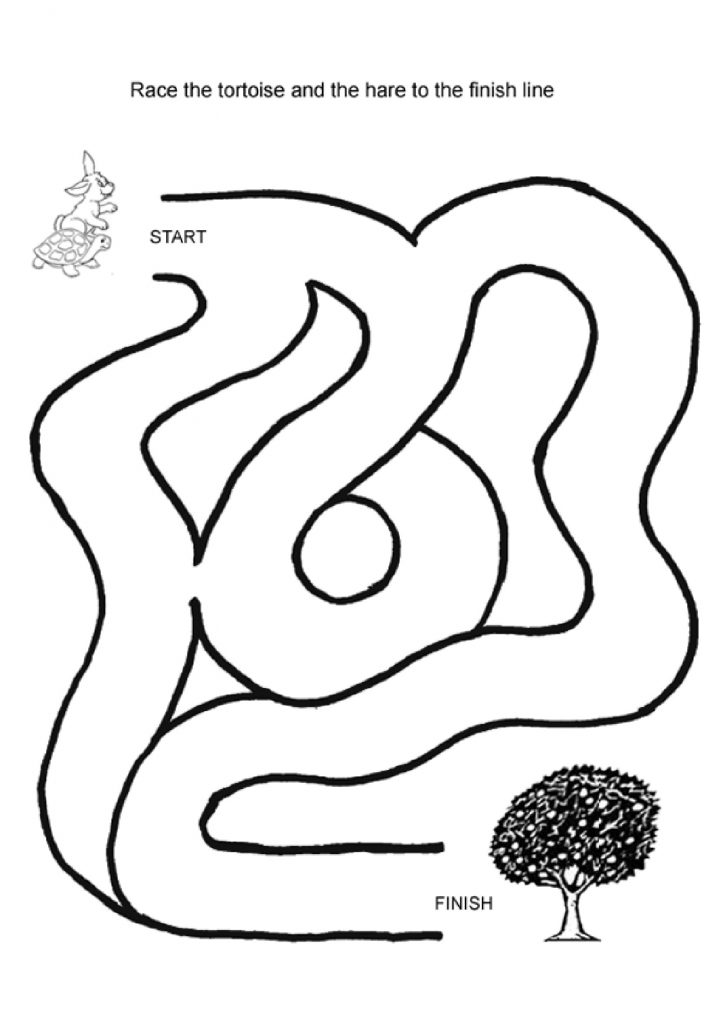
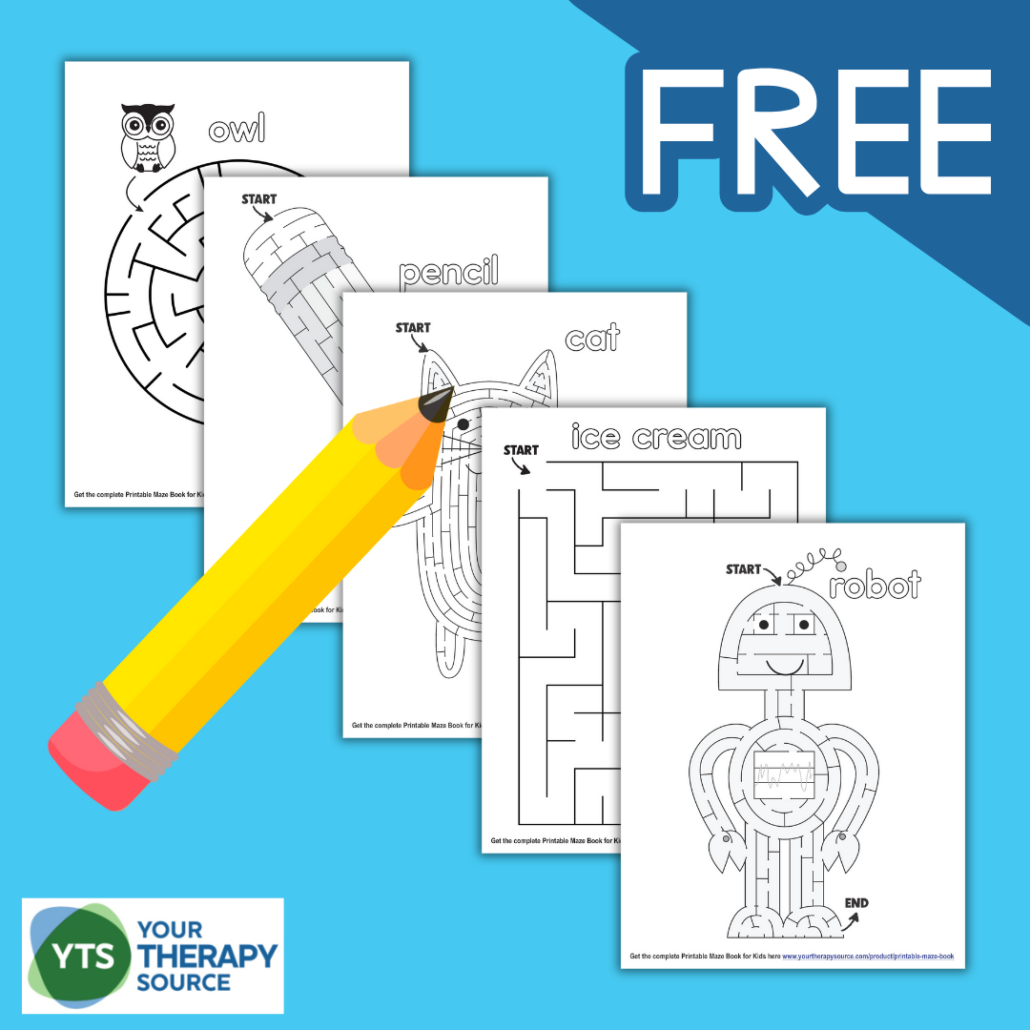
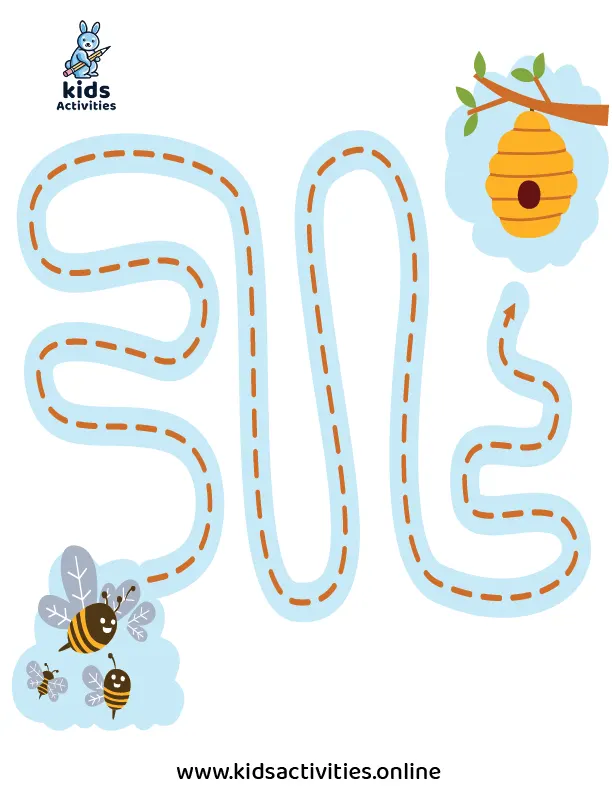
Watch any group of young children attempting to anchor a pencil to paper, and the complexity of early graphic communication becomes immediately apparent. Fingers tense, shoulders hunch, and pencils grip tightly like tools meant for carving stone rather than tracing lines. According to the American Academy of Pediatrics, foundational fine motor control develops progressively through hands-on practice, paving the way for eventual academic tasks. Many children recognize letters, shapes, and complex routes long before their intrinsic hand muscles and visual-motor integration pathways possess the stamina to replicate them physically. Bridging this gap requires engaging, low-pressure activities that build pencil control without frustration. Utilizing free printable mazes for tracing lines offers an exceptional method for developing hand strength, spatial awareness, and sustained attention through playful problem-solving. Explore more in our Shape and Line Tracing collection.
💡 Educational Key Takeaways:
- Core Skill: Structured Free Printable Mazes For Tracing Lines focused on developing pencil grip, stroke control, and early literacy/math confidence.
- Target Scope: Suited for homeschoolers, preschool, kindergarten, and elementary learners.
- Best Recommendation: Practice 10–15 minutes daily with ergonomic writing tools to reinforce muscle memory without hand fatigue.
What This Worksheet Covers
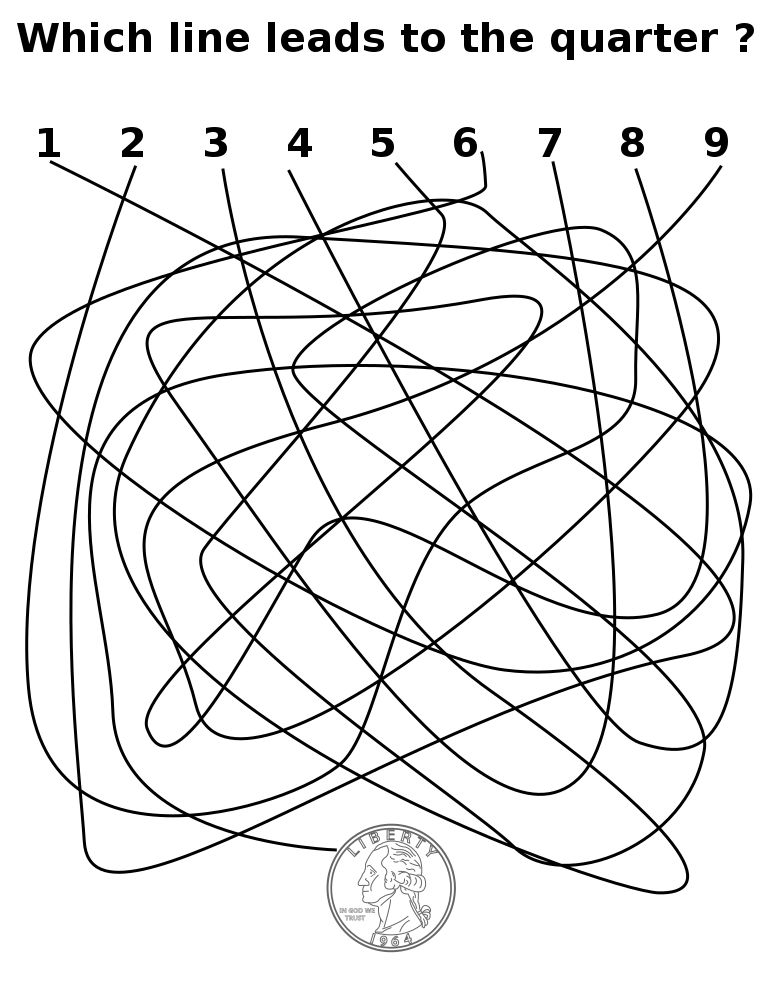
Navigating a maze demands much more than simply drawing a random streak across a page. It requires continuous visual tracking, directional planning, and sustained wrist stability as the hand moves from a starting point to a designated goal. Unlike rigid worksheets that require monotonous repetition of a single stroke, these mazes integrate horizontal, vertical, diagonal, and curved trajectories into a cohesive challenge. This dynamic approach directly targets the core muscle groups in the hand, wrist, and forearm while keeping boredom at bay. According to the National Association for the Education of Young Children, active manipulation of writing implements through playful exercises fosters vital neural connections essential for future academic success. For more related activities, check out our Tracing Lines Ball Worksheet.
Key Learning Outcomes
Engaging with these tracing challenges nurtures several crucial developmental domains simultaneously. Hand-eye coordination improves dramatically as children visually anticipate turns and corners before their fingers execute the movement. Pencil control and grip endurance strengthen naturally because the winding paths require continuous pressure regulation rather than abrupt stopping and starting. Crossing the body’s midline happens effortlessly as the hand travels across the page, reinforcing bilateral integration. Spatial awareness also expands as learners judge distances, navigate tight corners, and learn to keep their lines safely contained within distinct boundaries.
How to Use This Worksheet
Implementation succeeds best when approached as a game rather than a formal test of ability. Placing the printed sheet on a flat, stable surface helps maintain proper posture and encourages a functional grasp. If a child shows early fatigue, sliding the page inside a dry-erase sleeve with a marker provides a forgiving, reusable surface that lowers the stakes of making a mistake. Starting with wider paths allows younger hands to succeed easily before gradually introducing tighter corridors that demand finer precision and greater neuromuscular control.
Practical Tips for Parents and Teachers
Adults play a vital role by observing hand posture and offering gentle adjustments rather than taking over the writing utensil. Modeling a relaxed tripod grasp gives children a visual target to imitate during the activity. Scaffolding the experience works wonders; tracing the path with an index finger first helps the brain map the route before the pencil touches the paper. Extending the challenge can be as simple as timing the journey playfully or introducing colored pencils to track different routes through the same maze, keeping enthusiasm high throughout the session.
Age-Appropriate Recommendations
Matching the complexity of the tracing activity to developmental capability ensures positive learning experiences across early childhood. According to the CDC developmental milestones, toddlers and preschoolers aged two to four benefit immensely from broad, simple pathways and short distances that accommodate emerging palmar or transitional pencil grasps. Children aged five to eight, aligning with the expectations outlined in the Common Core ELA standards for foundational writing readiness, thrive on intricate mazes featuring sharp angles, varied line weights, and extended pathways that challenge their mature tripod grips and advanced visual-motor integration skills.
Foundational fine motor control develops progressively through purposeful manipulation, supporting the neural pathways necessary for advanced writing tasks. — American Academy of Pediatrics
Frequently Asked Questions
Caregivers and educators frequently ask how to maximize the benefits of these printable resources during daily routines. Clear, direct answers help streamline planning and support optimal developmental outcomes for developing hands.
Explore More Free Printable Tracing Worksheets
Expanding a child’s collection of foundational practice materials supports continuous skill development across multiple domains. Beyond navigating winding paths, learners benefit greatly from exploring specialized resources tailored to specific developmental milestones. Discover additional guided practice opportunities by browsing through the alphabet and numbers collection via Alphabet And Numbers Tracing. To further refine pencil control and strengthen intrinsic hand muscles, explore the curated exercises found in Fine Motor and Pre-Writing Skills. Children transitioning toward early letter formation will also thrive with the targeted practice available in Dotted Letters For Tracing. A comprehensive library of resources covering every stage of early childhood development is always accessible at KidTraces.com, where families and educators find endless support for growing learners.
Developmental Milestone & Activity Table
| Development Stage | Recommended Daily Duration | Primary Learning Objective |
|---|---|---|
| Preschool & Pre-K | 10 – 15 Minutes | Pencil grip development & basic pre-stroke lines |
| Kindergarten | 15 – 20 Minutes | Letter/number formation & spatial line awareness |
| Early Elementary (Grade 1–2) | 20 – 30 Minutes | Fluency, sentence construction & neatness |
Images References