Introduction
Many children recognize letters, shapes, and patterns long before their hands possess the tiny intrinsic muscle control required to form them cleanly on a page. According to the American Occupational Therapy Association, foundational fine motor skills—such as finger dexterity, hand strength, and bilateral coordination—must develop sequentially to support later functional tasks like handwriting. Adults often rush straight to letter drills, missing the essential stepping stones of spatial awareness and pencil control. That is precisely where playful pre-writing activities bridge the developmental gap. The free printable tracing lines ball worksheet offers a delightfully engaging pathway for young learners to master the foundational strokes necessary for future writing success, transforming abstract pencil movements into a fun, relatable challenge.
💡 Educational Key Takeaways:
- Core Skill: Structured Tracing Lines Ball Worksheet focused on developing pencil grip, stroke control, and early literacy/math confidence.
- Target Scope: Suited for homeschoolers, preschool, kindergarten, and elementary learners.
- Best Recommendation: Practice 10–15 minutes daily with ergonomic writing tools to reinforce muscle memory without hand fatigue.
What This Worksheet Covers
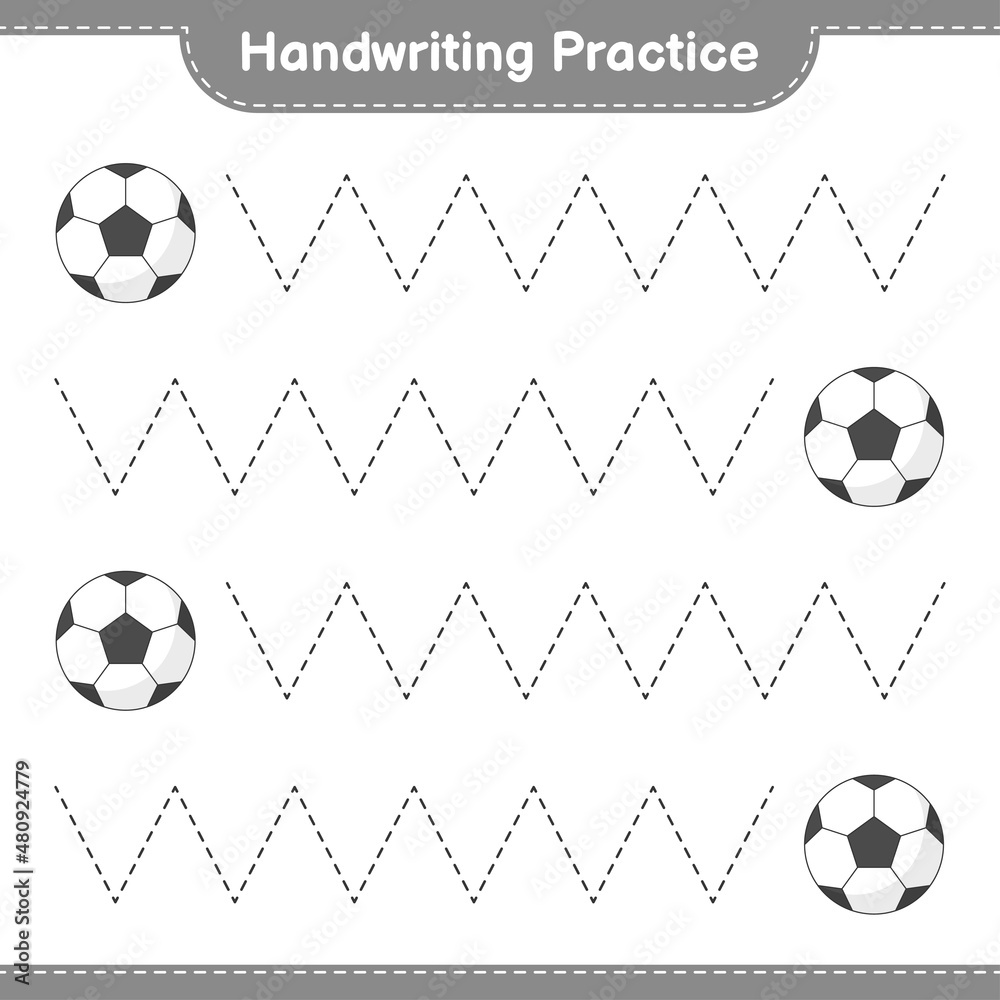
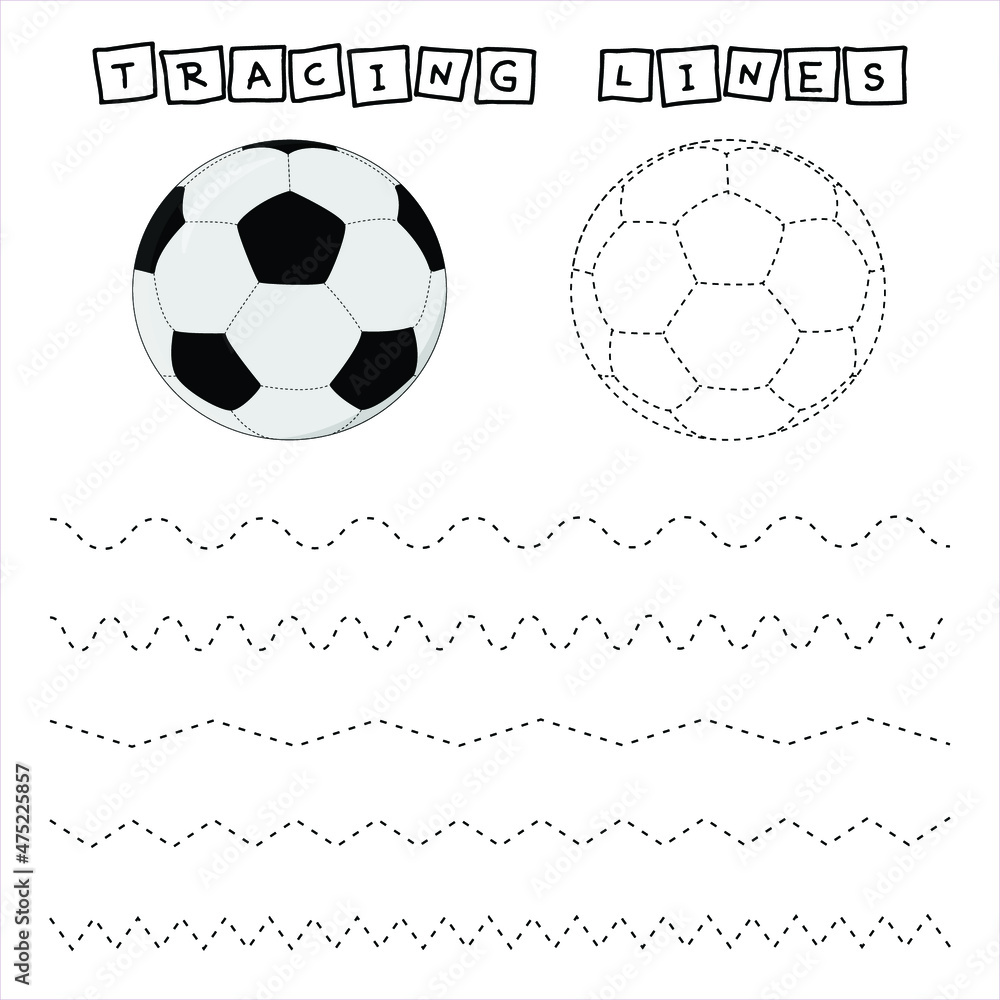
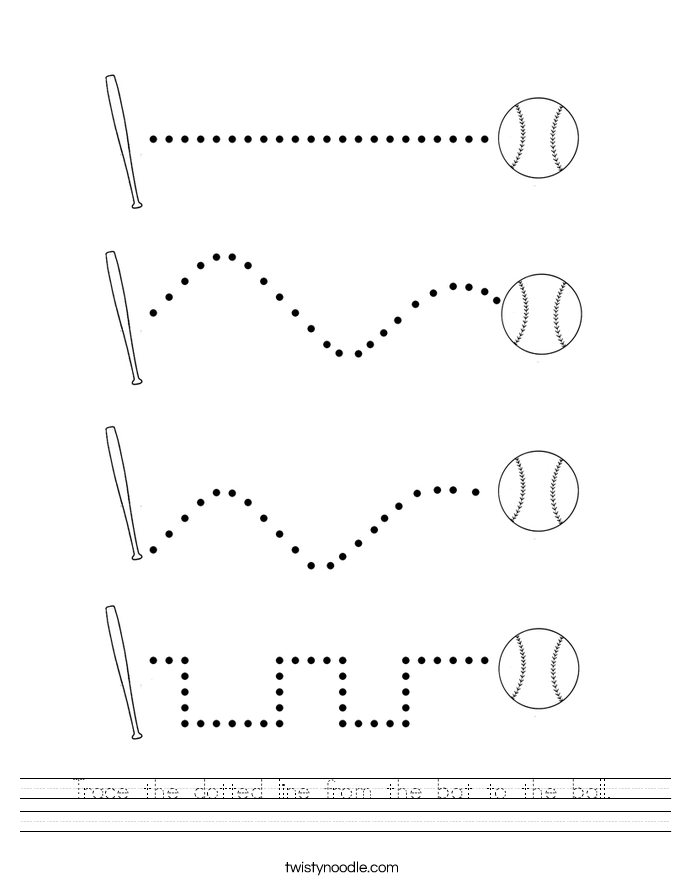
This specific activity focuses on directional pre-writing strokes by connecting a bouncing or rolling ball to its destination using various line paths. Children encounter straight, curved, zig-zag, and loop lines that mimic the dynamic movement of a ball in motion. Working through these distinct pathways requires constant visual-motor integration, teaching the hand to follow a targeted visual track across the paper. It sounds simple, and that is the exact point. By removing the cognitive load of letter formation, the brain focuses entirely on smooth, controlled pencil movement, pressure regulation, and spatial tracking. These mechanical foundations are explored further across broader collections of Fine Motor and Pre-Writing Skills resources designed to build long-term writing endurance.
Key Learning Outcomes
Young learners develop enhanced visual-motor integration by coordinating eye movements with hand actions to stay on the printed path. Pencil control improves dramatically as fingers learn to alternate between gentle curves and sharp directional changes without losing grip stability. Children also cultivate an understanding of left-to-right progression, which serves as an absolute prerequisite for reading and writing fluency. Furthermore, completing the continuous paths fosters sustained focus, building the frustration tolerance needed for longer academic tasks. For more targeted visual-spatial practice, explore additional layouts found within the Shape and Line Tracing category.
How to Use This Worksheet
Setting up the activity properly ensures maximum developmental benefit and prevents early hand fatigue in young learners. Printing the page on heavier cardstock provides extra stability, especially for children who tend to press down heavily with their writing utensils. Slipping the printed sheet into a clear dry-erase sleeve transforms the single-use paper into a reusable surface, inviting low-stakes repetition where mistakes easily vanish with a quick wipe. Pairing the exercise with broken crayons or short golf pencils naturally encourages an optimal tripod grasp by making it physically difficult to wrap a full fist around the tool. Educators can find complementary thematic templates by browsing through various Seasonal and Fun Themes available for daily practice.
Practical Tips for Parents and Teachers
Adults should always model the correct starting point on the left side of the page, guiding the child’s index finger along the line before introducing the pencil. Scaffolding the activity works wonders for hesitant learners; start by drawing physical tactile guides like yarn over the printed lines, then gradually fade the support as confidence grows. Encouraging children to verbalize the motion—such as saying bounce, swish, or roll while tracing—deepens the cognitive connection to the physical movement. Hand fatigue happens quickly, so limiting active tracing sessions to short, five-minute bursts keeps the experience positive and prevents muscle cramping. When children show readiness for actual letter formation, transition them gently using guidance from the Dotted Letters For Tracing section.
Age-Appropriate Recommendations
Aligning pre-writing tasks with established developmental frameworks ensures expectations match physical capabilities. According to the National Association for the Education of Young Children guidelines on developmentally appropriate practice, toddlers and young preschoolers benefit most from gross motor arm movements, thick vertical lines, and sensory-rich tracing paths. Children ages two to four should focus on simple horizontal and vertical tracks that build foundational shoulder and elbow stability. By ages five to eight, learners transition toward finer wrist and finger movements, mastering complex diagonal lines, loops, and zig-zags that prepare them for formal academic writing. Building a diverse portfolio of early writing practice is made easy with the vast assortment of free templates gathered at Tracing Worksheets.
Foundational fine motor skills, including hand strength and visual-motor integration, must develop sequentially to support later functional tasks like handwriting. — American Occupational Therapy Association
Frequently Asked Questions
Explore More Free Printable Tracing Worksheets
Supporting a child’s early writing journey requires a steady stream of fresh, engaging practice materials that grow alongside developing abilities. Every child moves through pre-writing milestones at an individualized pace, meaning access to a diverse library of tracing layouts makes all the difference in maintaining enthusiasm. Caregivers and educators can discover hundreds of free, high-quality resources spanning alphabet practice, number formation, and fine motor challenges by exploring the complete collection at KidTraces.com today.
Developmental Milestone & Activity Table
| Development Stage | Recommended Daily Duration | Primary Learning Objective |
|---|---|---|
| Preschool & Pre-K | 10 – 15 Minutes | Pencil grip development & basic pre-stroke lines |
| Kindergarten | 15 – 20 Minutes | Letter/number formation & spatial line awareness |
| Early Elementary (Grade 1–2) | 20 – 30 Minutes | Fluency, sentence construction & neatness |
Images References