Introduction
Many children recognize letters, numbers, and geometric shapes long before their fine motor skills can actually form them on paper. According to the American Occupational Therapy Association, foundational pencil control and visual-motor integration are critical prerequisites for academic success in early childhood. Translating a mental concept of a shape into physical marks requires precise hand-eye coordination, bilateral integration, and sustained postural stability. Diamond tracing bridges this exact developmental gap by offering structured, repeatable pathways for young hands to master complex diagonal lines. It sounds simple, and that is precisely the point. Through targeted shape and line tracing, children build the intrinsic muscle strength and spatial awareness needed for future handwriting fluency.
💡 Educational Key Takeaways:
- Core Skill: Structured Diamond Tracing focused on developing pencil grip, stroke control, and early literacy/math confidence.
- Target Scope: Suited for homeschoolers, preschool, kindergarten, and elementary learners.
- Best Recommendation: Practice 10–15 minutes daily with ergonomic writing tools to reinforce muscle memory without hand fatigue.
What This Worksheet Covers
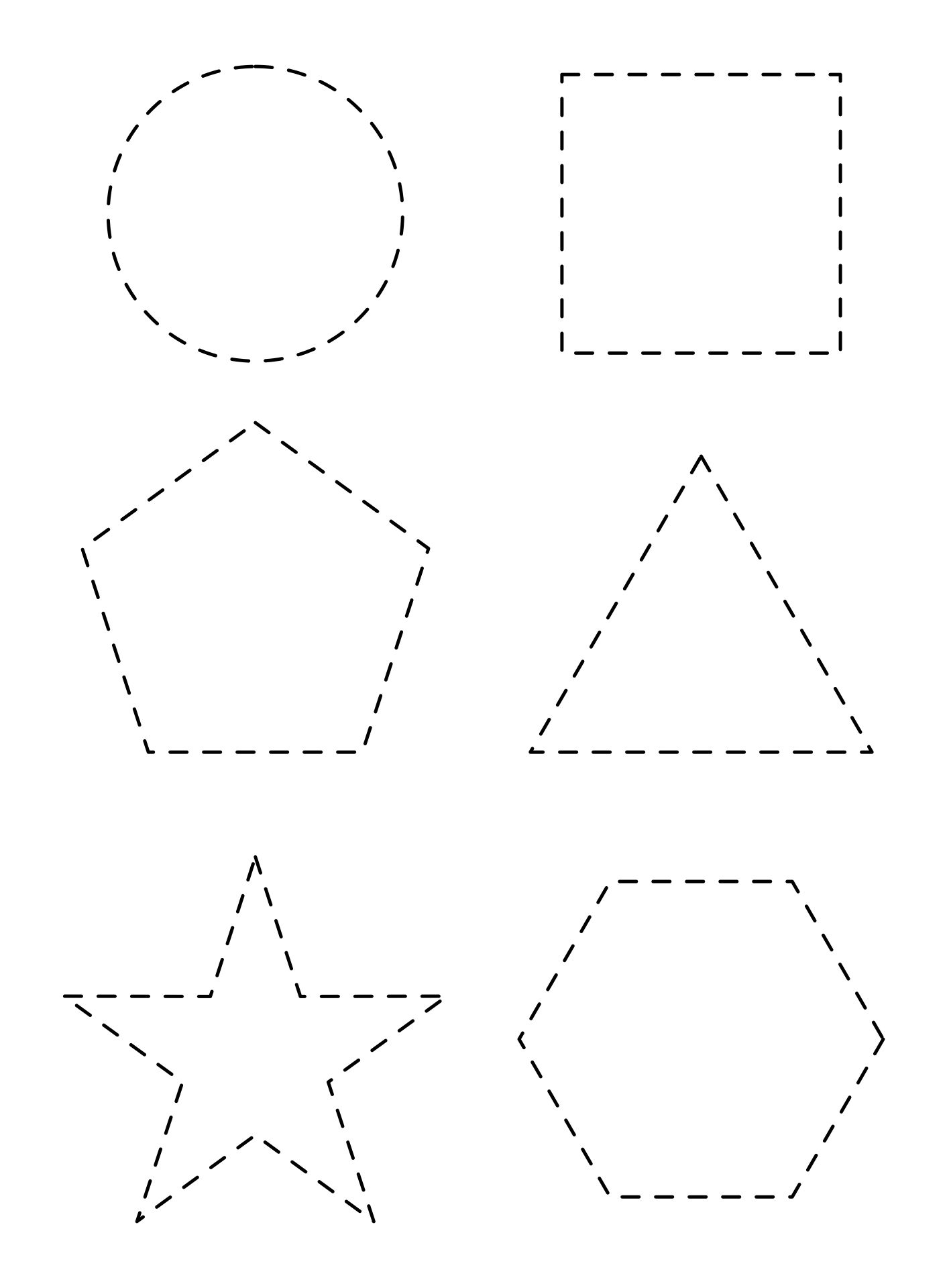
Diamond tracing focuses on the mastery of diagonal lines, acute angles, and symmetrical control. Unlike vertical or horizontal lines, which rely primarily on elbow and shoulder movements, drawing a diamond demands refined wrist rotation and precise finger adjustments. The worksheet presents dotted diamond outlines that guide the pencil tip from a top vertex down to the side corners, sweeping back inward to the bottom point. This specific movement pattern challenges the developing hand to change direction smoothly without losing contact with the page. Children transition from basic vertical strokes to multi-directional geometry, laying essential groundwork for mastering letters like ‘k’, ‘v’, ‘w’, and ‘x’ found across various Alphabet And Numbers Tracing resources. Scaffolded practice sheets ensure that learners experience success early and often, reducing hand fatigue and frustration during writing sessions.
Key Learning Outcomes
Young learners develop enhanced visual-motor integration by synchronizing eye movements with hand actions along sloping pathways. Muscle memory strengthens within the small intrinsic muscles of the hand, stabilizing the pencil for cleaner directional shifts. Crossing the midline occurs naturally as the writing hand moves fluidly from one side of the geometric shape to the other, fostering crucial communication between both brain hemispheres. Spatial awareness deepens as children navigate top, bottom, left, and right coordinates within a contained boundary. Finally, pencil pressure regulation improves organically, teaching the hand to maintain a steady, continuous stroke from vertex to vertex.
How to Use This Worksheet
Implementation requires a balance of environmental setup and observational patience. Begin by securing the paper to the desk using painter’s tape to prevent slipping, which often frustrates children who are still developing bilateral hand use. Invite the child to trace the outline with a finger first to experience the physical trajectory of the shape before introducing a writing utensil. Encourage a functional grasp, whether using a tripod hold or a transitional digital pronate grip, keeping in mind that hand strength builds gradually over time. If pencil fatigue sets in early, pause the activity and incorporate hand-strengthening games like squeezing clay or tearing paper. For further development of foundational strokes, pairing this activity with Shape and Line Tracing printables provides a comprehensive pre-writing routine.
Practical Tips for Parents and Teachers
Adults play a vital role in scaffolding these early geometry exercises without taking over the pencil. Model the starting point explicitly by placing a small green dot at the top vertex and a red dot at the bottom endpoint to reinforce directional concepts. Scaffold the experience by first offering hand-over-hand assistance for the initial two corners, then fading physical support to gentle verbal prompts as confidence grows. Extend the learning beyond the paper by asking children to find diamond shapes in the room, connecting abstract geometry to tangible environments. Keep practice sessions brief—around five to ten minutes—to protect developing hand stamina and maintain positive engagement with the writing process.
Age-Appropriate Recommendations
For toddlers and preschoolers aged two to four, align developmental expectations with the National Association for the Education of Young Children (NAEYC) Developmentally Appropriate Practice guidelines, focusing primarily on large crayons, finger-tracing, and gross motor arm movements that mimic diagonal paths in the air. At this stage, perfection matters far less than joyful exploration of lines and angles. For older children aged five to eight, expectations shift toward precise pencil control, staying strictly on the dotted lines, and independent stroke initiation. This older cohort benefits greatly from structured practice found within Fine Motor and Pre-Writing Skills collections, where diagonal precision directly supports complex letter formation and legible, uniform handwriting.
Visual-motor integration and fine motor control are among the strongest predictors of early academic and writing proficiency in young children. — American Occupational Therapy Association (AOTA)
Frequently Asked Questions
Navigating tracing tools and selecting appropriate exercises becomes much simpler with clear, direct answers to common questions about early childhood fine motor development.
Explore More Free Printable Tracing Worksheets
Supporting a child’s journey toward confident handwriting involves offering a wide variety of engaging, developmentally appropriate practice materials. Exploring different themes keeps motivation high and reinforces pencil control across diverse contexts. A comprehensive library of resources awaits at KidTraces.com, featuring specialized categories designed to nurture every stage of early writing development. Whether targeting letter recognition through Dotted Letters For Tracing or celebrating seasonal milestones via Seasonal and Fun Themes, every printable is crafted to make learning joyful, accessible, and effective.
Developmental Milestone & Activity Table
| Development Stage | Recommended Daily Duration | Primary Learning Objective |
|---|---|---|
| Preschool & Pre-K | 10 – 15 Minutes | Pencil grip development & basic pre-stroke lines |
| Kindergarten | 15 – 20 Minutes | Letter/number formation & spatial line awareness |
| Early Elementary (Grade 1–2) | 20 – 30 Minutes | Fluency, sentence construction & neatness |
Images References