Introduction
Many young children recognize letters long before their fine motor skills can physically form them on paper. According to the American Occupational Therapy Association, foundational fine motor tasks like manipulating drawing utensils require significant postural stability and intrinsic hand strength that develop progressively through targeted play and early writing exercises. Bridging this gap between cognitive readiness and physical execution requires gentle, structured pencil control practice that feels engaging rather than overwhelming. The house shape tracing printable offers a comforting, familiar visual theme that invites children to master foundational strokes without the pressure of traditional handwriting drills. It sounds simple, and that is precisely the point. By transforming basic geometric lines into the roof, walls, and door of a home, learners build the spatial awareness necessary for future letter formation while strengthening the small muscles in their hands and fingers.
💡 Educational Key Takeaways:
- Core Skill: Structured House Shape Tracing focused on developing pencil grip, stroke control, and early literacy/math confidence.
- Target Scope: Suited for homeschoolers, preschool, kindergarten, and elementary learners.
- Best Recommendation: Practice 10–15 minutes daily with ergonomic writing tools to reinforce muscle memory without hand fatigue.
What This Worksheet Covers
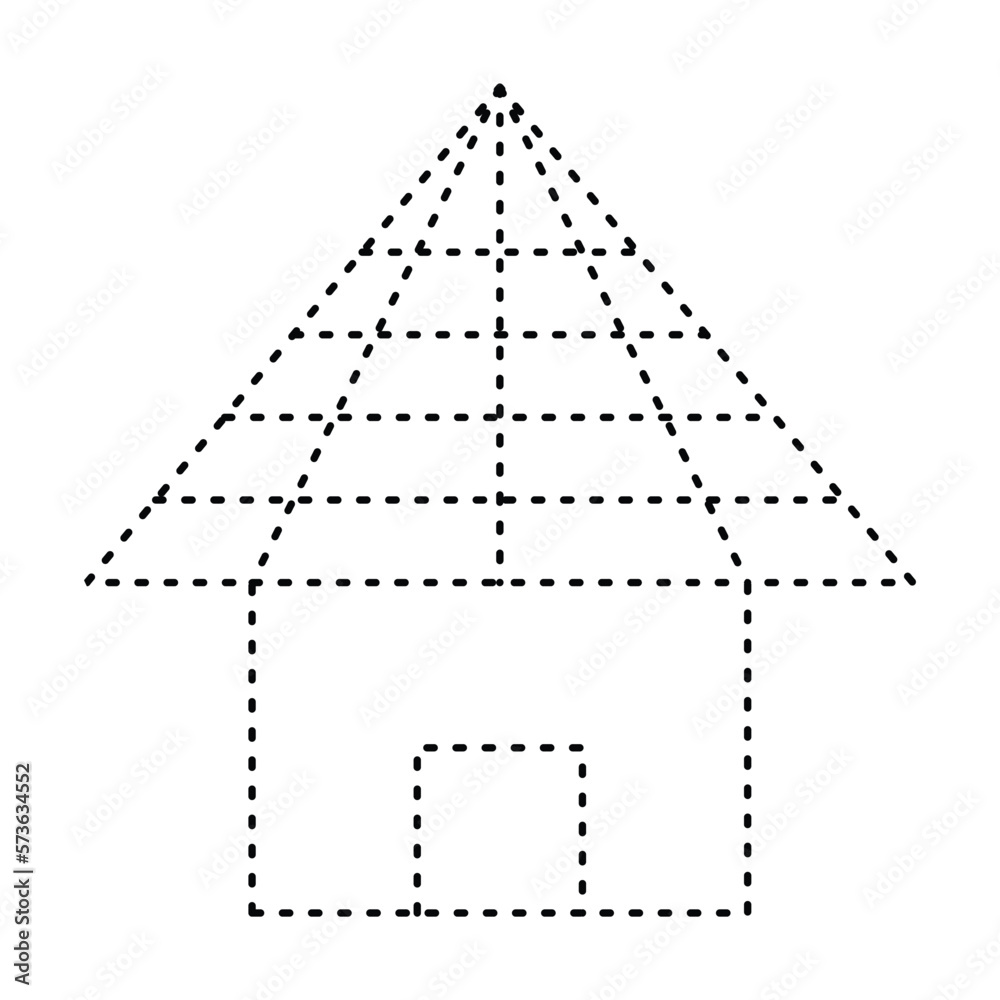
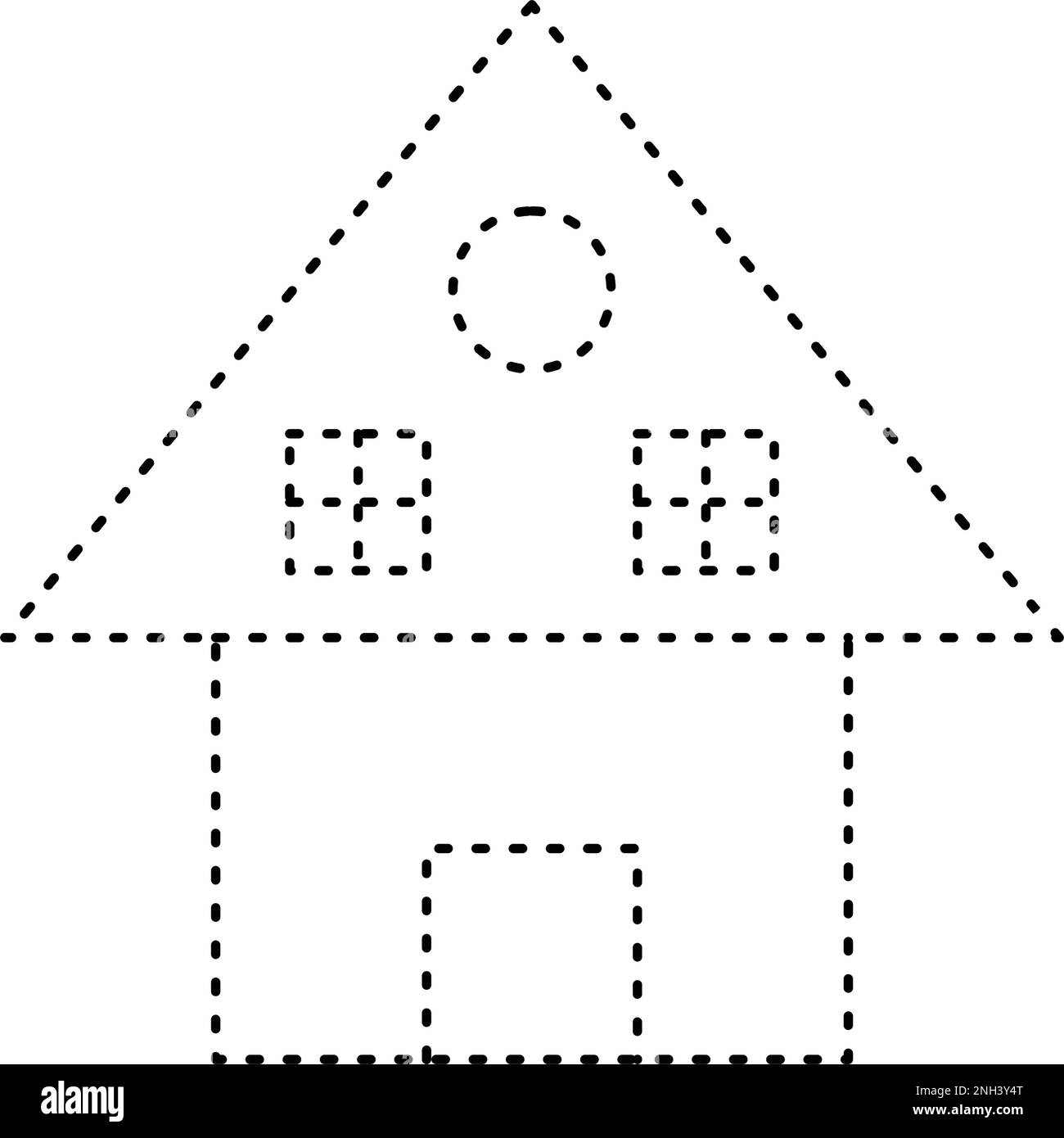
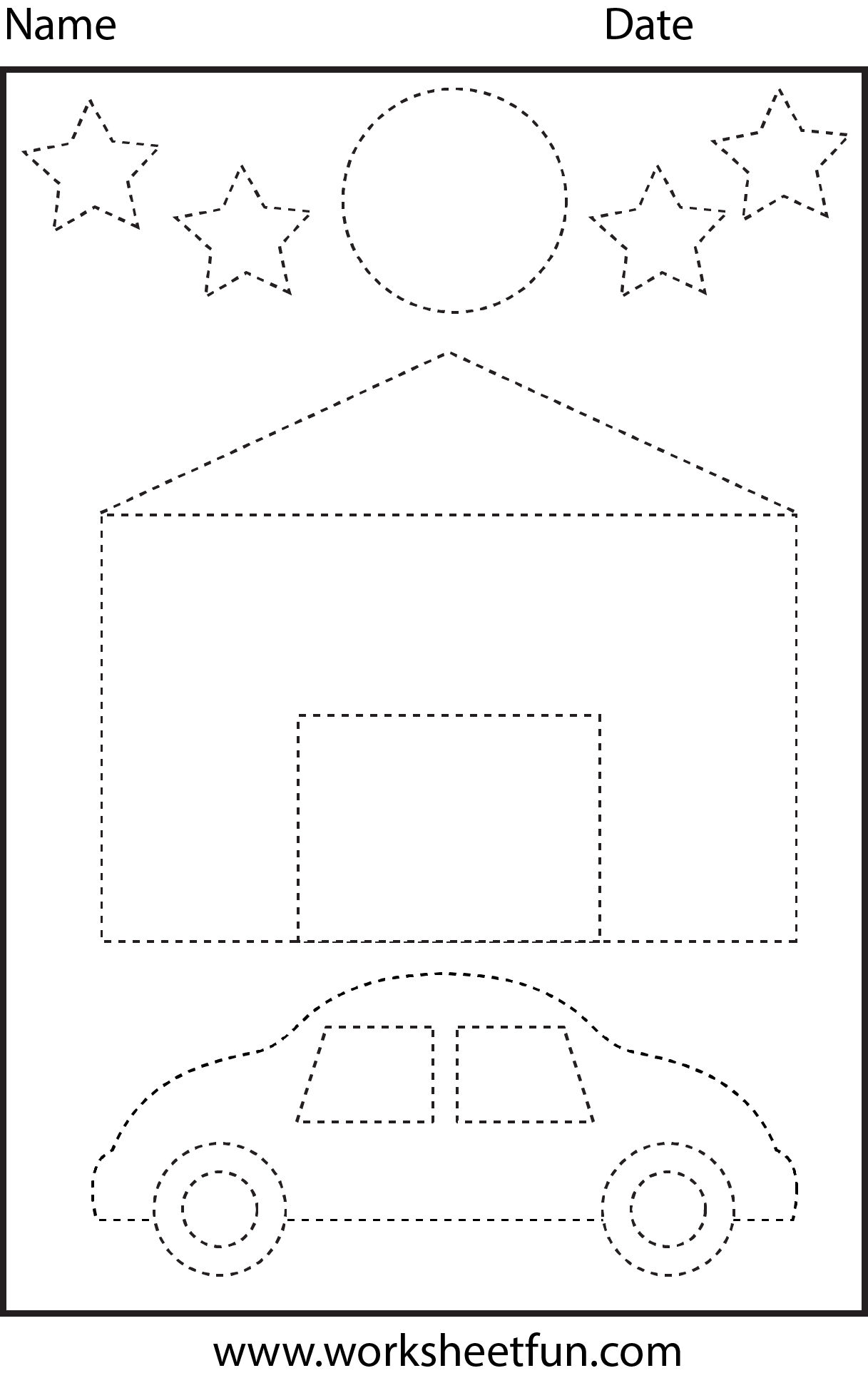
This resource focuses heavily on early shape and line mastery, serving as a vital stepping stone within the broader spectrum of Shape and Line Tracing activities. Children encounter a balanced combination of horizontal lines, vertical lines, and crisp diagonal angles that mimic the structural components of a house. These specific stroke combinations are chosen intentionally to prepare little hands for the complex curves and intersections found in alphabet letters and numerals. Instead of isolated line drills, the thematic house layout provides an intuitive sense of completion. Learners trace the slanted rooflines to practice diagonal control, move downward for vertical stability, and trace across the base for steady horizontal movement. Every single stroke on the page targets the core components of visual-motor integration.
Key Learning Outcomes
Working through this page promotes bilateral coordination as one hand stabilizes the paper while the dominant hand guides the writing utensil. Pencil control improves naturally as children learn to modulate pressure and maintain continuous contact along the dotted guidelines. Visual tracking skills sharpen as eyes follow the contours of the house from top to bottom and left to right, mirroring the directional flow required for reading. Furthermore, spatial awareness blossoms as young learners navigate corners, boundaries, and proportions within a contained geometric shape.
How to Use This Worksheet
Success with early writing tools relies heavily on setting up a supportive physical environment before the pencil ever touches the paper. Adults should ensure the seating arrangement promotes stability, meaning feet rest flat on the floor or a footrest, and the table sits at a comfortable elbow height. It helps to encourage an efficient grasp early on, but remember that a fist or transitional grip is entirely normal for younger toddlers exploring Fine Motor and Pre-Writing Skills for the first time. Inviting children to trace the lines with an index finger first can activate tactile memory and reduce hesitation before introducing crayons, markers, or pencils.
Practical Tips for Parents and Teachers
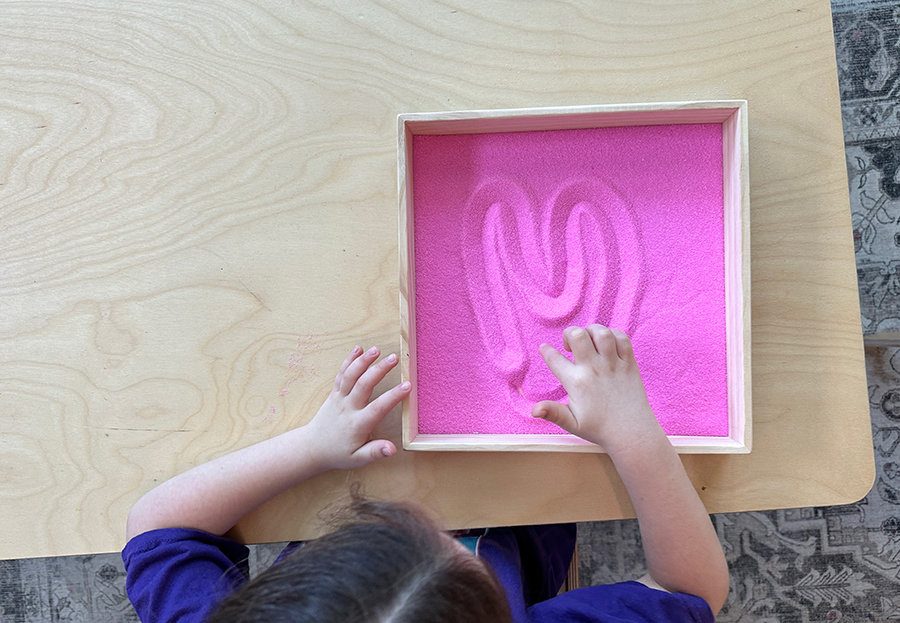
Scaffolding the experience makes a tremendous difference for learners who tire quickly or feel frustrated by fine motor tasks. Adults can model proper stroke direction by starting at the top of the roof and pulling downward, narrating the movement aloud to reinforce spatial vocabulary. For children needing extra sensory input, placing the printable over a textured surface or inside a clear dry-erase sleeve with a colorful marker adds tactile and visual feedback. If hand fatigue sets in, pausing for wall push-ups or hand-stretching games builds the necessary proximal arm strength needed to finish the task with confidence.
Age-Appropriate Recommendations
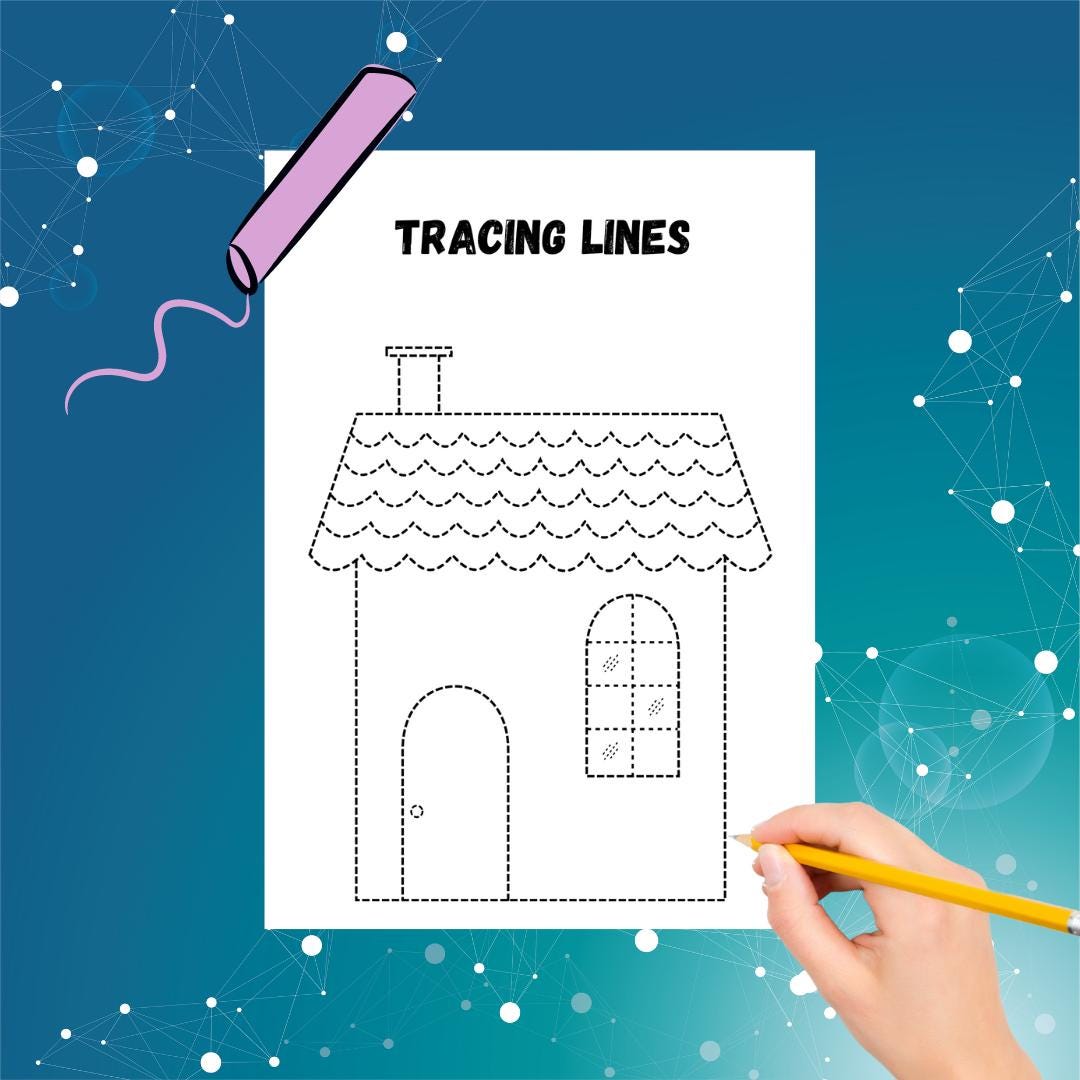
According to the National Association for the Education of Young Children guidelines on developmentally appropriate practice, children aged two to four benefit most from large, gross-motor-informed pre-writing activities and thicker writing utensils like chunky crayons or paintbrushes. At this stage, focusing on the house shape tracing printable is all about gross directional awareness and exploring cause and effect on paper. For children aged five to eight, the expectations shift toward precision, pencil control, and accurate stroke directionality aligned with school readiness standards. Older preschoolers and early elementary students should be encouraged to maintain a tripod grasp, minimize lifting the pencil at corners, and complete the intricate doors and windows with deliberate, controlled movements.
Foundational fine motor tasks like manipulating drawing utensils require significant postural stability and intrinsic hand strength that develop progressively. — American Occupational Therapy Association (AOTA)
Frequently Asked Questions
Common questions regarding this resource revolve around printing setup, developmental timing, and how these geometric exercises translate into future literacy achievements in the classroom or home environment.
Explore More Free Printable Tracing Worksheets
Extending this learning journey involves exploring a wide variety of thematic templates designed to support every stage of early childhood development. Adults and educators can find countless additional resources spanning seasonal motifs, early alphabet guides, and number formations by visiting the complete collection at KidTraces.com. Whether preparing a toddler for preschool or supporting a struggling writer, utilizing diverse materials like Tracing Worksheets keeps practice fresh, engaging, and deeply rewarding for every unique learner.
Developmental Milestone & Activity Table
| Development Stage | Recommended Daily Duration | Primary Learning Objective |
|---|---|---|
| Preschool & Pre-K | 10 – 15 Minutes | Pencil grip development & basic pre-stroke lines |
| Kindergarten | 15 – 20 Minutes | Letter/number formation & spatial line awareness |
| Early Elementary (Grade 1–2) | 20 – 30 Minutes | Fluency, sentence construction & neatness |
Images References