Introduction
Many toddlers recognize letters and symbols long before their developing hands possess the intrinsic strength required to form them cleanly on a page. According to the American Occupational Therapy Association, foundational fine motor control develops through consistent engagement with sensory-rich pre-writing experiences and purposeful manipulation of drawing tools. Introducing structured line tracing for 2 year olds bridges this gap by transforming abstract visual concepts into tangible hand movements. It sounds simple, and that is precisely the point. Children at this stage benefit immensely from low-pressure, playful tracing activities that build confidence without demanding rigid perfection. Early childhood classrooms and occupational therapy clinics rely on these foundational sheets to prepare little hands for the physical demands of future handwriting. Through engaging visual tracks, toddlers naturally discover how to coordinate hand-eye movements and stabilize their writing wrists.
💡 Educational Key Takeaways:
- Core Skill: Structured Line Tracing For 2 Year Olds focused on developing pencil grip, stroke control, and early literacy/math confidence.
- Target Scope: Suited for homeschoolers, preschool, kindergarten, and elementary learners.
- Best Recommendation: Practice 10–15 minutes daily with ergonomic writing tools to reinforce muscle memory without hand fatigue.
What This Worksheet Covers
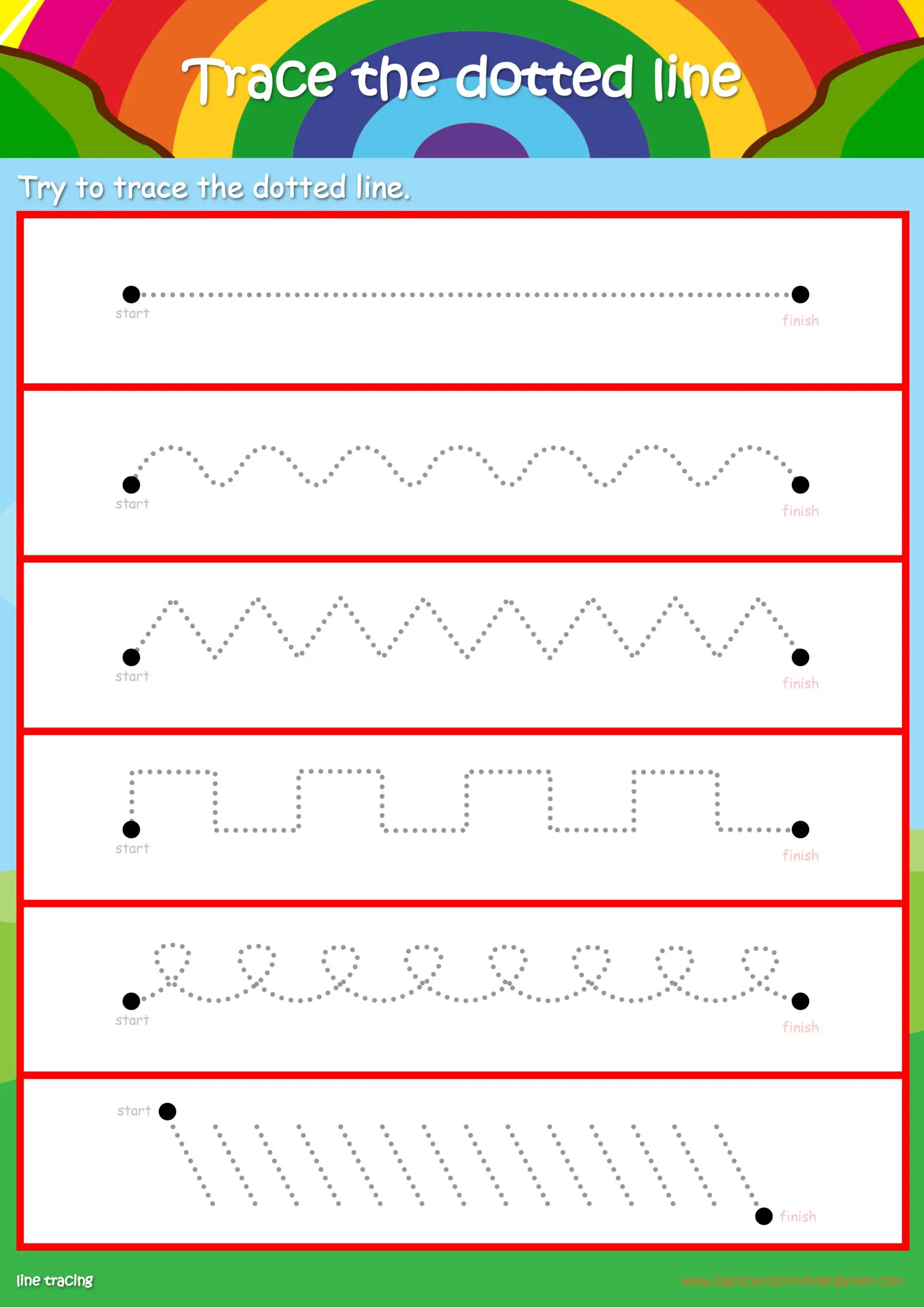
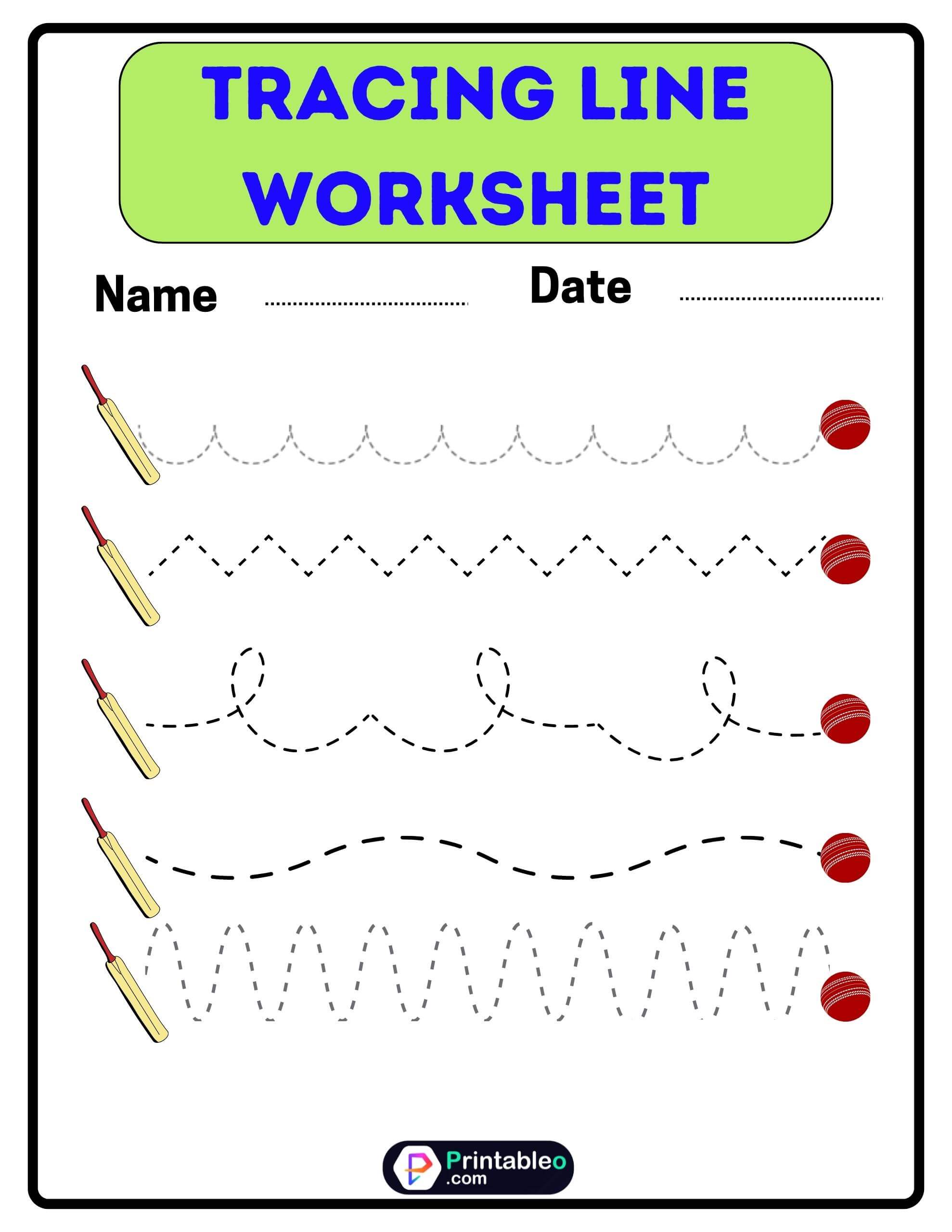
The primary focus centers on early pre-writing strokes, vertical and horizontal tracking, and fundamental pencil control designed specifically for toddler mechanics. Long before children tackle complex letters, they must master the basic lines that make up the alphabet. This resource provides wide, forgiving paths that accommodate the immature grasp patterns typical of a two-year-old child. Here is what makes this worksheet different: instead of demanding precise adherence to a narrow pixel line, the paths invite continuous fluid motion from left to right or top to bottom. Such spatial awareness lays the groundwork for reading and writing flow later in childhood. Furthermore, according to the National Association for the Education of Young Children, active exploration of mark-making materials supports cognitive mapping and executive function in toddlers. Educators often observe that children who engage in early shape and line tracing develop superior bilateral coordination when managing scissors, glue, and classroom tools.
Key Learning Outcomes
Young learners build essential hand strength and finger dexterity as they push and pull writing utensils across the page. Visual tracking improves significantly as eyes learn to scan ahead of the hand to anticipate turns and directional shifts. Children also internalize directional concepts such as top, bottom, left, and right through kinesthetic repetition. Additionally, successful completion of each track fosters persistence, focus, and a strong sense of personal accomplishment. These milestones collectively support the broader spectrum of Fine Motor and Pre-Writing Skills needed for academic success.
How to Use This Worksheet
Begin by presenting the sheet on a flat, stable surface at a comfortable height for the child, ensuring both feet rest flat to provide core stability. Invite the child to explore the lines using a finger, a thick crayon, or a washable marker before demanding any formal pencil grip. It is entirely normal for a two-year-old to grip markers with a whole-fist power grasp; forcing a mature tripod grasp too early can cause hand fatigue and frustration. Adults can gently guide the child’s hand through the first few strokes to model the expected direction and rhythm. To extend the activity, place the printable inside a transparent dry-erase sleeve so the child can trace the paths repeatedly without tearing the paper.
Practical Tips for Parents and Teachers
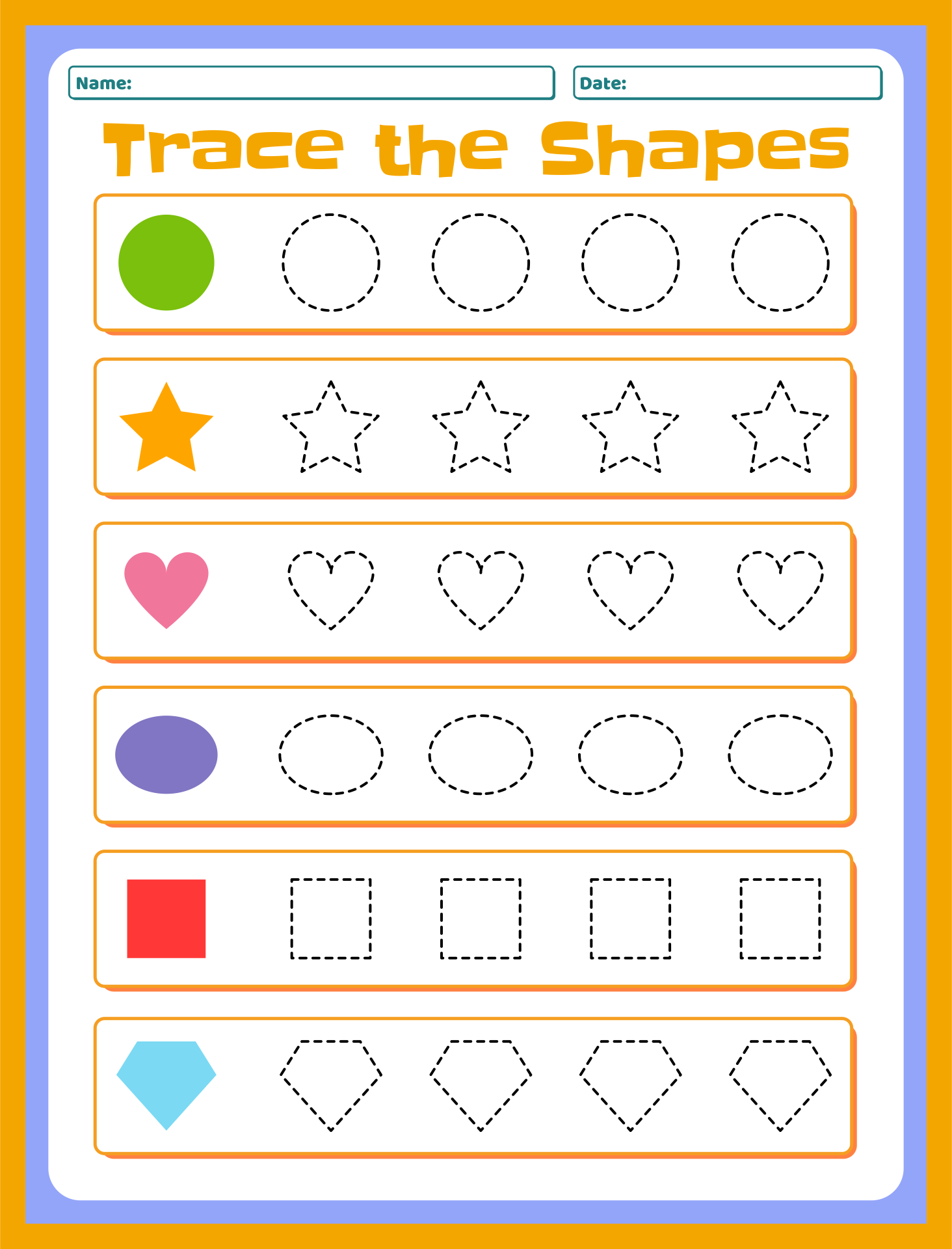
Scaffolding the experience involves starting with large, straight horizontal lines and gradually moving toward gentle curves and zigzag paths. Model the tracing motion slowly while narrating the action, such as driving a little car down a winding road. Keep practice sessions short, typically lasting five to ten minutes, to match the natural attention spans of toddlers. When a child loses interest, pause the activity rather than forcing completion, as positive associations with writing matter far more than finishing a single page. Exploring options from Shape and Line Tracing collections can provide fresh, engaging themes that maintain high interest levels during practice time.
Age-Appropriate Recommendations
For younger toddlers between ages two and three, developmental appropriateness aligns closely with the CDC milestones for fine motor skills, which emphasize spontaneous scribbling, vertical stroke imitation, and palmer grasp utilization. At this stage, adults should prioritize freedom of movement, sensory exploration, and gross motor integration over neatness. As children transition into preschool and kindergarten around ages four through six, expectations shift toward controlled stroke formation, letter permanence, and pencil stabilization, as outlined in the Common Core ELA standards for foundational literacy (CCSS.ELA-LITERACY.L.K.1.A). Introducing resources found within Dotted Letters For Tracing helps older preschoolers bridge the gap from simple lines to recognizable alphabet characters.
Foundational fine motor control develops through consistent engagement with sensory-rich pre-writing experiences and purposeful tool manipulation. — American Occupational Therapy Association
Frequently Asked Questions
Answers to common questions regarding implementation, downloading, and the developmental value of early tracing printables appear below to guide caregivers and educators effectively.
Explore More Free Printable Tracing Worksheets
Expanding a child’s writing readiness requires a diverse array of engaging, developmentally appropriate printables that grow alongside their changing abilities. Exploring additional categories such as Alphabet And Numbers Tracing offers seamless transitions as children master basic lines and begin forming letters and numerals. The complete library hosted at KidTraces.com provides endless opportunities to support early literacy, pencil control, and fine motor development at home or in the classroom. Get it free today to inspire a lifelong love of writing and learning.
Developmental Milestone & Activity Table
| Development Stage | Recommended Daily Duration | Primary Learning Objective |
|---|---|---|
| Preschool & Pre-K | 10 – 15 Minutes | Pencil grip development & basic pre-stroke lines |
| Kindergarten | 15 – 20 Minutes | Letter/number formation & spatial line awareness |
| Early Elementary (Grade 1–2) | 20 – 30 Minutes | Fluency, sentence construction & neatness |
Images References