Introduction
Many children recognize letters, shapes, and patterns long before their small hand muscles possess the endurance and dexterity required to form them on paper. This common gap between cognitive readiness and physical capability can cause immense frustration during early learning sessions. According to the American Occupational Therapy Association, foundational fine motor control and bilateral coordination are essential prerequisites for functional handwriting and classroom success. Bridging this developmental gap requires targeted activities that build hand strength without causing fatigue. The free printable tracing lines practice hard resource addresses this exact need by offering complex, engaging visual-motor challenges. It sounds simple, and that’s the point: structured repetition on appropriately graded line paths transforms clumsy pencil handling into fluid, confident movement.
💡 Educational Key Takeaways:
- Core Skill: Structured Tracing Lines Practice Hard focused on developing pencil grip, stroke control, and early literacy/math confidence.
- Target Scope: Suited for homeschoolers, preschool, kindergarten, and elementary learners.
- Best Recommendation: Practice 10–15 minutes daily with ergonomic writing tools to reinforce muscle memory without hand fatigue.
What This Worksheet Covers
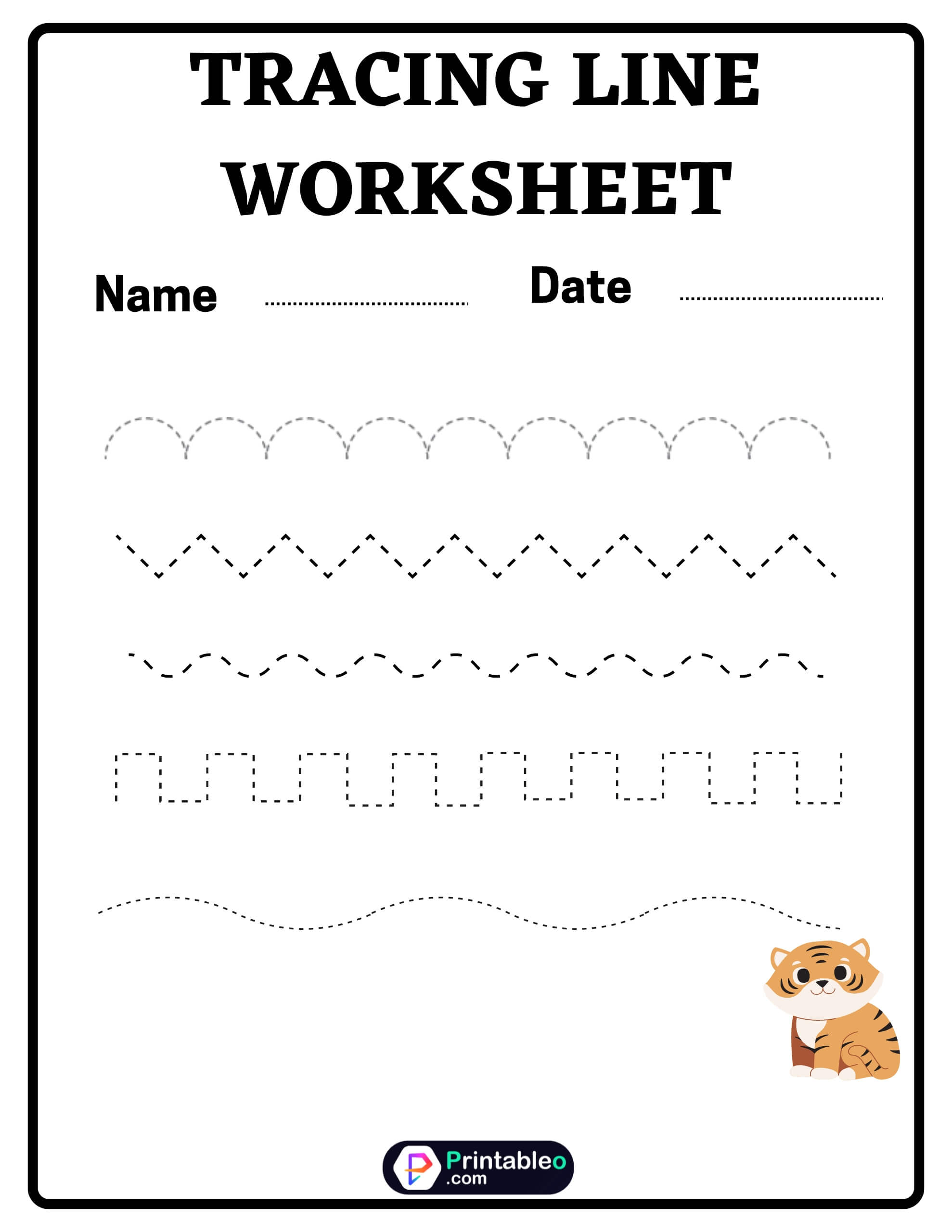
Complex visual-motor sheets focus heavily on advanced pre-writing strokes, including sharp zigzags, intricate loops, tight waves, and intersecting diagonals. Unlike basic horizontal or vertical tracks, these advanced paths demand sustained visual attention and continuous adjustments of wrist and finger positions. Many children recognize letters long before their fine motor skills can smoothly execute directional changes, which makes multi-directional path mastery a crucial stepping stone. This resource targets the intrinsic muscles of the hand, challenging little fingers to maintain a steady pencil grip while navigating sudden shifts in trajectory. The physical act of staying within narrow visual boundaries reinforces hand-eye coordination, spatial awareness, and visual-spatial perception simultaneously. Learners must regulate their writing speed, slowing down around sharp corners and speeding up slightly on gentle curves, thereby developing internal rhythm and motor planning abilities.
Key Learning Outcomes
Engaging with these rigorous tracing exercises yields measurable improvements in several critical developmental domains. First, children build superior pencil control, learning to apply steady, even pressure from the beginning of a stroke to the final endpoint. Second, the repetitive execution of complex directional changes strengthens the small muscles in the hand and stabilizes the wrist joint, reducing overall writing fatigue. Third, visual tracking improves dramatically as eyes learn to scan ahead of the pencil tip to anticipate upcoming curves and corners. Finally, completing challenging multi-step patterns fosters persistence, frustration tolerance, and a deep sense of academic self-efficacy as children conquer intricate obstacles.
How to Use This Worksheet
Successful implementation relies on establishing an optimal physical setup before the pencil ever touches the page. Chairs and tables must match the child’s height so that feet rest flat on the floor and elbows bend at a comfortable ninety-degree angle. It sounds simple, and that’s the point: stable core posture directly impacts fine motor output by freeing up the fingers and wrist from compensating for postural instability. Adults should encourage a functional grasp, such as a tripod or quadripod grip, while remaining flexible if children naturally progress toward efficient personal variations. Begin practice sessions with short, focused intervals of five to ten minutes to prevent hand cramping and maintain high levels of engagement. For related foundational practice, exploring resources focused on Shape and Line Tracing provides wonderful preparatory steps.
Practical Tips for Parents and Teachers
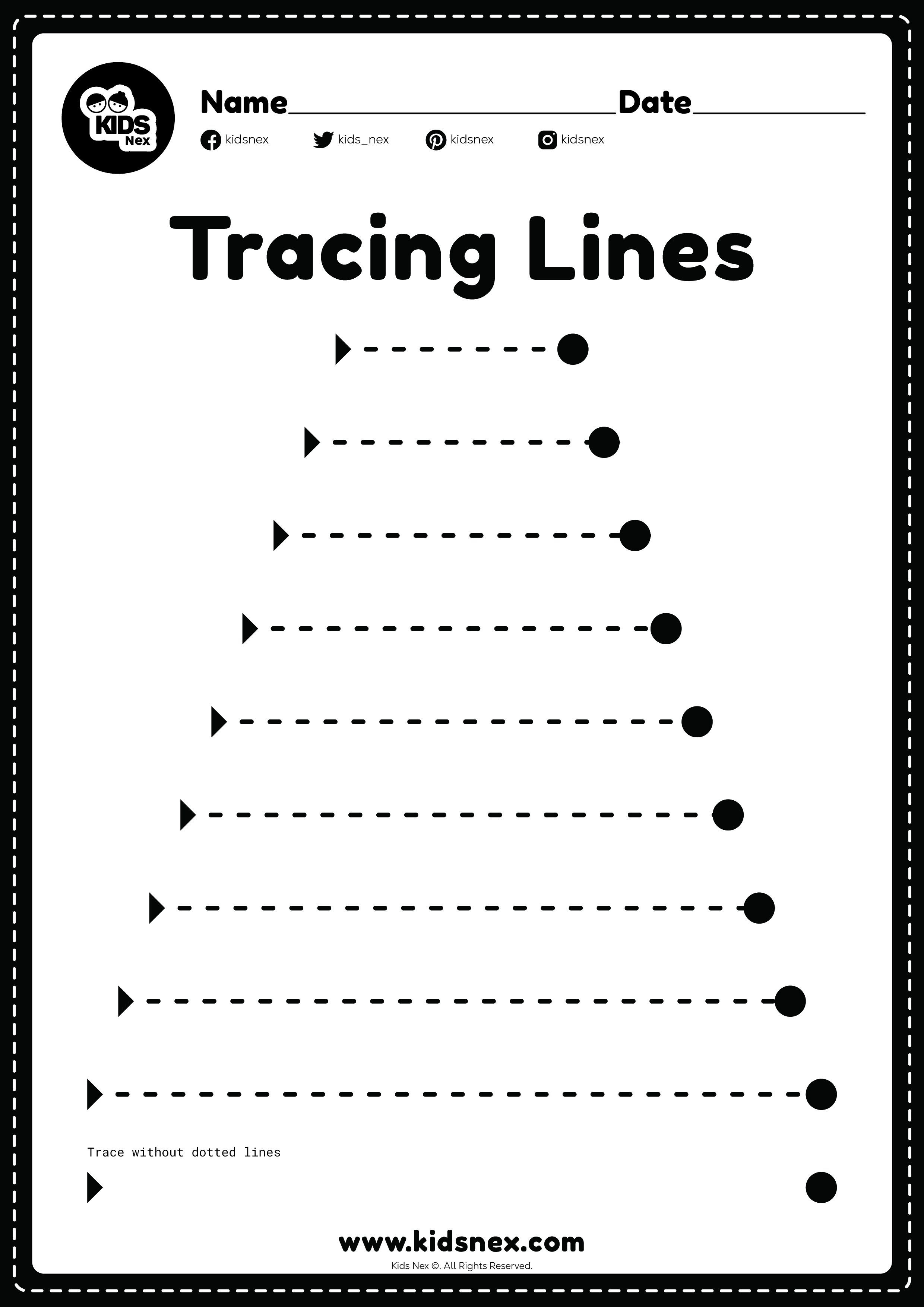
Scaffolding makes all the difference when introducing advanced pre-writing challenges to developing learners. Adults can model correct stroke initiation points by physically pointing to the starting marker and verbalizing the directional movement, such as going up, down, around, and through. For children who struggle with pencil pressure, placing tactile materials underneath the paper or using thicker, softer writing utensils can provide helpful sensory feedback. Extending the activity is easy: invite children to trace the complex lines using toy cars, fingerpaint, or cotton swabs dipped in water before touching a traditional pencil. When learners encounter particularly tricky sections, gentle hand-over-hand guidance helps them feel the correct rhythm and muscle movement without taking over the task entirely. Transitioning to broader pre-writing concepts becomes seamless when incorporating exercises found within the Fine Motor and Pre-Writing Skills collection.
Age-Appropriate Recommendations
Developmental expectations must match the specific capabilities of different age groups to keep learning positive and stress-free. According to the National Association for the Education of Young Children guidelines for developmentally appropriate practice, children aged two to four benefit most from large-scale motor movements, gross vertical surfaces, and simple sensory tracing before moving to paper-based tasks. By ages five through eight, aligned with foundational academic expectations, children refine their pencil grip, master precise directional strokes, and develop the stamina needed for sustained writing activities. Older preschoolers and early elementary students can successfully tackle intricate line variations that demand fine visual-motor integration. For ongoing practice across these vital developmental stages, educators and families often utilize the comprehensive library available through Tracing Worksheets.
Foundational fine motor control and bilateral coordination are essential prerequisites for functional handwriting and classroom success. — American Occupational Therapy Association
Frequently Asked Questions
Clear answers to common questions help caregivers maximize the benefits of daily fine motor practice sessions.
Explore More Free Printable Tracing Worksheets
Supporting early literacy and pencil control is a wonderful journey filled with discovery, patience, and growth. When children have access to engaging, well-designed practice materials, building hand strength feels more like play than hard work. Exploring the complete collection available at KidTraces.com offers endless opportunities to nurture confidence, dexterity, and a lifelong love of learning.
Developmental Milestone & Activity Table
| Development Stage | Recommended Daily Duration | Primary Learning Objective |
|---|---|---|
| Preschool & Pre-K | 10 – 15 Minutes | Pencil grip development & basic pre-stroke lines |
| Kindergarten | 15 – 20 Minutes | Letter/number formation & spatial line awareness |
| Early Elementary (Grade 1–2) | 20 – 30 Minutes | Fluency, sentence construction & neatness |
Images References