Introduction
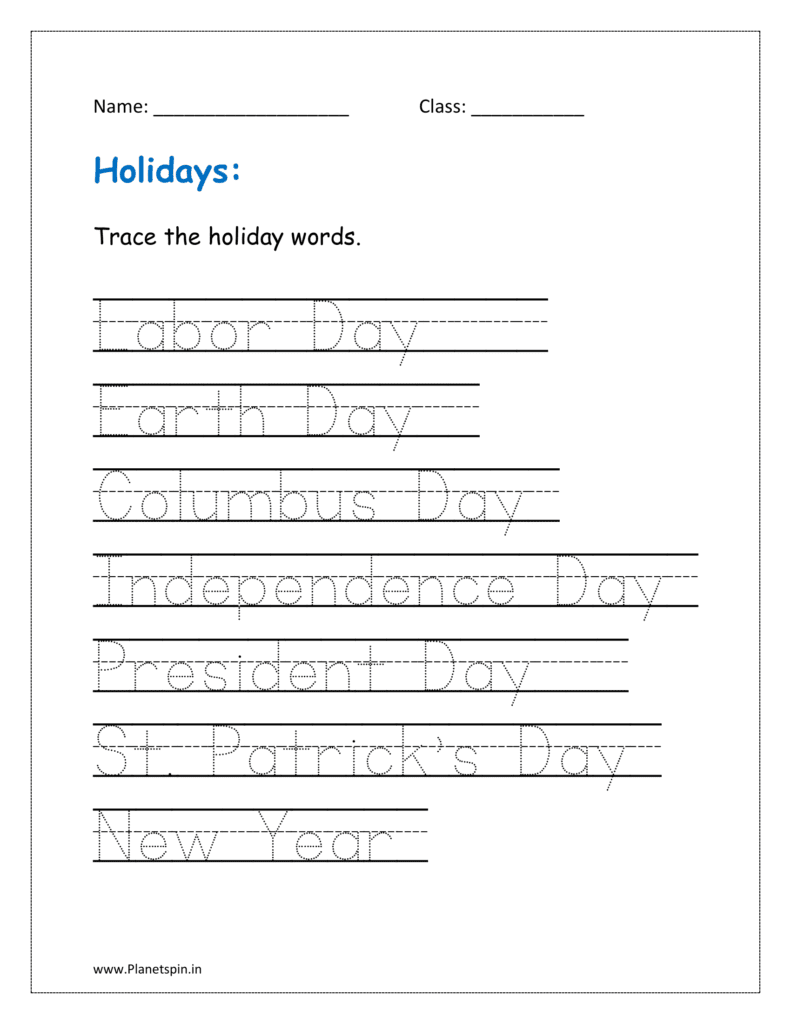
Many children recognize letters, words, and festive symbols long before their hand muscles and neurological pathways are fully prepared to form them on paper. According to the American Occupational Therapy Association, fine motor control is foundational for academic success and classroom participation, requiring intricate coordination between small hand muscles and visual processing. Children often harbor a deep desire to write complex holiday greetings independently, yet their physical endurance falls short of their enthusiasm. Bridging that gap requires thoughtful tools that engage interest without causing hand fatigue. The free printable tracing the word holiday worksheet offers a purposeful bridge between cognitive recognition and physical execution. It sounds simple, and that’s the point. By focusing on a single, meaningful word tied to celebrations, learners channel their excitement into structured pencil control. Exploring broader concepts becomes much easier when foundational resources like the Seasonal and Fun Themes collection provide familiar context.
💡 Educational Key Takeaways:
- Core Skill: Structured Tracing The Word Holiday Worksheet focused on developing pencil grip, stroke control, and early literacy/math confidence.
- Target Scope: Suited for homeschoolers, preschool, kindergarten, and elementary learners.
- Best Recommendation: Practice 10–15 minutes daily with ergonomic writing tools to reinforce muscle memory without hand fatigue.
What This Worksheet Covers
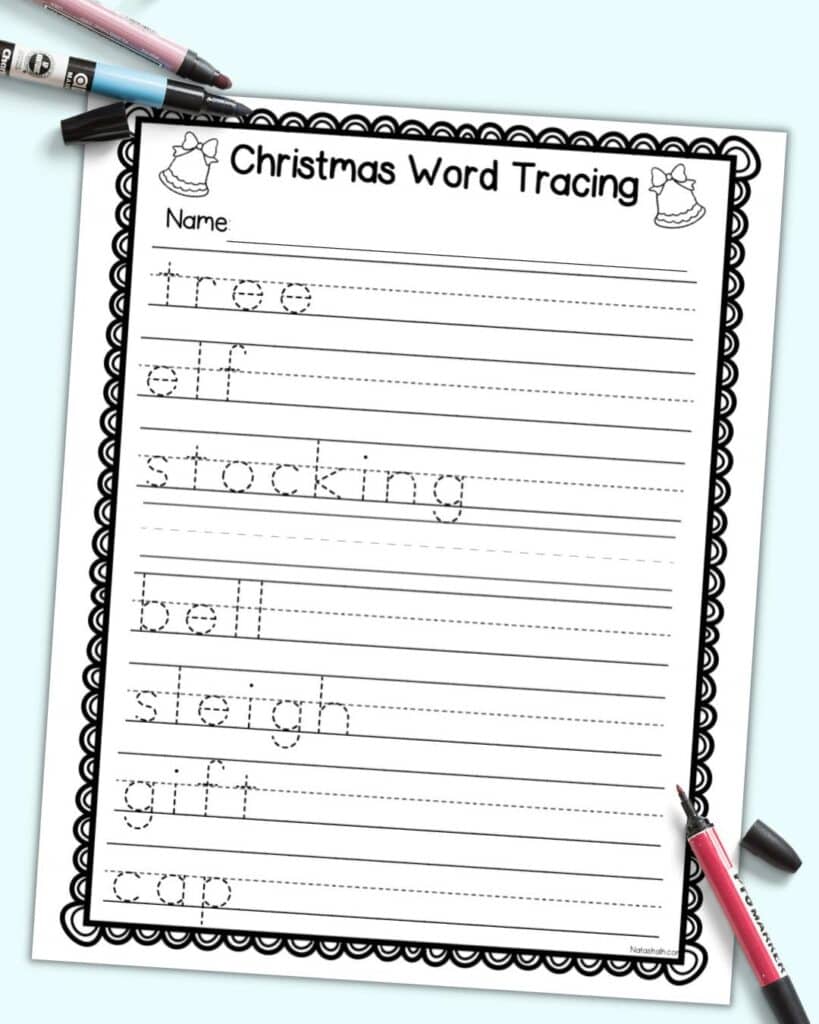
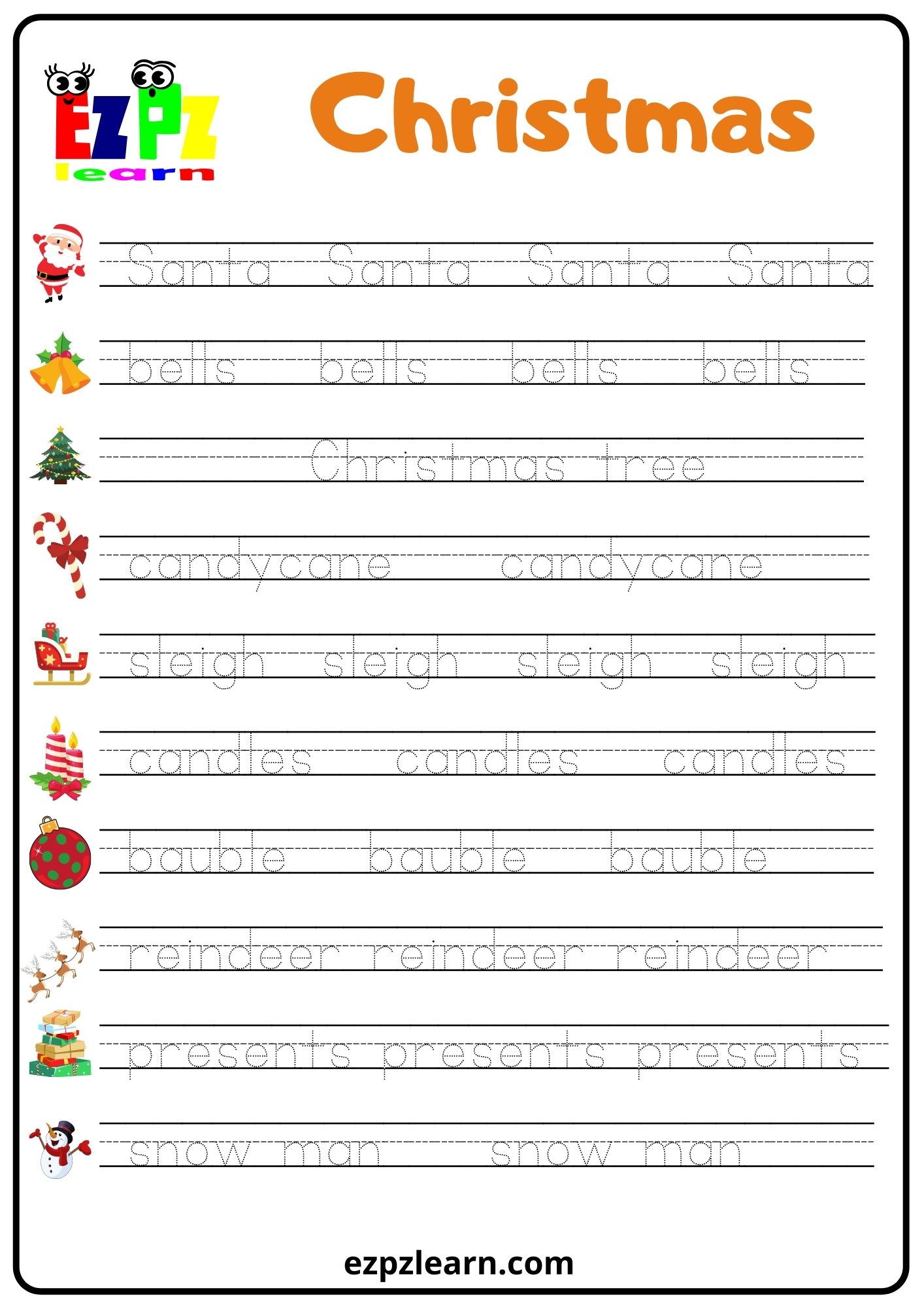
This specific printable targets the mechanics of spelling, spacing, and motor planning necessary for legible writing. Letter sequencing and word-level tracking demand a different level of sustained attention than isolated character practice. Learners must manage transitions between letters, maintaining appropriate proportional sizing while keeping the pencil moving smoothly across the page. The design incorporates visual anchors that cue the start of each stroke, helping children understand directionality and spatial awareness from left to right. When practicing repetitive strokes within a thematic framework, learners build the muscle memory required for fluid handwriting later on. It is fascinating to observe a child slow down, focus intently, and carefully guide a writing utensil through each dotted segment. This deliberate pacing helps correct common reversal habits before they become deeply ingrained muscle memories.
Key Learning Outcomes
Working through these holiday-themed pages promotes several critical developmental milestones simultaneously. First, children strengthen letter sequencing by understanding how individual characters combine to form a recognizable whole. Second, spatial awareness improves as writers navigate the spaces between letters rather than crowding them together. Third, sustained visual-motor integration gets a workout as the hand follows the visual path of the word from start to finish. According to Reading Rockets, early print awareness and letter knowledge serve as robust predictors of future reading comprehension and writing fluency. Finally, the seasonal context builds emotional engagement, keeping young learners motivated through repetition that might otherwise feel tedious or overly academic.
How to Use This Worksheet
Success with pre-writing sheets depends heavily on the environment and the physical approach taken during practice. Adults should introduce the sheet during calm periods when hands are rested and ready for purposeful work. Positioning the paper at a slight angle matching the natural slant of the child’s forearm encourages a more ergonomic posture. Providing a short, thick writing instrument, such as a broken-down crayon or a short golf pencil, naturally encourages a functional tripod grasp without requiring frustrating corrections. It is always wise to stop before frustration sets in, as short, positive sessions yield much better neurological retention than prolonged, fatiguing drills.
Practical Tips for Parents and Teachers
Adult guidance can transform a standard tracing session into an engaging multisensory experience. Begin by having the child trace the word with an index finger in the air or directly over the paper before introducing a pencil. Scaffolding the activity by light-penciling a starting dot or drawing a tiny green stop sign at the beginning of the word helps guide independent execution. Extending the activity involves asking the learner to read the word aloud once finished, or to use it in an oral sentence about their favorite celebration. When children need extra practice with specific character formations, pairing this activity with resources found in Word and Name Tracing can reinforce structural consistency. Celebrating small victories, such as a single letter formed with smooth continuous lines, builds the confidence necessary to tackle longer writing tasks.
Age-Appropriate Recommendations
Younger children in the preschool bracket, typically ages two through four, benefit most from exploring the general layout and gaining familiarity with gross-to-fine motor transitions, aligning closely with the National Association for the Education of Young Children Developmentally Appropriate Practice guidelines. For this age group, focus less on absolute perfection and more on the willingness to engage with the writing instrument. Kindergarten and early elementary students, ages five through eight, can refine their skills by focusing on precise stroke order, proper line adherence, and consistent letter sizing. As children grow, their hand architecture matures, allowing for lighter pressure and greater finger dexterity. For learners who require foundational work on simpler linear movements before tackling full words, browsing the Shape and Line Tracing category provides excellent preparatory exercises.
According to the American Occupational Therapy Association, fine motor skill development in early childhood is directly linked to academic performance, self-help capabilities, and long-term functional independence. — AOTA Practice Framework
Frequently Asked Questions
Explore More Free Printable Tracing Worksheets
Building a robust toolkit for early writing doesn’t have to be complicated or expensive. Discover an extensive variety of practice pages designed to support every stage of development across the entire library at KidTraces.com. Whether focusing on individual characters or complex compositions, having access to reliable resources makes all the difference in a child’s educational journey. Explore additional categories like Fine Motor and Pre-Writing Skills to ensure every learner builds the strong foundation they deserve. Print today, keep sessions joyful, and watch those fine motor skills flourish.
Developmental Milestone & Activity Table
| Development Stage | Recommended Daily Duration | Primary Learning Objective |
|---|---|---|
| Preschool & Pre-K | 10 – 15 Minutes | Pencil grip development & basic pre-stroke lines |
| Kindergarten | 15 – 20 Minutes | Letter/number formation & spatial line awareness |
| Early Elementary (Grade 1–2) | 20 – 30 Minutes | Fluency, sentence construction & neatness |
Images References