Introduction
Every day in early childhood classrooms and occupational therapy clinics, young learners point eagerly to letters and words long before their developing hands possess the muscle endurance required to form them on paper. According to the American Occupational Therapist Association, engaging children in purposeful fine motor activities supports the foundational strength necessary for future academic success. Transforming pencil control practice into an outer space adventure captures that natural curiosity effortlessly. The free printable planets tracing activity bridges the gap between imaginative play and essential pre-writing mechanics, offering a structured yet playful pathway to pencil mastery. Explore more in our Seasonal and Fun Themes collection.
💡 Educational Key Takeaways:
- Core Skill: Structured Planets Tracing focused on developing pencil grip, stroke control, and early literacy/math confidence.
- Target Scope: Suited for homeschoolers, preschool, kindergarten, and elementary learners.
- Best Recommendation: Practice 10–15 minutes daily with ergonomic writing tools to reinforce muscle memory without hand fatigue.
What This Worksheet Covers
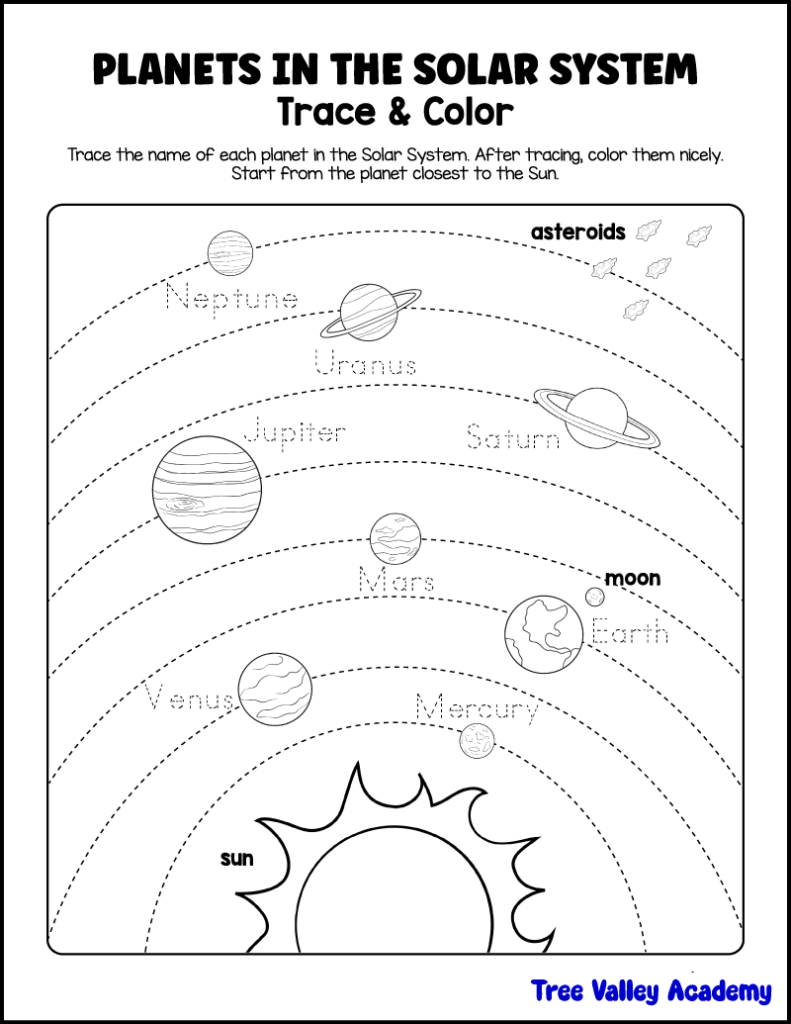
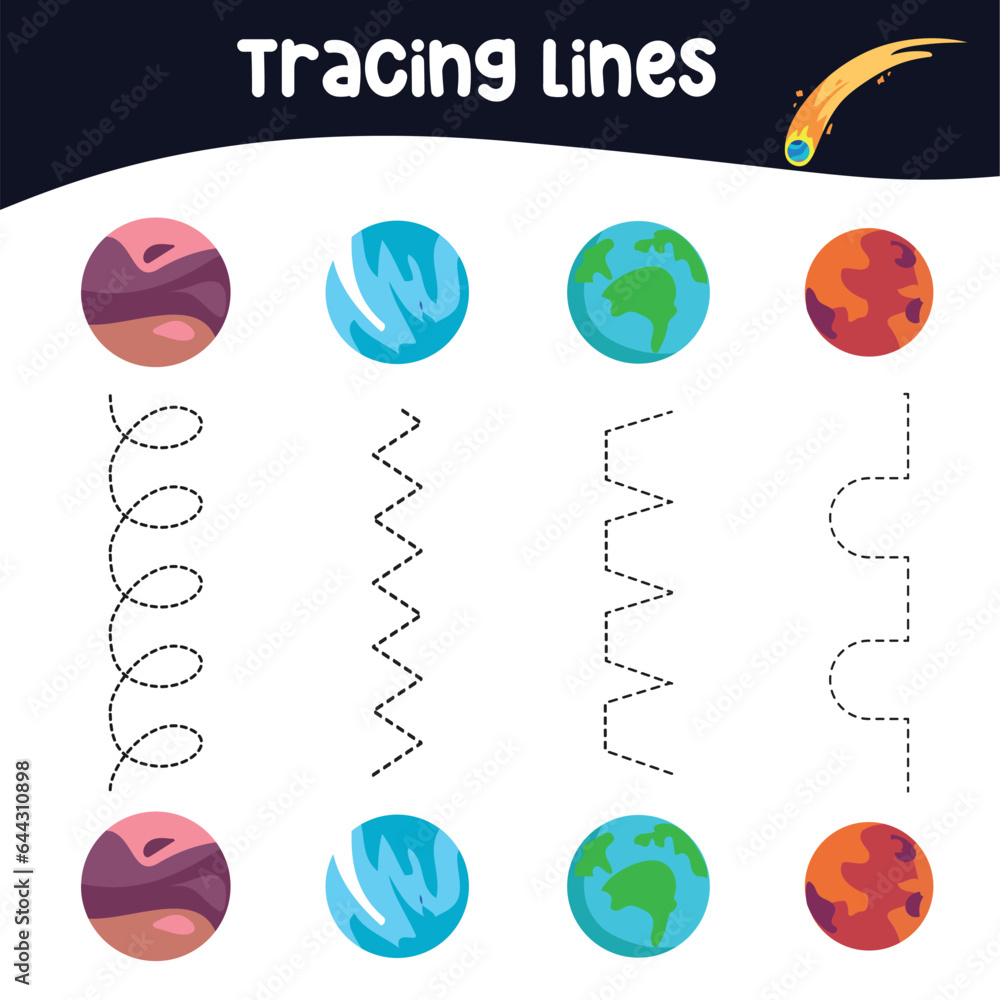
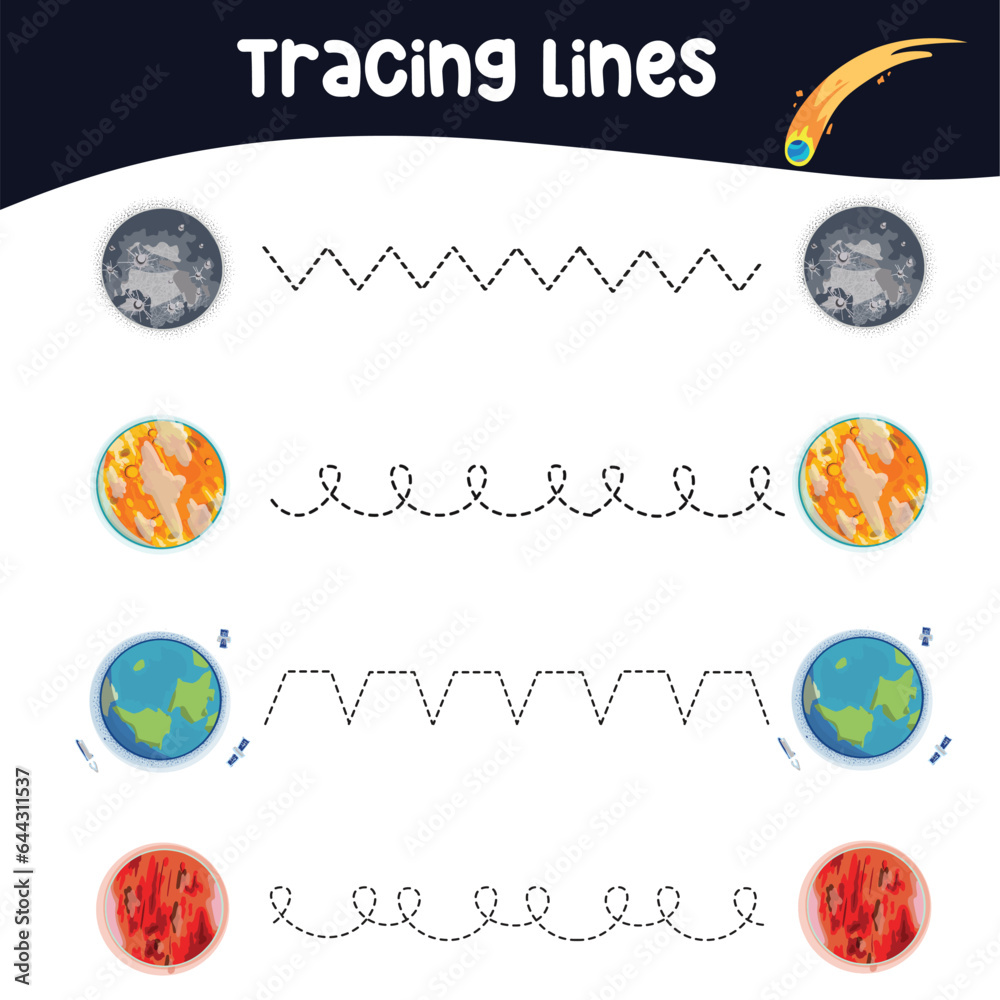
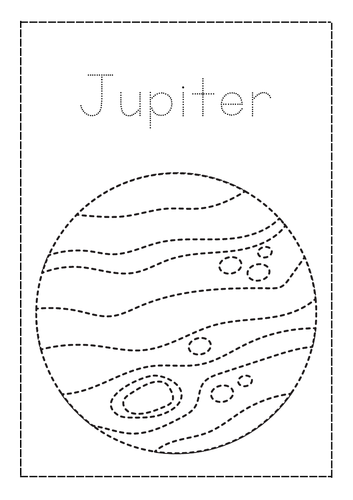
Outer space themes provide a brilliant visual hook, turning standard handwriting drills into missions across the solar system. This specific resource focuses on seasonal and fun themes to maximize motivation and engagement while children navigate orbital lines, dotted star paths, and planetary vocabulary words. It sounds simple, and that’s the point. By stripping away intimidating blank pages and replacing them with thematic pathways, learners focus entirely on fluid hand movements without experiencing writing fatigue. Children trace curved orbits around gas giants, zigzag through asteroid belts, and complete looped trajectories that mirror the exact pre-writing strokes required for formal letter formation later on. For more related activities, check out our Tracing Worksheets Dragons.
Key Learning Outcomes
Working through these celestial pathways builds vital neural and muscular connections that translate directly to daily classroom tasks. Learners cultivate crucial visual-motor integration skills by coordinating eye movements with hand actions to stay on the designated paths. Hand strength and finger dexterity improve naturally as little fingers sustain a functional tripod or modified grasp to navigate varied stroke directions. Furthermore, spatial awareness expands as learners track lines from left to right, up to down, and in circular motions. This mastery of curves and straight lines serves as the direct precursor to successful letter and numeral execution found within comprehensive alphabet and numbers tracing curricula.
How to Use This Worksheet
Implementation requires a balance of supportive supervision and independent exploration to yield the best developmental outcomes. Begin by presenting the printable on a flat, stable surface at an appropriate height, ensuring the feet rest flat on the floor to promote core stability. Encourage children to trace the celestial lines using various mediums, starting with thick crayons for tactile feedback before advancing to standard pencils. It is helpful to treat each planetary route as a spaceship journey, prompting the learner to steer carefully around craters and through the cosmic pathways without lifting the writing utensil prematurely.
Practical Tips for Parents and Teachers
Adults play a pivotal role in shaping healthy motor habits during these formative writing exercises. Model proper pencil grip explicitly, ensuring the thumb and index finger form a soft pinch while the pencil rests comfortably against the middle finger. Scaffold the experience by gently guiding a learner’s hand through the first few loops if resistance or confusion arises around directional flow. To extend the activity for older or more advanced children, challenge them to invent a descriptive story about each planet while keeping the pencil moving continuously along the track. Conversely, scale back expectations for younger toddlers by focusing purely on finger-pointing along the lines before introducing crayons, keeping the experience stress-free and entirely enjoyable.
Age-Appropriate Recommendations
Developmental readiness dictates how children interact with pre-writing materials across early childhood. According to the National Association for the Education of Young Children (NAEYC) guidelines for developmentally appropriate practice, children ages two through four benefit most from large, sweeping line and curve control that builds shoulder and elbow stability. For this younger cohort, printing the sheets larger or placing them inside heavy-duty dry-erase sleeves allows for gross motor engagement using thick markers. Children ages five through eight operate within a refined phase of fine motor control, where the focus shifts toward precise pencil grip, controlled letter sequencing, and exact stroke order found in structured shape and line tracing progressions.
Purposeful fine motor activities build the hand strength and dexterity required for academic tasks — American Occupational Therapy Association
Frequently Asked Questions
Finding clear answers regarding early handwriting development helps adults guide children with confidence. The frequently asked questions below address common inquiries about downloading resources, motor skill progression, and developmental milestones.
Early writing development relies heavily on visual-motor integration and sustained attention — Centers for Disease Control and Prevention
Explore More Free Printable Tracing Worksheets
Expanding a child’s collection of learning materials keeps practice fresh, engaging, and developmentally appropriate across all stages. Exploring targeted categories helps learners master specific foundational competencies at their own pace without feeling rushed or overwhelmed. Beyond celestial adventures, educators and caregivers can discover a wealth of complementary resources by visiting the complete library of materials available directly at KidTraces.com. Whether focusing on foundational pencil control found within Shape and Line Tracing or expanding vocabulary mechanics through Word and Name Tracing, every printable is designed to make skill-building an enjoyable daily habit.
Developmental Milestone & Activity Table
| Development Stage | Recommended Daily Duration | Primary Learning Objective |
|---|---|---|
| Preschool & Pre-K | 10 – 15 Minutes | Pencil grip development & basic pre-stroke lines |
| Kindergarten | 15 – 20 Minutes | Letter/number formation & spatial line awareness |
| Early Elementary (Grade 1–2) | 20 – 30 Minutes | Fluency, sentence construction & neatness |
Images References