Introduction
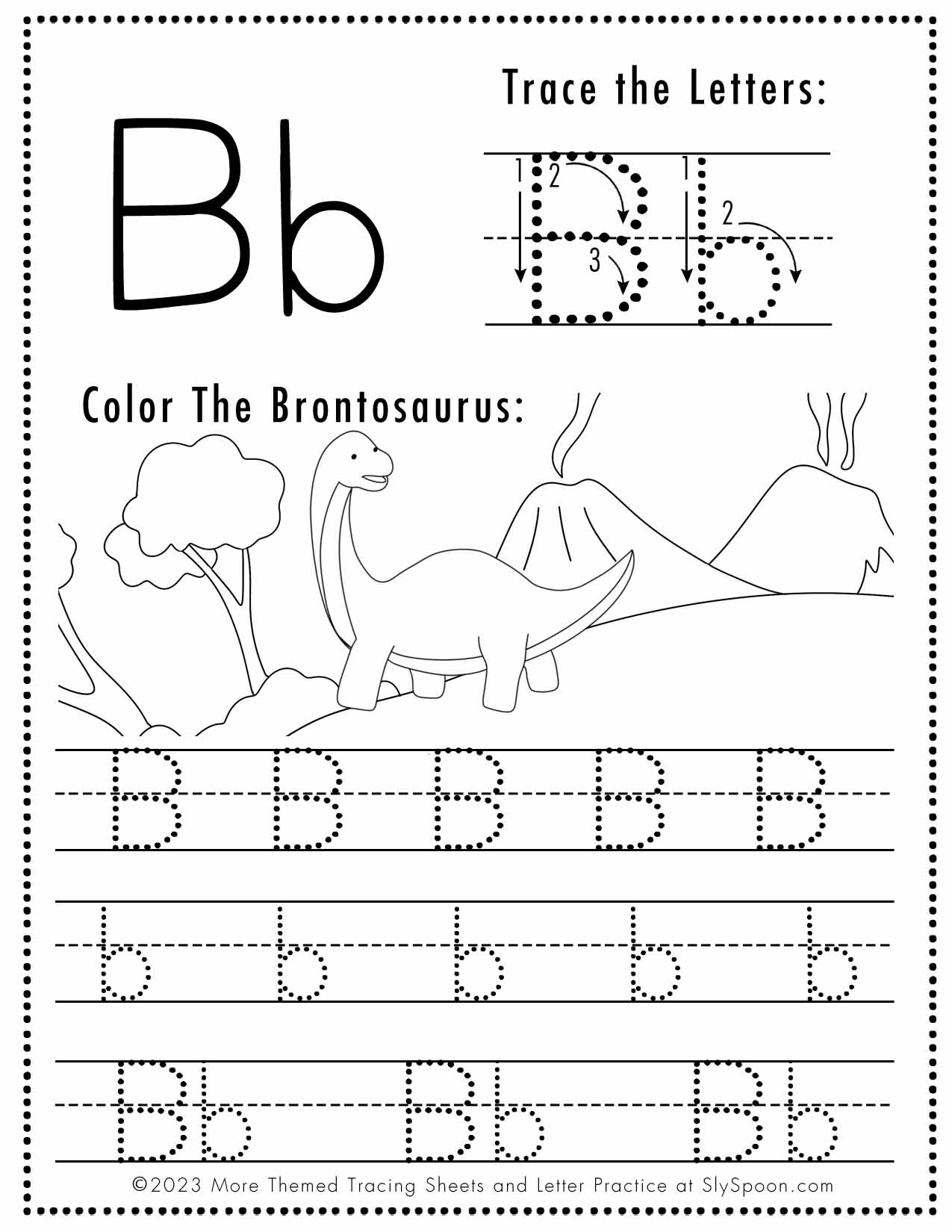
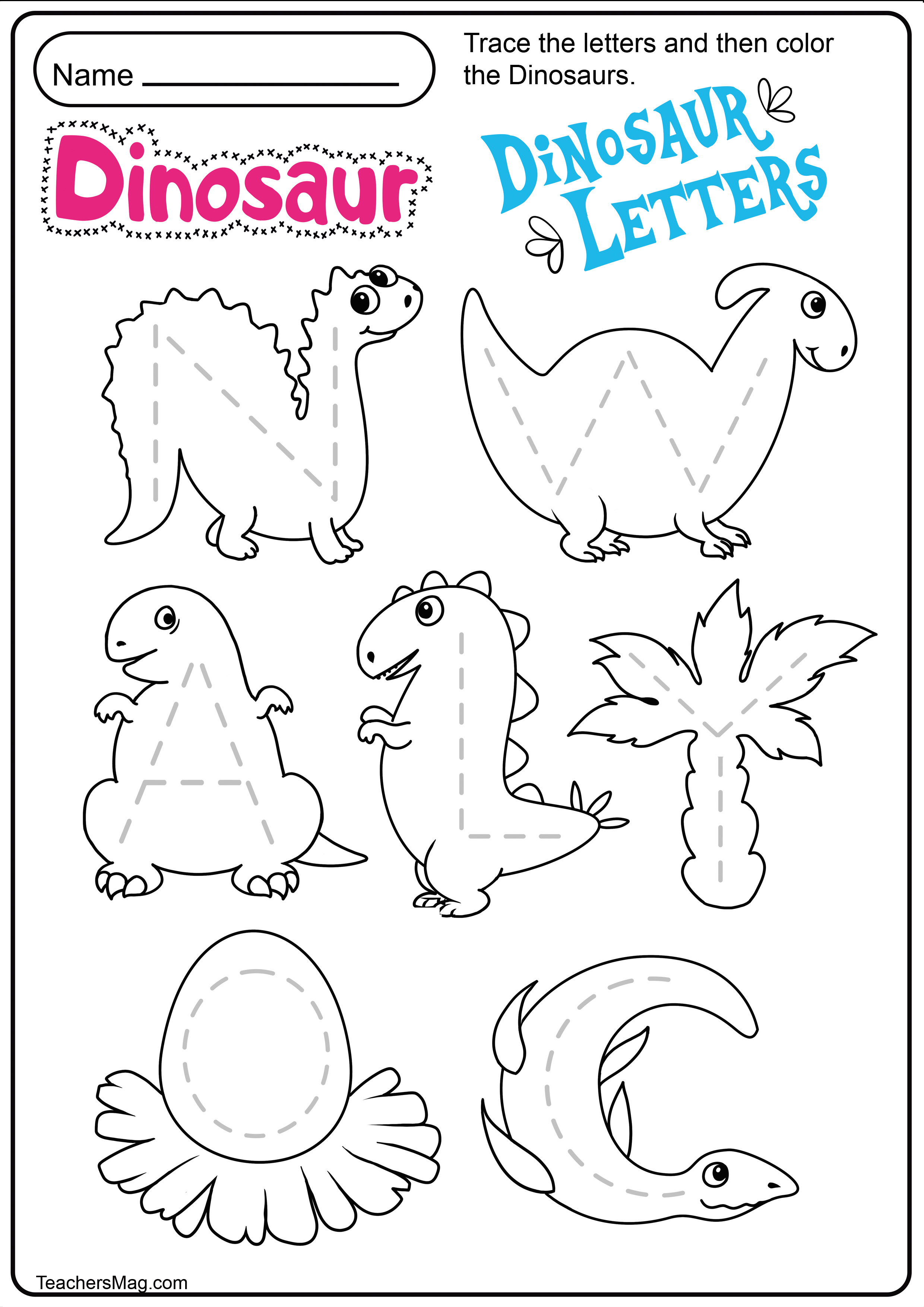
Many children recognize letters, name shapes, and tell intricate stories long before their hands possess the intrinsic muscle strength required to form a legible letter on paper. According to the National Association for the Education of Young Children, early writing development relies heavily on meaningful, play-based interactions rather than rigid, early drill-and-practice methods. It sounds simple, and that is the point. When eager learners encounter the alphabet abc dinosaur worksheets tracing, prehistoric creatures bridge the gap between cognitive letter awareness and physical execution. Engagement spikes instantly because children love dinosaurs, turning what might otherwise feel like tedious handwriting practice into an exciting archaeological dig across the page. This targeted printable merges foundational literacy with intrinsic motivation, making pencil control an adventure instead of a chore.
💡 Educational Key Takeaways:
- Core Skill: Structured Alphabet Abc Dinosaur Worksheets Tracing focused on developing pencil grip, stroke control, and early literacy/math confidence.
- Target Scope: Suited for homeschoolers, preschool, kindergarten, and elementary learners.
- Best Recommendation: Practice 10–15 minutes daily with ergonomic writing tools to reinforce muscle memory without hand fatigue.
What This Worksheet Covers
Letter and numeral formation require an intricate sequence of cognitive planning, visual-spatial processing, and physical motor control. The alphabet abc dinosaur worksheets tracing guide young writers through proper stroke order using engaging, dinosaur-themed cues that clearly mark starting points and directional paths. Children trace capital and lowercase letters alongside colossal beasts, learning where each stroke begins and ends without getting lost in a sea of plain black lines. Dotted letters provide the scaffolding necessary for guided formation, teaching little hands the rhythm of curves, diagonals, and vertical lines. As children trace, they simultaneously reinforce letter-sound correspondence and phonics awareness while refining the exact muscle movements needed for future independent writing.
Key Learning Outcomes
Working through these dinosaur-themed pages builds several distinct developmental domains simultaneously. First, children master consistent stroke order and directionality, which prevents the formation of frustrating and inefficient writing habits later in elementary school. Second, the repetitive motion of tracing encourages the development of a functional tripod or quadrupod pencil grasp by stabilizing the hand and forearm during fine motor execution. Third, learners strengthen bilateral coordination as one hand holds the paper steady while the dominant hand maneuvers the writing tool. Finally, visual-motor integration improves significantly as young minds learn to translate what the eyes see on the page into precise, controlled hand movements that stay safely on the dotted path.
How to Use This Worksheet
Setting the stage for successful handwriting requires paying close attention to posture, lighting, and workspace ergonomics before the pencil ever touches the paper. Feet should rest flat on the floor or a stable footrest, and the chair must allow the hips, knees, and ankles to bend at comfortable ninety-degree angles. Instead of handing over a standard graphite pencil immediately, try letting children trace the paths with colorful markers, scented crayons, or even their index fingers first to build tactile familiarity. Encourage them to talk about the dinosaurs as they trace, connecting the letter sound to the prehistoric animal to reinforce multisensory learning pathways in the brain. Keep practice sessions short, positive, and focused on effort rather than absolute perfection.
Practical Tips for Parents and Teachers
Adults play a crucial role in scaffolding this process by modeling correct grip and stroke direction before inviting children to try independently. According to the American Occupational Therapy Association, utilizing vertical surfaces like easels or taped-up sheets can naturally promote wrist extension, which is a vital component of a mature and efficient pencil grasp. If a child shows signs of hand fatigue, such as shaking fingers or a white-knuckle grip, pause immediately and incorporate heavy work activities like wall pushes or bear crawls to wake up the upper extremities. Celebrate small victories, such as successfully staying on the dotted line for a single letter, to maintain high self-efficacy. When learners need a broader variety of pencil control practice, exploring resources like Shape and Line Tracing provides an excellent stepping stone for younger toddlers.
Age-Appropriate Recommendations
Aligning handwriting expectations with developmental milestones ensures that children remain confident and eager to learn rather than frustrated by unrealistic demands. For toddlers and preschoolers ages two through four, the focus under the NAEYC Developmentally Appropriate Practice framework should center on large pre-writing strokes, vertical and horizontal lines, and gross motor engagement. These youngest learners benefit greatly from exploring Fine Motor and Pre-Writing Skills activities that build finger strength before tackling complex letter forms. Kindergarteners and early elementary students ages five through eight transition toward formal letter formation, spacing, and alignment. For these older children, incorporating Dotted Letters For Tracing helps refine precision and build the automaticity required for fluent, legible daily writing.
Handwriting proficiency in early elementary years strongly correlates with overall academic output, as automatic letter formation frees up crucial working memory for complex composition and creative expression. — National Center for Learning Disabilities
Frequently Asked Questions
Have questions about implementing these printable dinosaur tracing sheets at home or in the classroom? Review the answers below for quick guidance on printing, developmental benefits, and expert recommendations.
Explore More Free Printable Tracing Worksheets
Supporting a young writer’s journey involves offering a wide variety of engaging, developmentally appropriate practice materials that keep curiosity alive. Beyond prehistoric adventures, children benefit from practicing across diverse categories that target everything from early number recognition to seasonal themes. Discover a comprehensive collection of resources to support handwriting growth, letter mastery, and fine motor control by visiting the main library at KidTraces.com to find tools like Alphabet And Numbers Tracing and Seasonal and Fun Themes.
Developmental Milestone & Activity Table
| Development Stage | Recommended Daily Duration | Primary Learning Objective |
|---|---|---|
| Preschool & Pre-K | 10 – 15 Minutes | Pencil grip development & basic pre-stroke lines |
| Kindergarten | 15 – 20 Minutes | Letter/number formation & spatial line awareness |
| Early Elementary (Grade 1–2) | 20 – 30 Minutes | Fluency, sentence construction & neatness |
Images References