Introduction
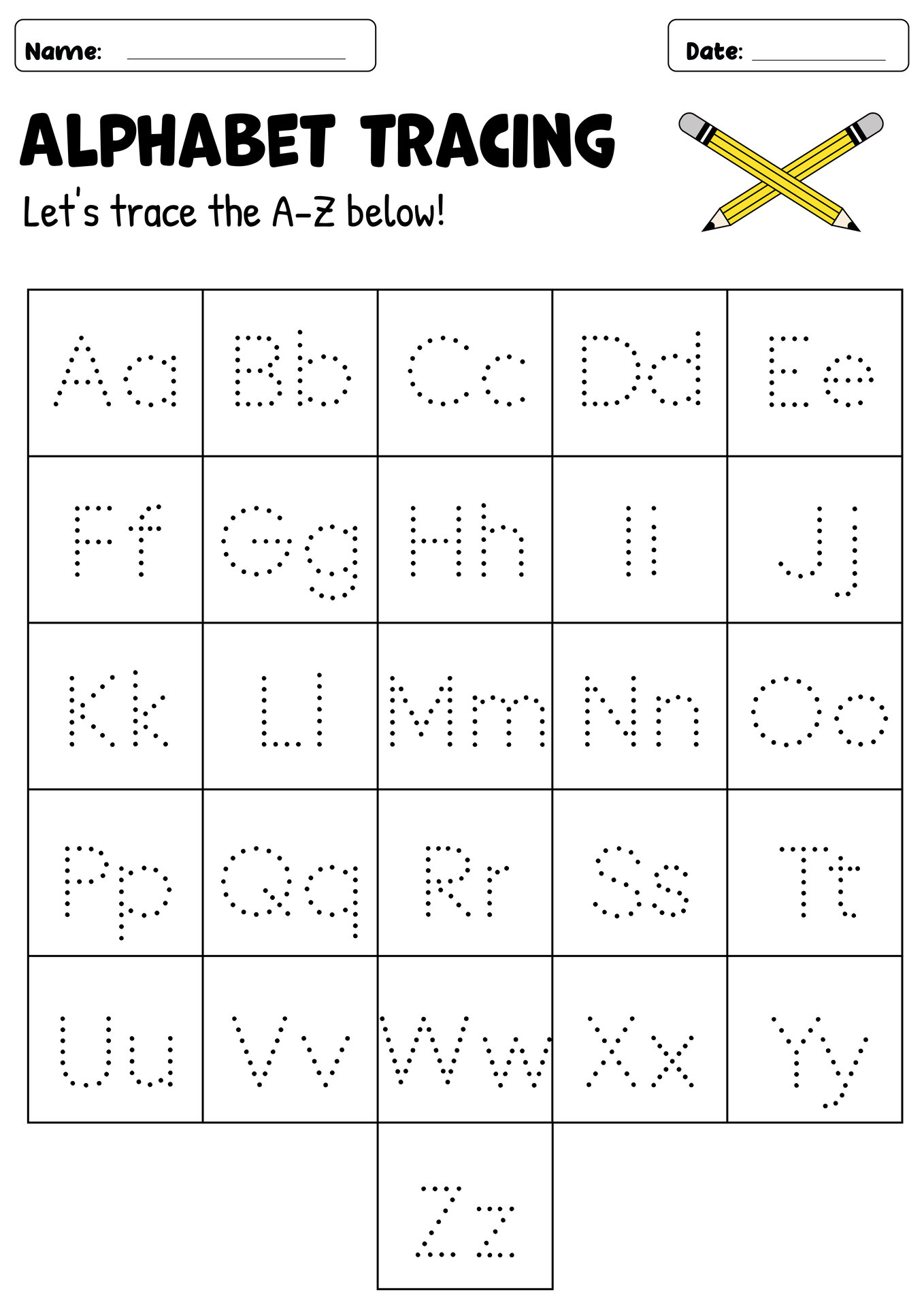
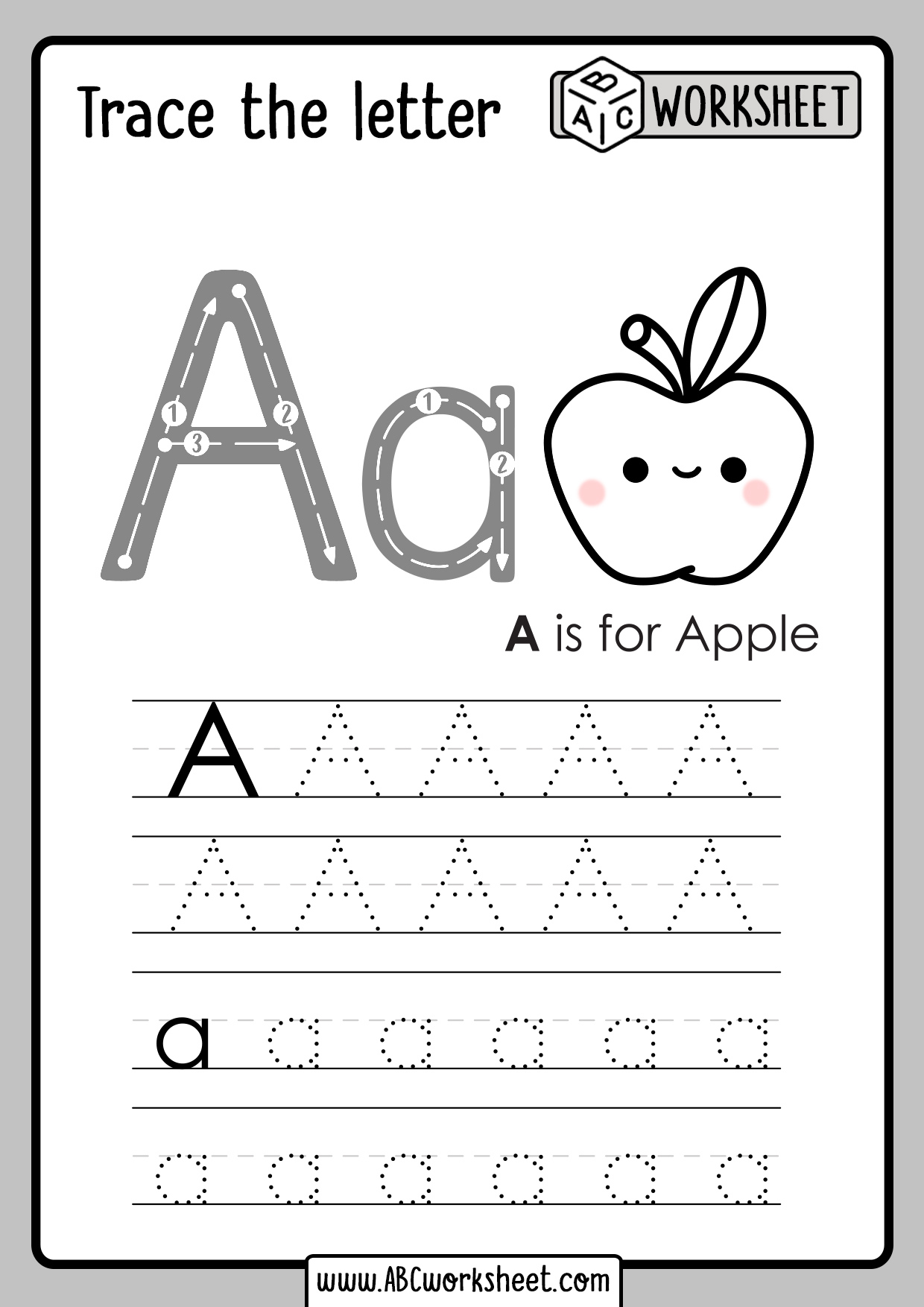
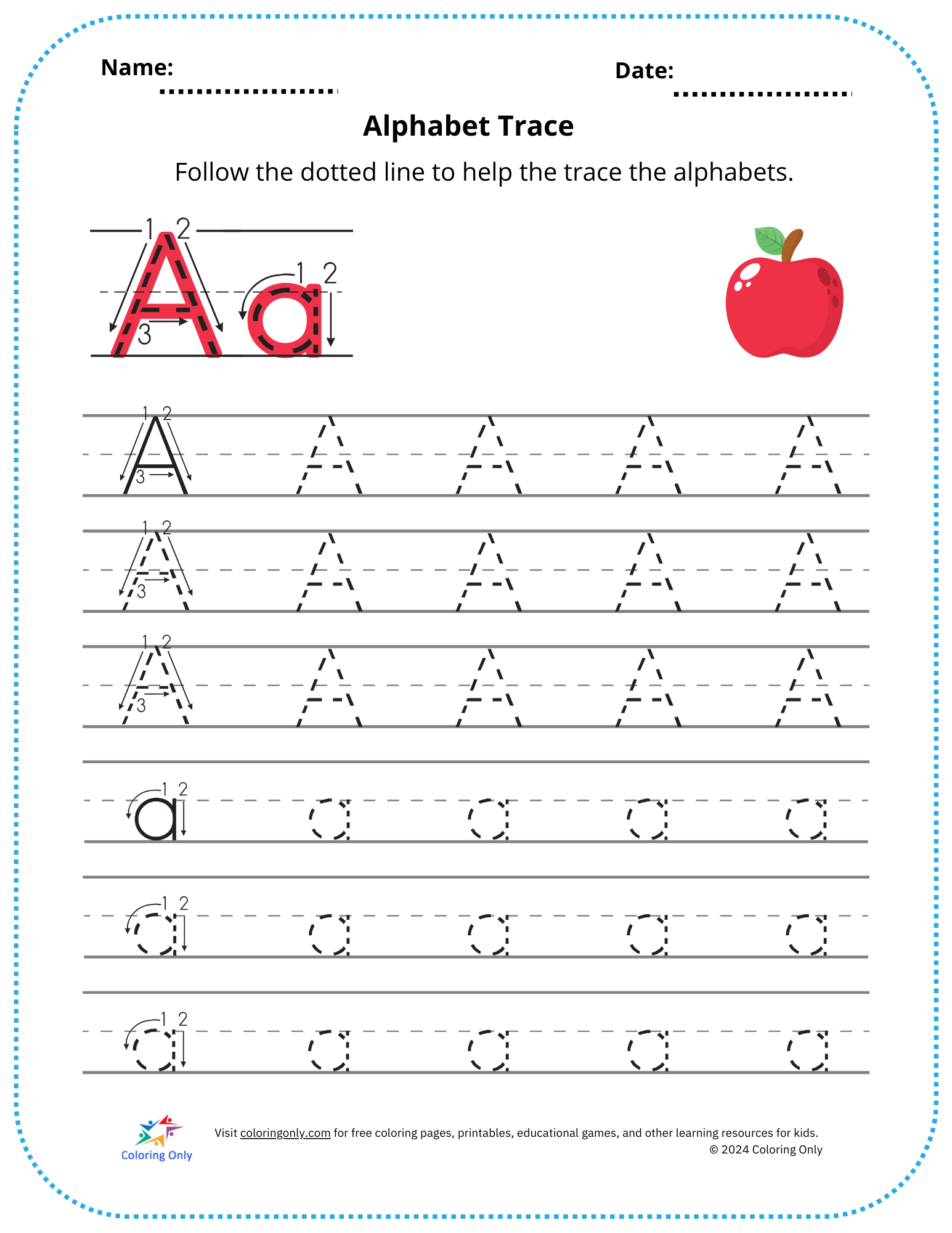
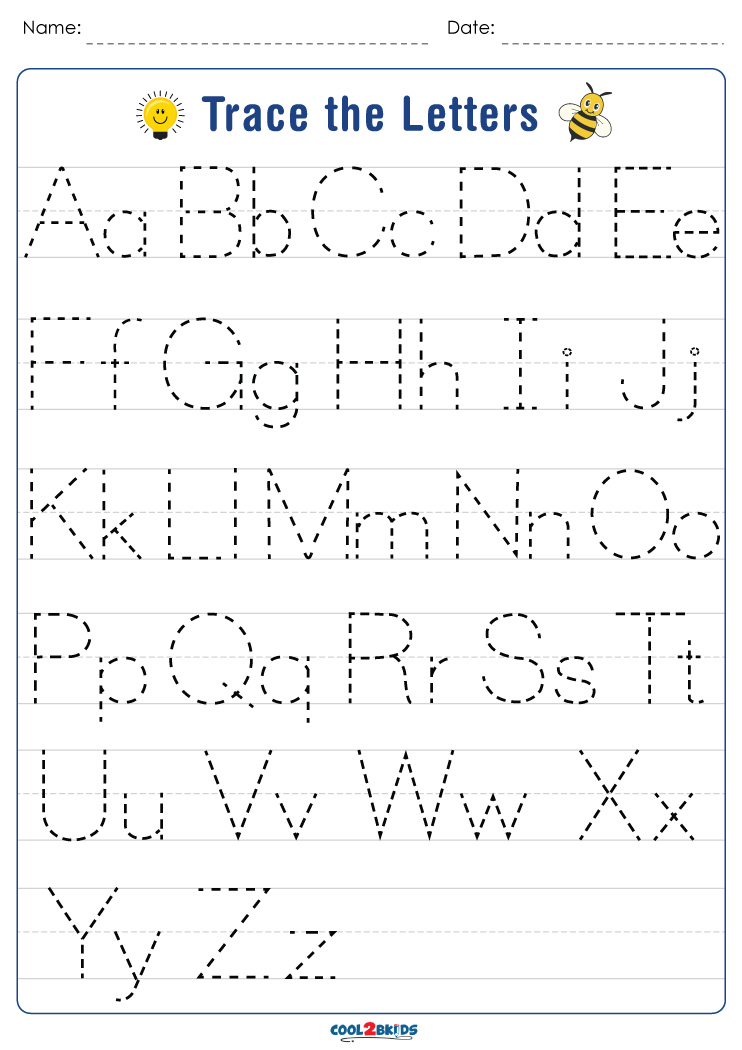
Watch any group of young children, and a fascinating developmental gap quickly emerges. Many children recognize letters, assign sounds to symbols, and read simple words long before their hand muscles possess the endurance or dexterity to form those same letters on paper. According to the National Association for the Education of Young Children, early writing development relies heavily on the integration of cognitive understanding and physical control. Bridging this gap requires tools that connect auditory sounds with physical hand movements. The phonics letter tracingworksheet serves precisely this bridge by pairing letter-sound correspondence with guided stroke mechanics, helping learners translate phonetic awareness into concrete pencil control without overwhelming developing hands.
💡 Educational Key Takeaways:
- Core Skill: Structured Phonics Letter Tracingworksheet focused on developing pencil grip, stroke control, and early literacy/math confidence.
- Target Scope: Suited for homeschoolers, preschool, kindergarten, and elementary learners.
- Best Recommendation: Practice 10–15 minutes daily with ergonomic writing tools to reinforce muscle memory without hand fatigue.
What This Worksheet Covers
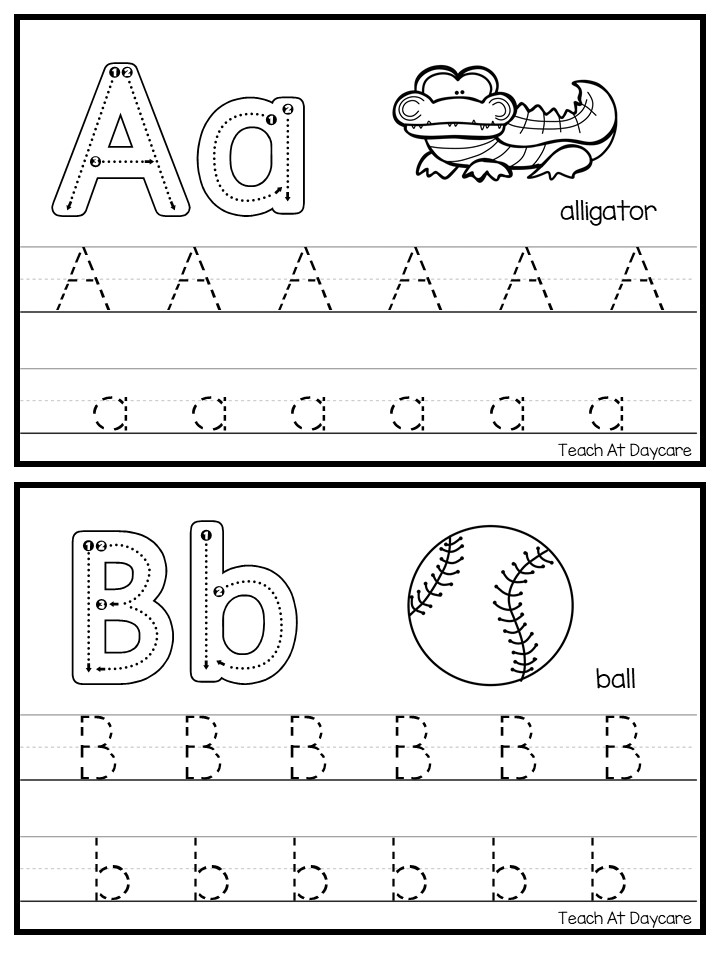
Phonics-based tracing sheets integrate multiple developmental domains simultaneously. Instead of practicing isolated lines or disconnected letters, learners engage with letters while actively processing their corresponding phonetic sounds. Every session reinforces starting points, directional arrows, and stroke sequencing for both uppercase and lowercase letterforms. At the same time, children connect the visual symbol to an auditory phoneme, establishing vital neurological pathways necessary for early literacy and spelling success. It sounds simple, and that is the point. By anchoring letter formation to familiar letter sounds, cognitive load drops significantly, leaving more mental bandwidth for mastering pencil pressure and directional control. Many children who resist traditional handwriting practice respond enthusiastically when tracing exercises carry clear phonetic meaning.
Key Learning Outcomes
Targeted phonetic tracing builds foundational literacy and physical mastery through repeated, meaningful exposure. Learners systematically improve letter formation accuracy, stroke order consistency, and spatial awareness on the page. Simultaneously, phonemic awareness deepens as children associate specific mouth movements and sounds with the physical act of drawing each line. Hand-eye coordination sharpens naturally as pencils follow dotted paths from top to bottom and left to right. This dual focus supports foundational writing readiness. Over time, consistent practice transforms slow, labored strokes into fluid, automatic motor patterns that serve as the bedrock for future composition skills.
How to Use This Worksheet
Effective implementation prioritizes quality over quantity, keeping sessions short and engaging. Begin by having the learner trace the target letter with an index finger while vocalizing the corresponding letter sound, engaging tactile and auditory senses before touching writing utensils to paper. Introduce appropriate writing tools that match individual developmental stages, ranging from short triangular crayons that encourage proper tripod grasps to standard pencils with comfortable grips. Keep practice sessions brief, typically five to ten minutes, to prevent hand fatigue and frustration. Adults should guide the physical movement initially, gradually fading assistance as confidence and muscle memory take root across the Dotted Letters For Tracing collection.
Practical Tips for Parents and Teachers
Adult support makes all the difference when children encounter tricky curves or confusing directional changes. Model the correct stroke sequence slowly on a separate sheet while verbalizing the movements aloud, such as starting at the top and pulling straight down. Scaffold the activity by completing alternating lines if full pages prove too tiring for small hands. Provide verbal encouragement that highlights effort and steady hand control rather than absolute perfection. Encourage children to select tools from the Alphabet And Numbers Tracing section to maintain high engagement levels through variety. Creating a relaxed, pressure-free environment ensures that handwriting remains an enjoyable exploration rather than a frustrating chore.
Age-Appropriate Recommendations
Developmental expectations must guide how adults introduce tracing activities across different age groups. According to CDC developmental milestones, children aged two to four typically focus on gross motor control, imitating vertical and horizontal strokes, and developing foundational hand strength through playful manipulation. During this early stage, large-format sheets from the Fine Motor and Pre-Writing Skills library work best. As children transition into kindergarten and early elementary grades, aged five to eight, instructional goals shift toward precise letter formation, proportional sizing, and phonics integration. Educators utilizing the Common Core State Standards in English Language Arts, specifically standard CCSS.ELA-LITERACY.L.K.1.A, look for children to demonstrate command of the conventions of standard English grammar and capitalization by printing many uppercase and lowercase letters effectively during these crucial formative years.
Foundational hand-eye coordination and pre-writing stroke mastery significantly predict later handwriting legibility and overall academic fluency in early elementary school. — American Occupational Therapy Association
Frequently Asked Questions
Navigating early writing tools becomes easier when clear answers address common questions regarding implementation, printing, and developmental readiness. The following responses provide direct guidance for parents, teachers, and caregivers supporting young learners.
Explore More Free Printable Tracing Worksheets
Supporting a young writer involves providing varied, engaging practice materials that grow alongside developing skills. Beyond phonics practice, learners benefit from exploring diverse movement patterns, numerical sequences, and creative themes found throughout the comprehensive collection at KidTraces.com. Whether preparing a preschool classroom or organizing homeschool activities, educators and families can discover hundreds of supplementary resources by browsing the Tracing Worksheets directory. Every printable is designed to make foundational skill-building accessible, joyful, and effective for every child.
Developmental Milestone & Activity Table
| Development Stage | Recommended Daily Duration | Primary Learning Objective |
|---|---|---|
| Preschool & Pre-K | 10 – 15 Minutes | Pencil grip development & basic pre-stroke lines |
| Kindergarten | 15 – 20 Minutes | Letter/number formation & spatial line awareness |
| Early Elementary (Grade 1–2) | 20 – 30 Minutes | Fluency, sentence construction & neatness |
Images References