Introduction
Many children recognize letters, shapes, and numbers long before their fine motor stamina and hand muscles are actually ready to form them on paper. According to the American Occupational Therapy Association, foundational fine motor control and bilateral coordination are critical precursors to functional handwriting and academic success in early childhood. Children managing attention-deficit/hyperactivity disorder often experience unique hurdles when traditional, rigid handwriting instruction is introduced without movement or visual engagement. Enter targeted letter tracing worksheets adhd designed specifically to capture wandering attention while building essential neural pathways for pencil control. It sounds simple, and that is the exact point of utilizing multisensory, structured pages that respect how active minds process information.
💡 Educational Key Takeaways:
- Core Skill: Structured Letter Tracing Worksheets Adhd focused on developing pencil grip, stroke control, and early literacy/math confidence.
- Target Scope: Suited for homeschoolers, preschool, kindergarten, and elementary learners.
- Best Recommendation: Practice 10–15 minutes daily with ergonomic writing tools to reinforce muscle memory without hand fatigue.
What This Worksheet Covers
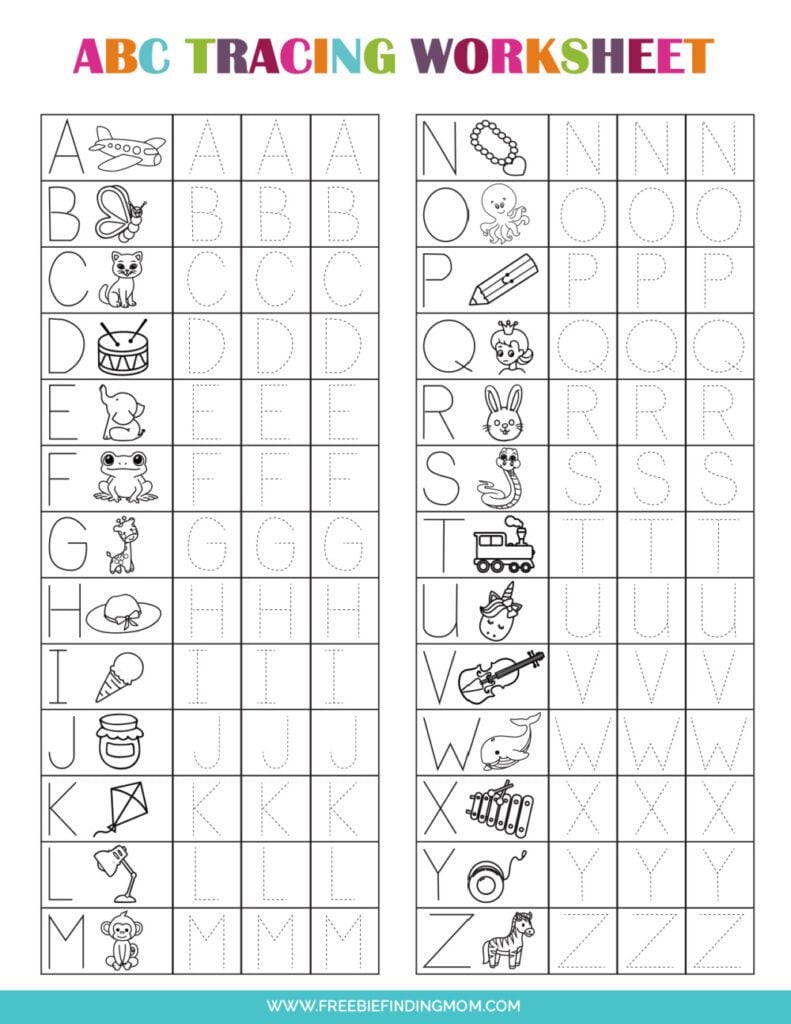
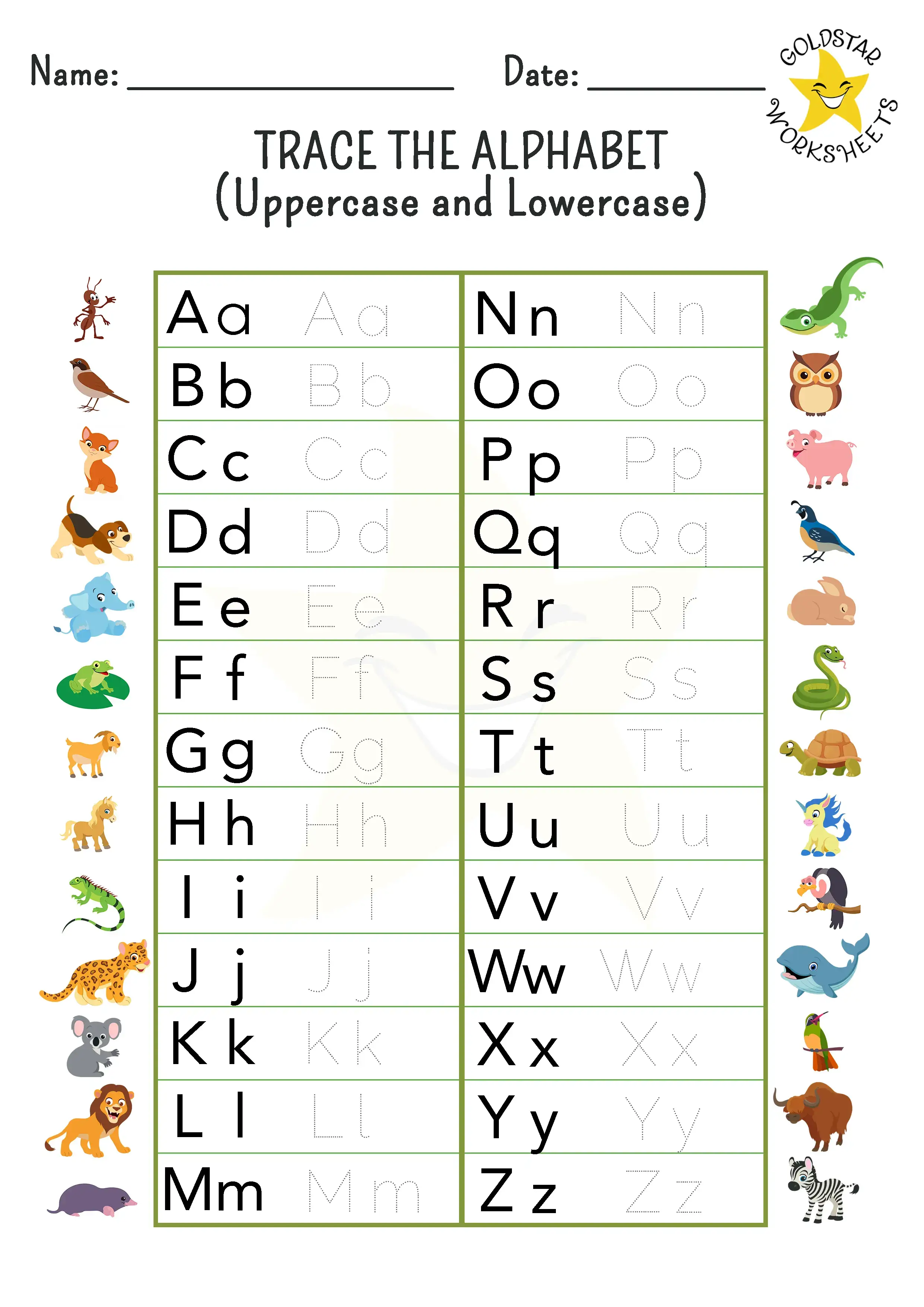
Addressing the specific needs of high-energy learners requires structured visual supports that minimize cognitive overload while maximizing engagement. These specialized printables focus heavily on guided letter and numeral formation, distinct starting points, and clear directional arrows to reduce impulsive stroke habits. Hand positioning often fluctuates wildly during desk tasks, making built-in visual cues an invaluable asset for maintaining focus. Exploring foundational resources like Alphabet And Numbers Tracing helps bridge the gap between visual recognition and physical execution.
Key Learning Outcomes
Working through these carefully designed pages builds several critical academic and physical milestones simultaneously. Learners develop superior pencil grip and spatial awareness as they navigate dotted pathways from top to bottom and left to right. Visual-motor integration improves noticeably as hand-eye coordination strengthens with every completed stroke. Furthermore, executive functioning skills such as impulse control, task completion, and self-monitoring are naturally reinforced when tracing is presented in short, digestible bursts rather than endless drills.
How to Use This Worksheet
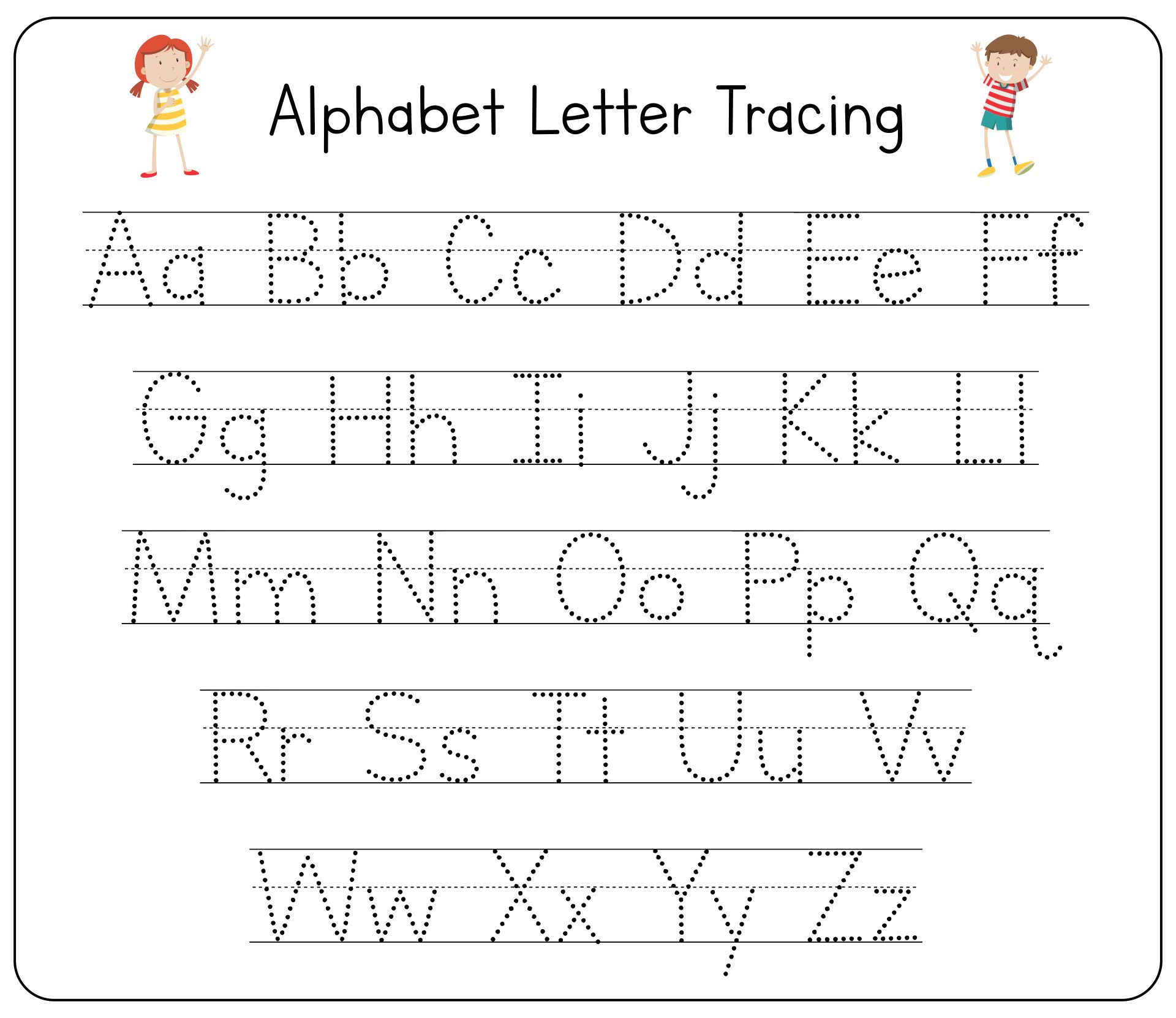
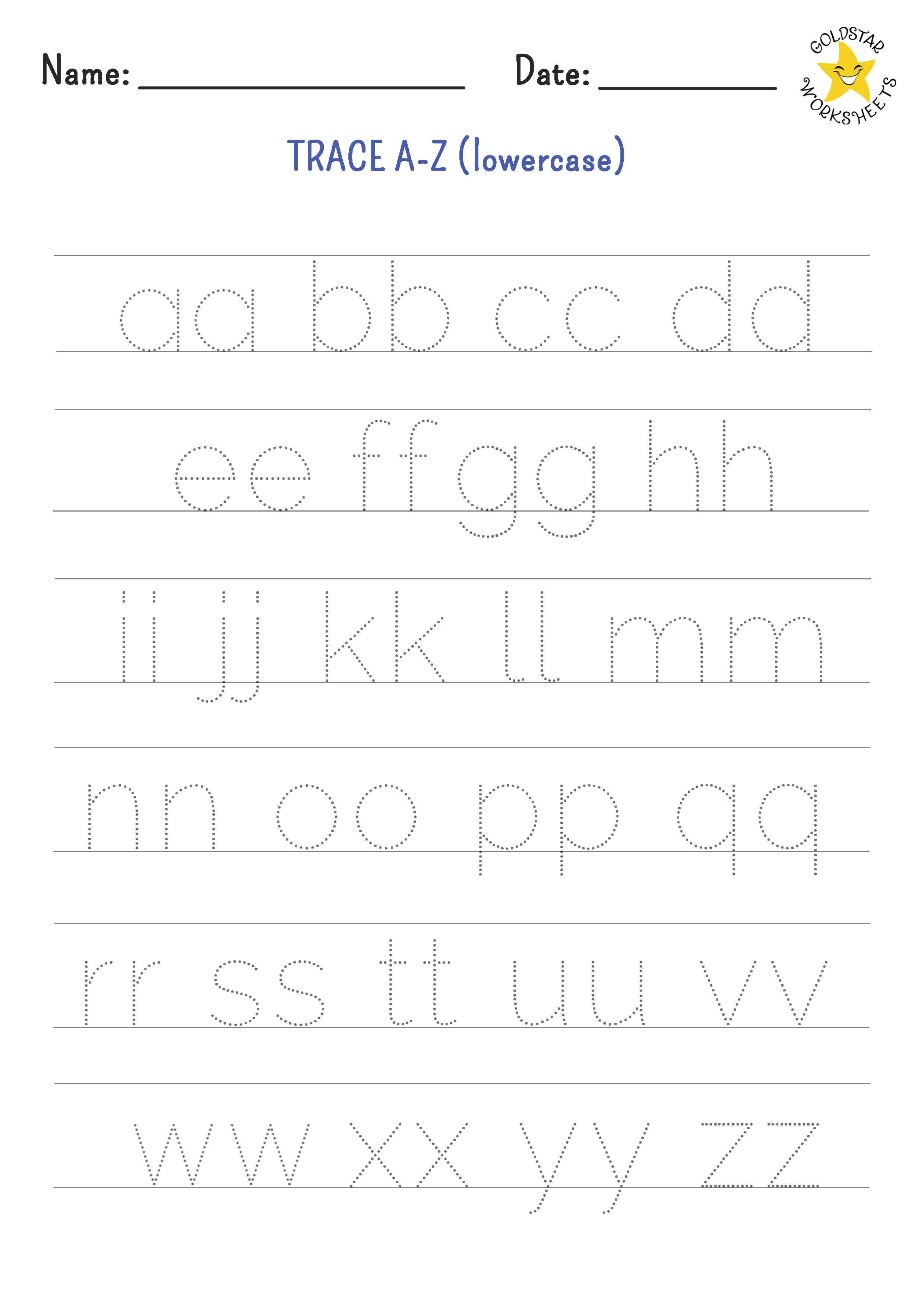
Maximizing the effectiveness of these printables requires shifting away from long, frustrating seatwork sessions and moving toward brief, high-success interactions. Incorporating movement breaks before sitting down helps channel physical restlessness into productive focus during pencil tasks. It also helps to slide worksheets into heavy-duty plastic sleeves and use dry-erase markers, which lowers the stakes of making a mistake. For broader skill development, pairing these pages with selections from Dotted Letters For Tracing provides consistent visual anchoring for developing hands.
Practical Tips for Parents and Teachers
Adults play a vital role in scaffolding these exercises by modeling proper pencil grasp and demonstrating how to anchor the non-writing hand on the paper. Instead of correcting every stray line, celebrate successful letter starts and encourage self-correction when a pencil strays off course. Keeping writing tools short—like half-length golf pencils or broken crayons—naturally encourages a functional tripod grasp by preventing the hand from wrapping around the shaft. Offering choices between different thematic layouts keeps motivation high for children who tire quickly of repetitive worksheets.
Age-Appropriate Recommendations
Toddlers and younger preschoolers benefit most from gross-motor pre-writing experiences and large-scale line tracing that emphasizes arm and shoulder movement over finger dexterity. As children move into kindergarten and early elementary school, the focus shifts toward controlled letter formation in alignment with the National Association for the Education of Young Children Developmentally Appropriate Practice guidelines. For older children working through attention challenges, keeping practice windows brief prevents mental fatigue and preserves a positive attitude toward writing tasks.
According to the National Center for Learning Disabilities, multisensory instructional strategies significantly improve engagement and skill retention for students facing learning and attention differences. — NCLD
Frequently Asked Questions
Navigating early writing support brings up many practical questions regarding printing, attention spans, and skill building. Clear, direct answers help caregivers implement these tools with confidence at home or inside the classroom.
Explore More Free Printable Tracing Worksheets
Supporting diverse learning styles requires a robust toolkit of engaging, adaptable practice materials for every stage of early childhood development. Exploring resources such as Fine Motor and Pre-Writing Skills ensures that every child receives the foundational support necessary for lifelong writing confidence. Access the entire collection of educator-approved materials by visiting KidTraces.com to find thousands of printables tailored for home, therapy, and classroom environments. Download free.
Developmental Milestone & Activity Table
| Development Stage | Recommended Daily Duration | Primary Learning Objective |
|---|---|---|
| Preschool & Pre-K | 10 – 15 Minutes | Pencil grip development & basic pre-stroke lines |
| Kindergarten | 15 – 20 Minutes | Letter/number formation & spatial line awareness |
| Early Elementary (Grade 1–2) | 20 – 30 Minutes | Fluency, sentence construction & neatness |
Images References