Introduction
Many children recognize letters, shout out the alphabet song, and even spell simple words long before their fine motor coordination allows them to actually form those letters on paper. According to the National Association for the Education of Young Children, early writing development emerges through playful, meaningful experiences where children connect symbols to sounds and images. Alphabet tracing with pictures bridges this exact developmental gap by combining visual recognition with guided physical practice. It sounds simple, and that’s the point. Young learners thrive when abstract letter shapes are anchored to familiar, concrete objects like apples, bears, and cats. Through structured alphabet and numbers tracing, children begin to internalize the foundational mechanics of literacy while building the hand strength necessary for lifelong writing success.
💡 Educational Key Takeaways:
- Core Skill: Structured Alphabet Tracing With Pictures focused on developing pencil grip, stroke control, and early literacy/math confidence.
- Target Scope: Suited for homeschoolers, preschool, kindergarten, and elementary learners.
- Best Recommendation: Practice 10–15 minutes daily with ergonomic writing tools to reinforce muscle memory without hand fatigue.
What This Worksheet Covers
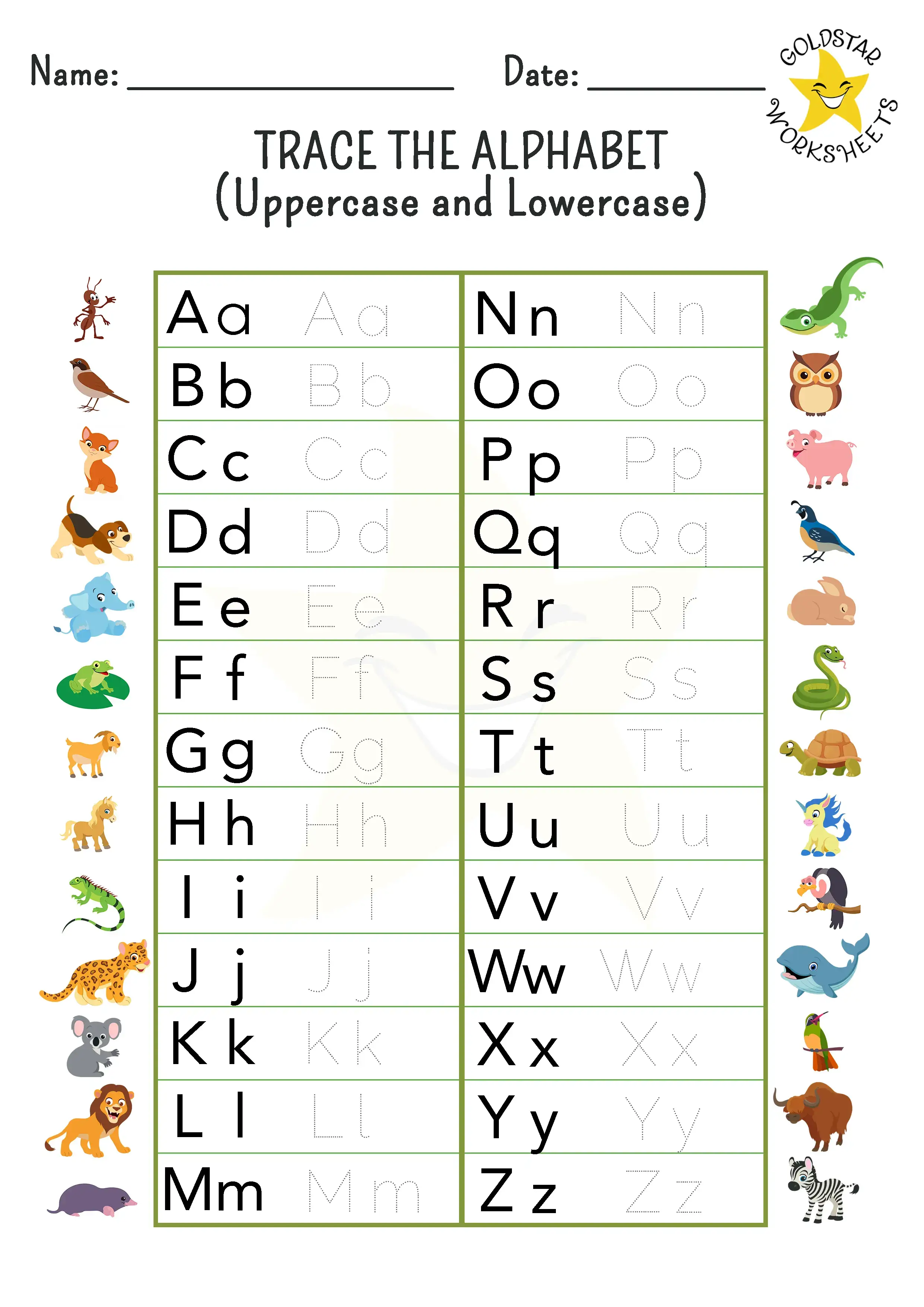
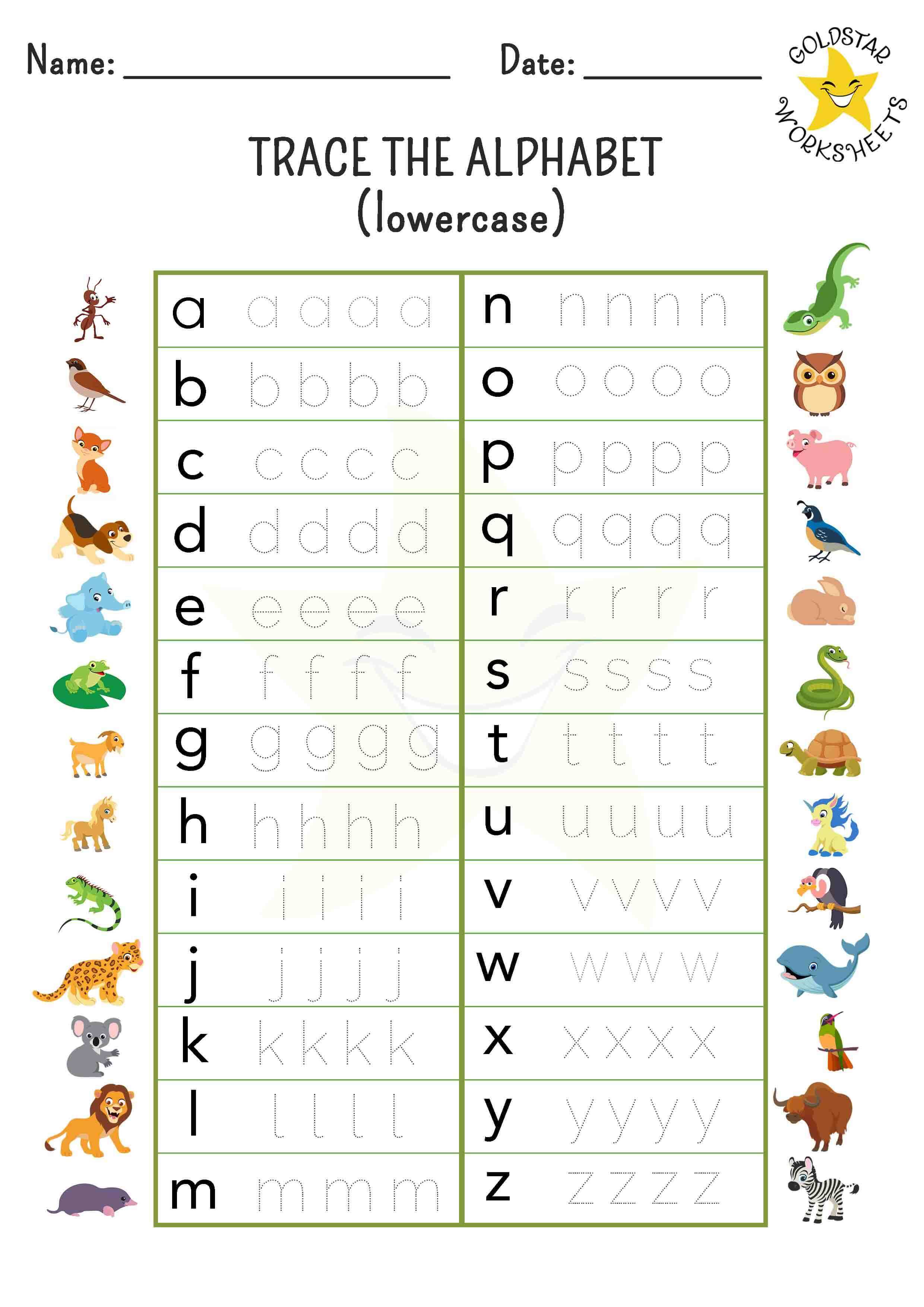
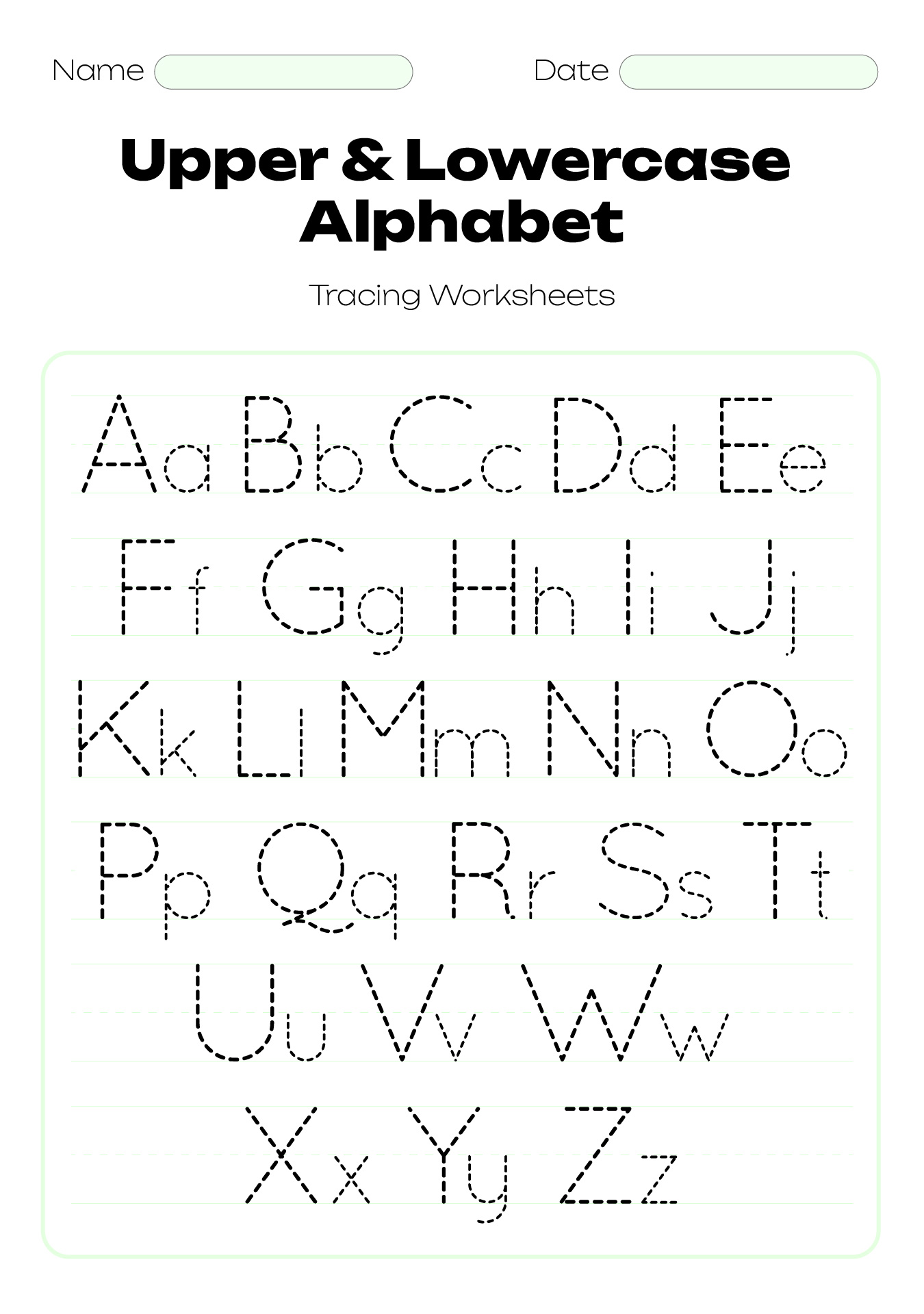
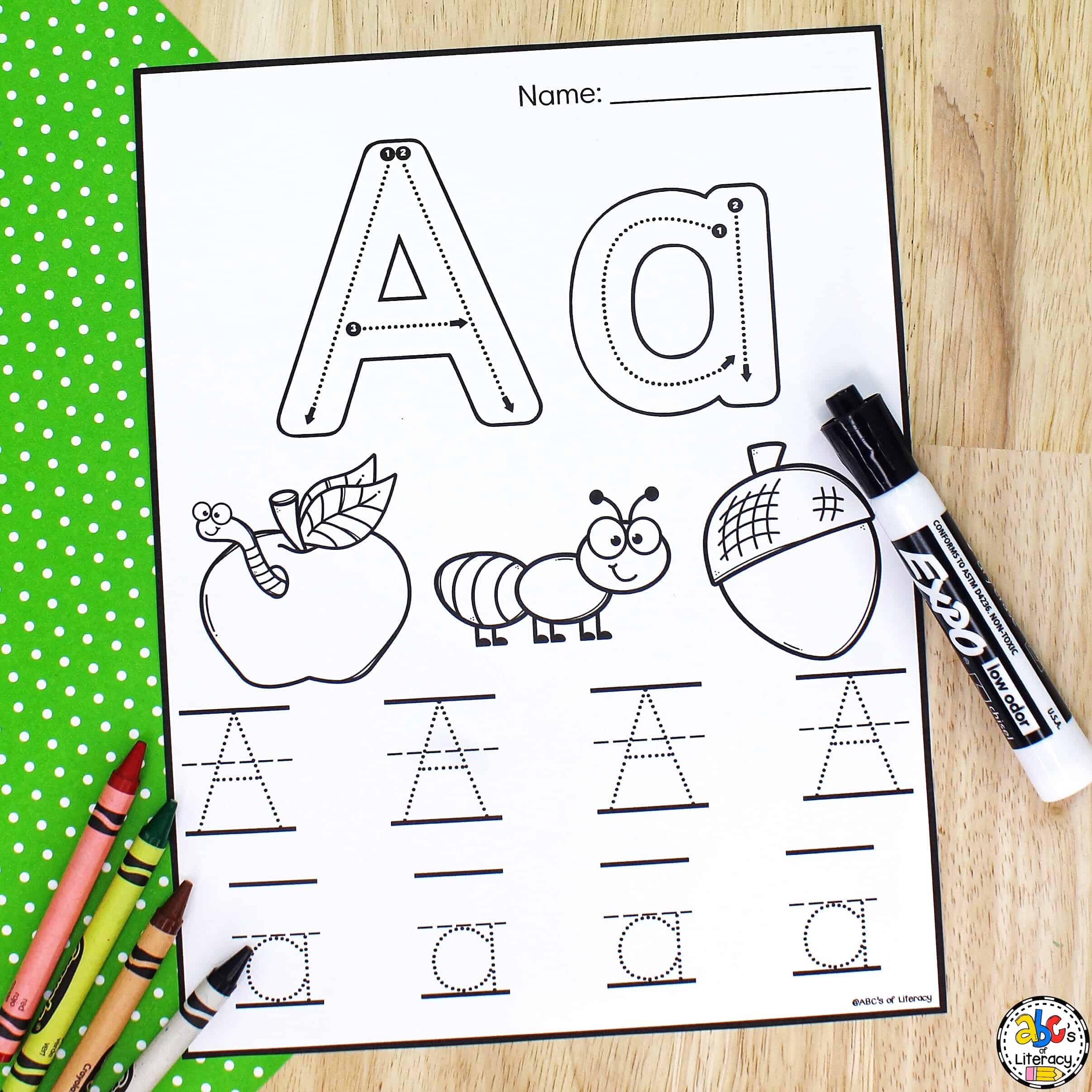
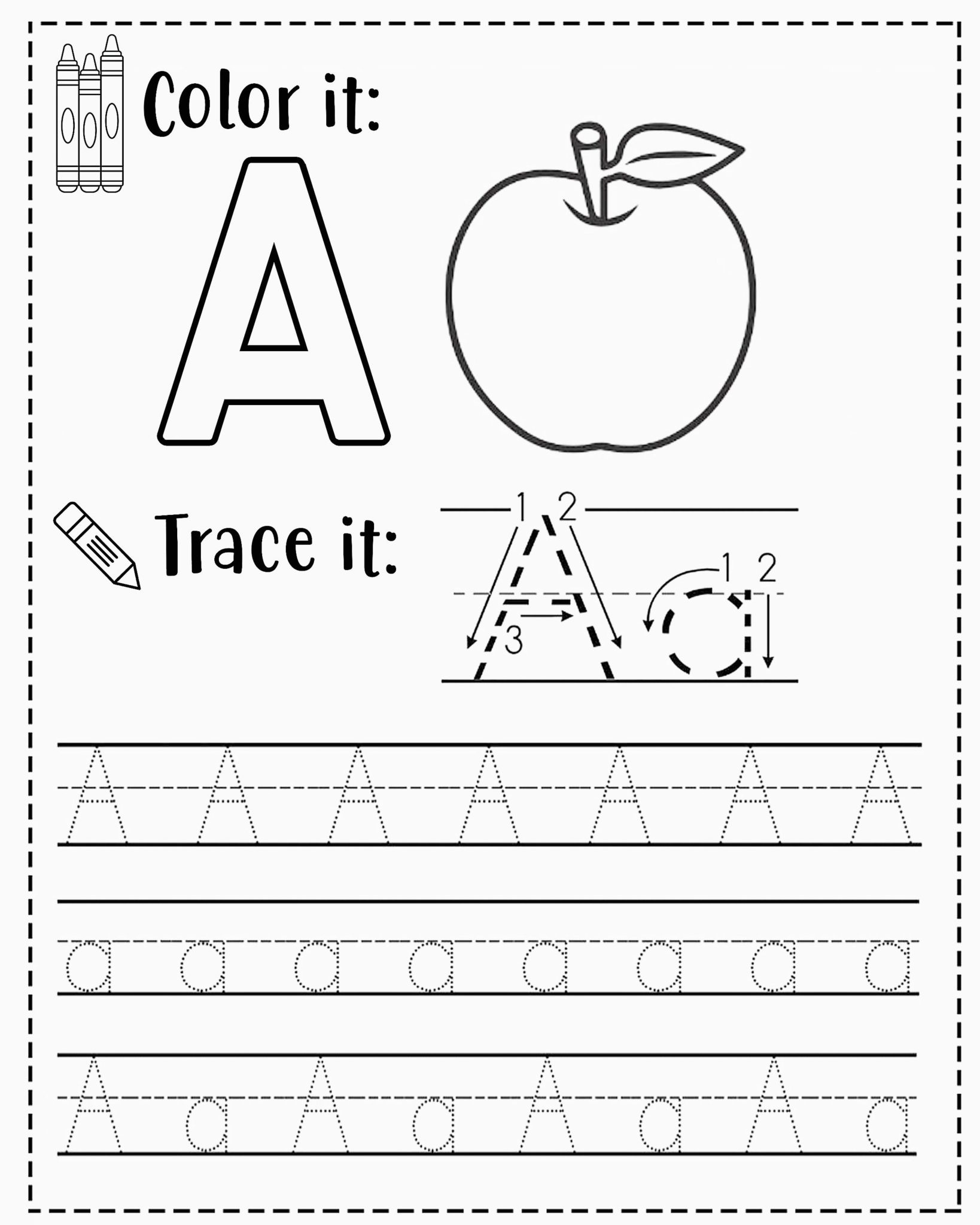
This printable resource focuses directly on letter and numeral formation, strict stroke order, and visual-spatial awareness. Each page features uppercase and lowercase letters accompanied by vibrant, recognizable pictures that start with the corresponding target sound. Children encounter starting points, directional arrows, and carefully calibrated dotted letters for tracing that guide the pencil smoothly across the page. The layout encourages correct pencil grip and deliberate hand control, moving away from mindless scribbling toward intentional, controlled pre-writing strokes.
Key Learning Outcomes
Young learners develop critical letter-sound correspondence while simultaneously strengthening the small intrinsic muscles of the hand. Consistent practice reinforces correct stroke directionality, reducing the likelihood of common reversal habits down the road. Children enhance their visual memory by associating each letter’s unique topography with a visual anchor. Furthermore, this guided tracing format fosters sustained focus, patience, and the satisfaction of completing a tangible literacy task from start to finish.
How to Use This Worksheet
Success with early writing tools relies heavily on preparation, positioning, and positive encouragement rather than rigid enforcement. Adults should begin by introducing the picture on the page, asking the child to name the object and isolate its beginning sound before the pencil ever touches the paper. Positioning the paper slightly tilted on a flat surface while ensuring the child’s feet rest flat on the floor establishes optimal postural stability. Tracing with a finger first helps build muscle memory before transitioning to crayons, short pencils, or markers.
Practical Tips for Parents and Teachers
Adults can model proper pencil grip explicitly, gently positioning thumb and index fingers in an open web space while resting the shaft on the middle finger. Scaffolding the activity means starting with hand-over-hand guidance for the youngest learners, then fading support until the child traces independently. Extending the learning beyond the worksheet involves having children trace letters in a shallow tray of sand or salt. It is vital to praise effort and controlled line formation rather than focusing exclusively on absolute perfection.
Age-Appropriate Recommendations
For toddlers and preschoolers aged two to four, the focus belongs on large, sweeping pre-writing lines, finger-tracing, and exploring foundational shape and line tracing to build gross-to-fine motor control. According to the National Association for the Education of Young Children guidelines for developmentally appropriate practice, children in this bracket learn best through sensory-rich experiences that do not demand rigid pencil mastery. As children progress into kindergarten and early elementary grades from ages five to eight, instructional goals shift toward precise letter formation, appropriate sizing, and spacing as outlined in foundational educational standards. During these primary years, pairing alphabet pages with targeted word and name tracing helps solidify print conventions and literacy confidence.
Early writing development emerges through playful, meaningful experiences where children connect symbols to sounds and images. — National Association for the Education of Young Children
Frequently Asked Questions
Common questions regarding these educational printables focus on practical execution, developmental benefits, and sourcing materials for home or classroom environments.
Letter and numeral formation instruction reduces long-term handwriting fatigue and supports reading fluency. — International Dyslexia Association
Explore More Free Printable Tracing Worksheets
Supporting early writers involves offering a diverse array of engaging practice materials that grow alongside the child’s developing skill set. Adults can explore themed seasonal resources, numeral practice sheets, and foundational control exercises to keep young learners motivated. Discover the full library of educational resources designed for educators and families by visiting KidTraces.com to download additional tracing worksheets today.
Developmental Milestone & Activity Table
| Development Stage | Recommended Daily Duration | Primary Learning Objective |
|---|---|---|
| Preschool & Pre-K | 10 – 15 Minutes | Pencil grip development & basic pre-stroke lines |
| Kindergarten | 15 – 20 Minutes | Letter/number formation & spatial line awareness |
| Early Elementary (Grade 1–2) | 20 – 30 Minutes | Fluency, sentence construction & neatness |
Images References