Introduction
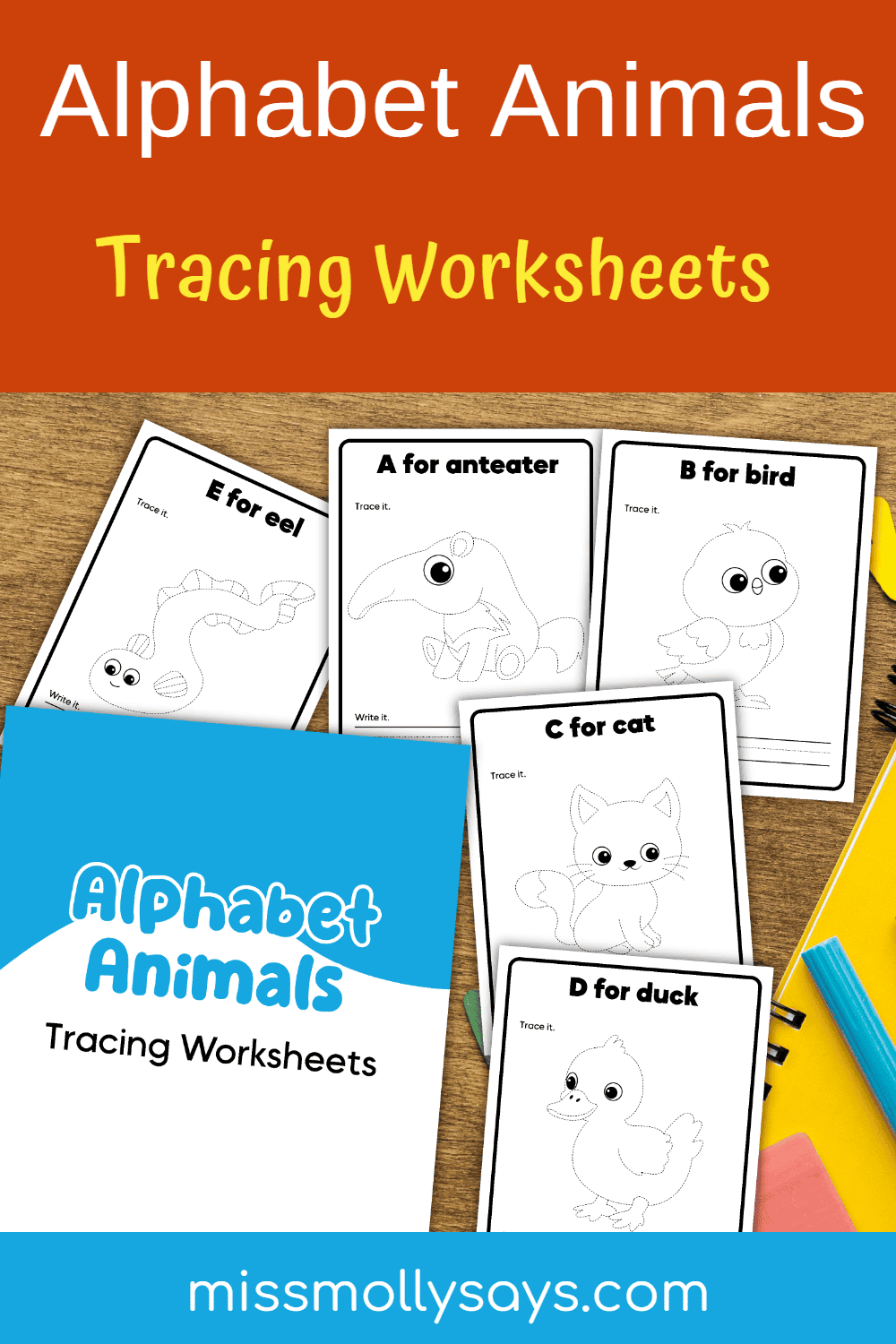
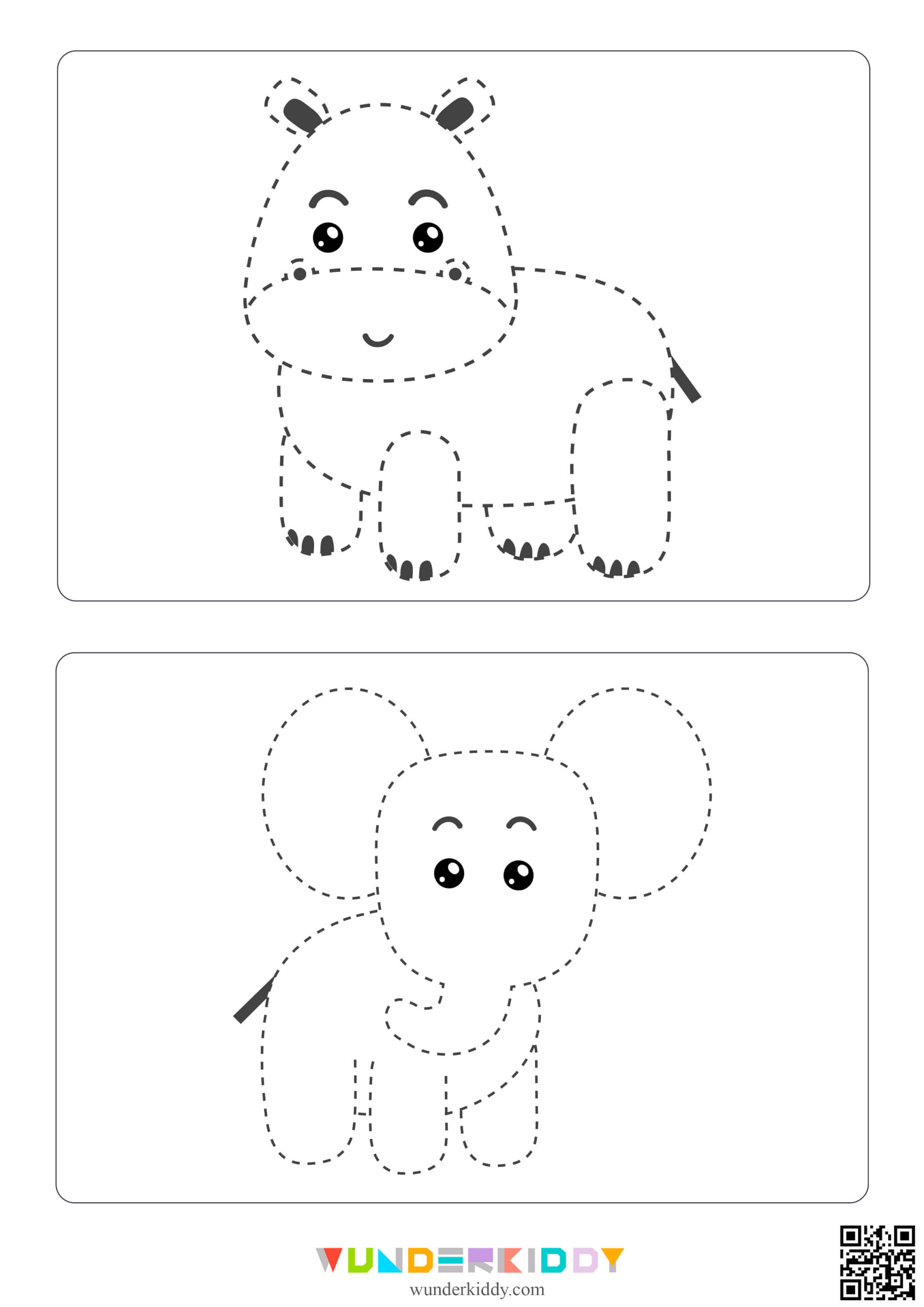
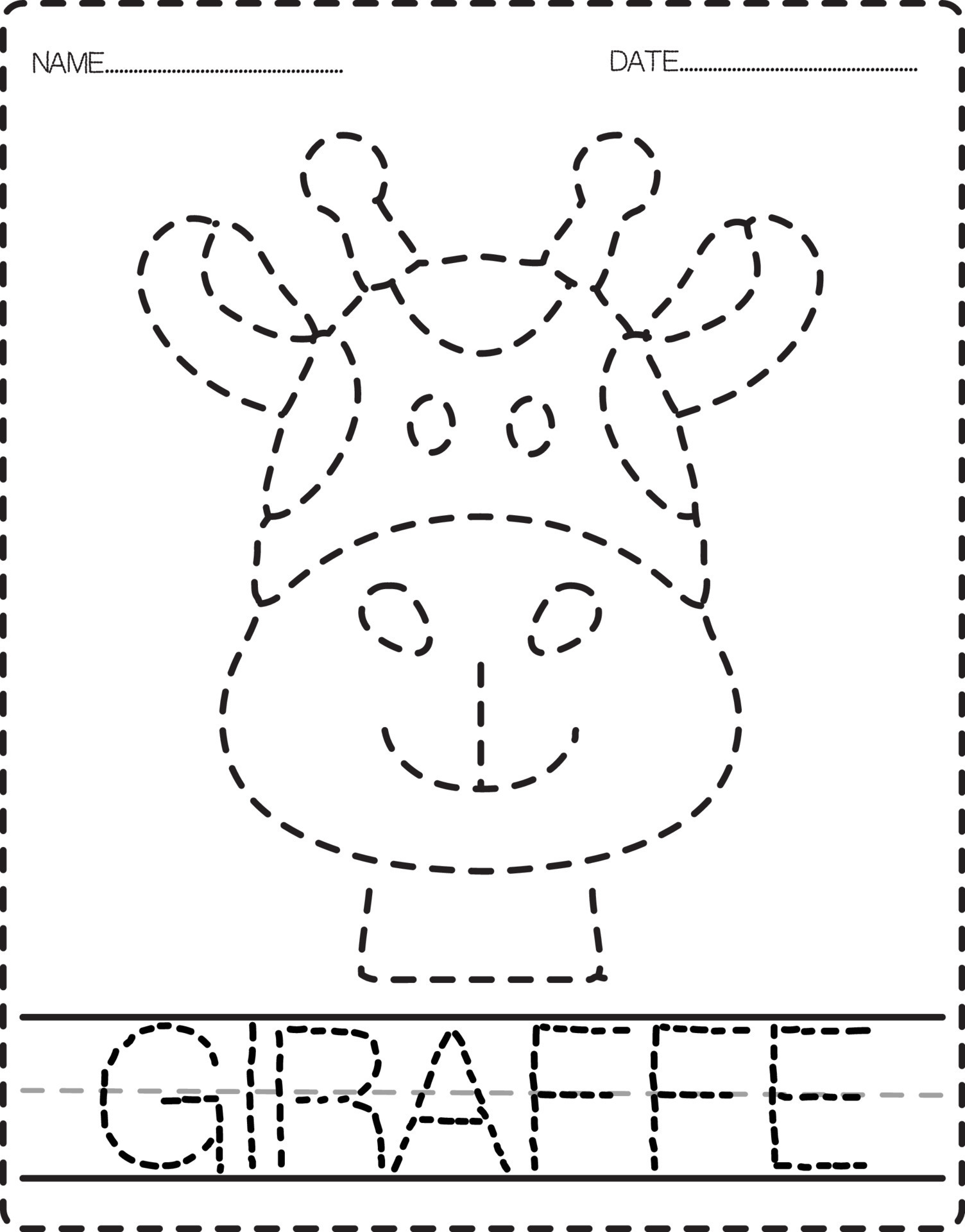
Many children recognize entire alphabets and point out print in their environment long before their small hand muscles possess the endurance and dexterity required to form those same letters on paper. According to Reading Rockets, early literacy development relies heavily on building a solid foundation of print awareness and fine motor control before expecting formal writing mastery. Transforming pencil control practice from a tedious drill into an engaging activity helps bridge this gap naturally. Enter the letter tracing visual with animals, a thoughtfully designed resource that pairs letter formation practice with playful creature themes to capture a child’s imagination. It sounds simple, and that is the exact point. By embedding alphabet practice into a familiar, friendly visual context, young learners approach pencil strokes with curiosity rather than resistance, making pre-writing mechanics feel like an exciting discovery instead of a chore.
💡 Educational Key Takeaways:
- Core Skill: Structured Letter Tracing Visual With Animals focused on developing pencil grip, stroke control, and early literacy/math confidence.
- Target Scope: Suited for homeschoolers, preschool, kindergarten, and elementary learners.
- Best Recommendation: Practice 10–15 minutes daily with ergonomic writing tools to reinforce muscle memory without hand fatigue.
What This Worksheet Covers
Letter formation requires a sophisticated blend of visual-spatial processing, motor planning, and directional control. This specific printout guides young hands through the precise strokes needed for accurate alphabet mastery while keeping cognitive fatigue low. Starting points are clearly established to teach children where pencil contact begins, preventing the common habit of drawing letters upward or backward. Each animal companion acts as a visual anchor, reinforcing the association between letter symbols, sounds, and physical shapes. Through repeated exposure to these structured lines, children strengthen the small intrinsic muscles of the hand while learning the spatial boundaries of writing paper. Educators exploring these foundational mechanics often turn to dotted letters for tracing to give children optimal visual cues during early stroke acquisition.
Key Learning Outcomes
Working through these pages fosters multiple developmental milestones simultaneously. Children refine fine motor control by stabilizing the paper with a helper hand while the writing hand executes controlled horizontal, vertical, and diagonal strokes. Directionality is reinforced organically as pencils move from top to bottom and left to right, building the visual tracking pathways essential for future reading fluency. Hand-eye coordination improves dramatically as tiny eyes monitor pencil tips against the dotted pathways. Furthermore, letter recognition deepens because the tactile sensation of tracing reinforces the visual memory of each character shape. To expand these foundational hand skills into broader pencil control exercises, integrating tools from fine motor and pre-writing skills provides a wonderful complement to daily alphabet routines.
How to Use This Worksheet
Success with early writing worksheets depends heavily on the physical environment and the emotional tone set by the adult. Begin by ensuring the child sits with feet flat on the floor and hips at a ninety-degree angle, as proximal core stability directly influences distal finger control. Instead of correcting every stray line, allow children to explore the animal graphics first, turning the page into a storytelling opportunity before a single mark is made. According to the American Occupational Therapy Association, supporting proper grasp patterns early prevents hand fatigue and encourages fluid handwriting development as academic demands increase. Keep sessions brief, usually lasting five to ten minutes, to maintain positive associations with writing tasks.
Practical Tips for Parents and Teachers
Observing hand posture provides valuable clues about muscle readiness. If a fist grasp appears, encourage the use of shorter writing utensils like broken crayons to naturally promote a functional tripod or quadrupod grasp. Scaffolding the activity makes a tremendous difference for hesitant learners; adults can gently hand-over-hand guide the first few strokes to demonstrate the physical rhythm before letting the child take over independently. When fatigue sets in, transition from traditional pencils to scented markers or colorful gel pens to revitalize engagement without forcing compliance. For children who master basic alphabet paths and crave structural variety, incorporating resources from alphabet and numbers tracing offers wonderful continuity in stroke practice.
Age-Appropriate Expectations
Developmental expectations vary widely across early childhood, aligning closely with the principles outlined in the National Association for the Education of Young Children guidelines for developmentally appropriate practice. Two- and three-year-olds are typically refining palmar and digital pronate grasps, making them ready for broad sensory pre-writing strokes, big animal illustrations, and large-scale tracing paths rather than tiny manuscript letters. By ages four and five, children generally transition to a mature tripod grasp, allowing them to engage with standard dotted letter formations and structured top-to-bottom stroke sequencing. Older children in the six-to-eight range use these visual sheets to refine letter sizing, baseline adherence, and writing speed. Supporting children precisely where their motor skills currently rest ensures confidence blossoms alongside competency.
Early writing proficiency is directly tied to the development of fine motor control, core postural stability, and consistent multisensory letter exposure during the preschool years. — American Occupational Therapy Association (AOTA)
Frequently Asked Questions
Explore More Free Printable Tracing Worksheets
Building a robust toolkit for early writing doesn’t have to be complicated or expensive. Educators, parents, and therapists looking for diverse ways to support young learners will find an extensive collection designed to meet every developmental stage. Whether focusing on foundational pencil control, numeral mastery, or engaging seasonal motifs, structured practice yields remarkable progress when kept fun and consistent. Discover the full library of resources available at KidTraces.com to support your children every step of the way.
Developmental Milestone & Activity Table
| Development Stage | Recommended Daily Duration | Primary Learning Objective |
|---|---|---|
| Preschool & Pre-K | 10 – 15 Minutes | Pencil grip development & basic pre-stroke lines |
| Kindergarten | 15 – 20 Minutes | Letter/number formation & spatial line awareness |
| Early Elementary (Grade 1–2) | 20 – 30 Minutes | Fluency, sentence construction & neatness |
Images References