Introduction
Many young children recognize letters and symbols long before their fine motor control allows them to form those shapes on paper. According to the American Occupational Therapy Association, foundational hand strength and coordinated finger movements must develop before children can master efficient pencil control and letter formation. Sitting down with a pencil often brings frustration when hand muscles tire too quickly or coordination fails to match mental intent. Bridging this gap requires targeted practice that respects physical development while building confidence. Utilizing a reliable letter formation file pdf free offers a structured, pressure-free way for learners to map visual symbols to physical movements. It sounds simple, and that’s the point: consistent, short bouts of guided tracing help wire the brain for future handwriting fluency without causing hand fatigue.
💡 Technical Key Takeaways:
- Core Focus: Diagnostic schematic and terminal connection layout for Letter Formation File Pdf Free.
- Target Scope: Field technicians, automotive DIYers, and residential/commercial electricians.
- Safety Rule: Always disconnect the primary power source/battery terminal and verify zero voltage with a multimeter before touching wires.
What This Worksheet Covers
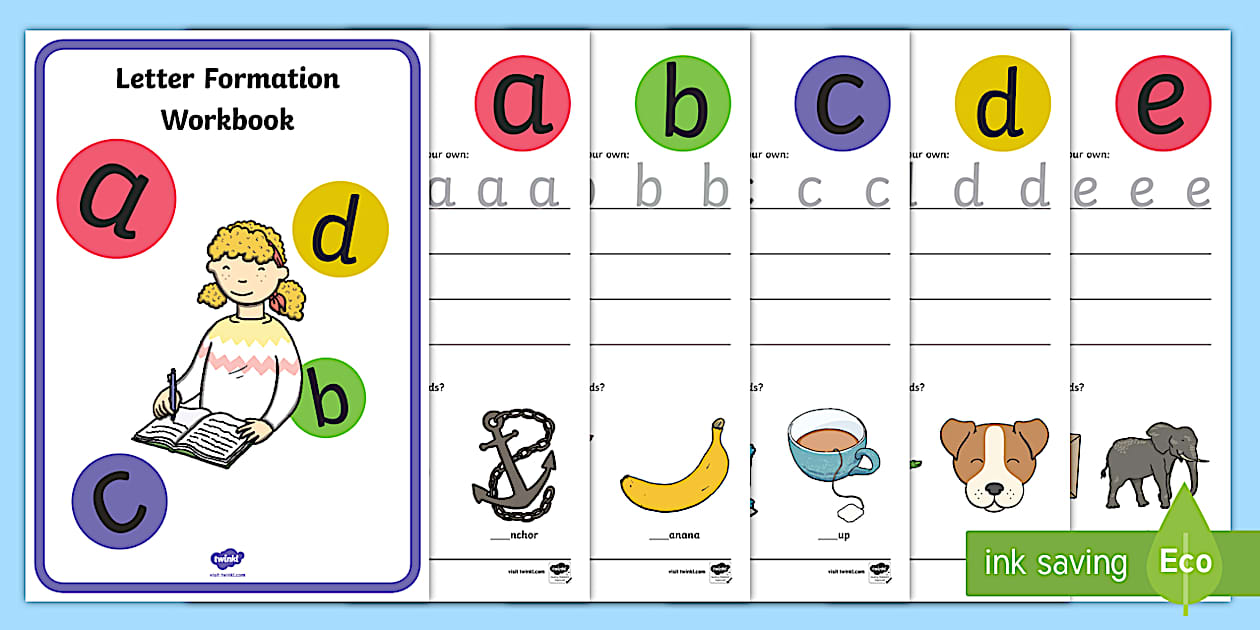
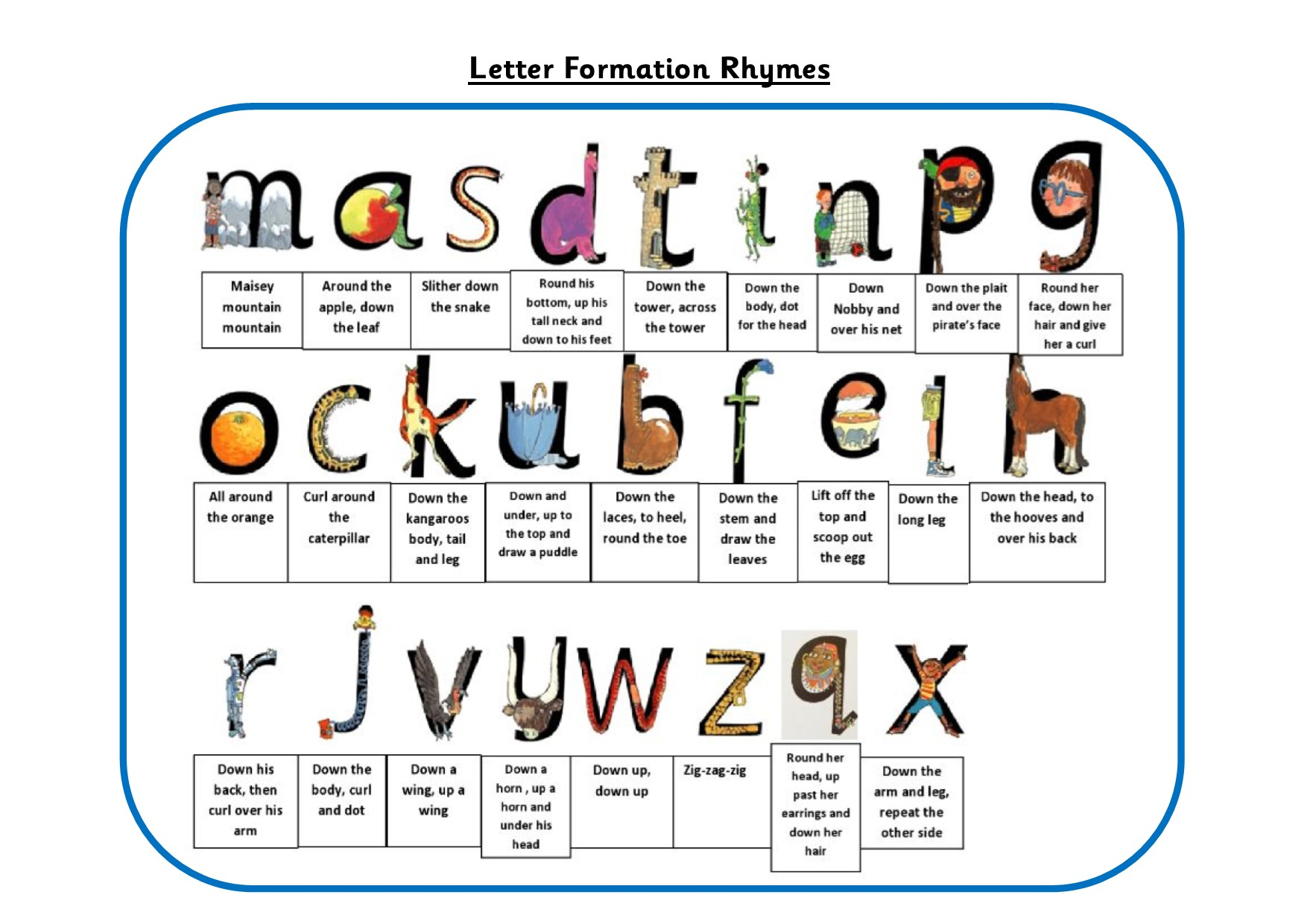
Letter formation worksheets bridge the crucial gap between visual recognition and physical execution by breaking down complex symbols into manageable directional strokes. Mastery of the alphabet does not happen all at once; it requires an understanding of starting points, directional arrows, and spatial orientation on a page. Many learners struggle because they form letters using erratic or inefficient stroke sequences, such as drawing the letter ‘s’ from the bottom up instead of the top down. A comprehensive tracing resource guides hands along precise dotted lines, reinforcing proper muscle memory for every uppercase and lowercase letter. This systematic exposure ensures that learners transition smoothly from basic Shape and Line Tracing to confident, independent writing. Here’s what makes this worksheet different: it emphasizes correct stroke order alongside fine motor control, laying the groundwork for legibility and speed later in the educational journey.
Key Learning Outcomes
Working through structured tracing materials yields several distinct developmental milestones for young learners. First, children internalize proper stroke directionality, which reduces letter reversals and increases writing speed over time. Second, regular interaction with Dotted Letters For Tracing builds intrinsic hand strength and refines the pincer grasp necessary for pencil manipulation. Third, spatial awareness improves as learners navigate baseline boundaries and maintain consistent letter sizing across the page. Finally, children develop sustained focus and visual-motor integration, translating what the eyes see directly into coordinated hand movements.
How to Use This Worksheet
Maximizing the benefits of any tracing exercise requires careful attention to the physical setup and the child’s posture before the pencil ever touches the paper. Feet should rest flat on the floor or a stable footrest, and the non-dominant hand must hold the paper steady while the writing hand goes to work. Adults often rush straight to paper, but seasoned educators know that tactile preparation yields much better results. Tracing letters in sensory trays filled with sand or salt helps children feel the correct curves and straight lines before transferring that knowledge to a printed page. Integrating these versatile exercises alongside resources found within Alphabet And Numbers Tracing keeps practice engaging and prevents repetitive strain or boredom.
Practical Tips for Parents and Teachers
Observing a child’s pencil grasp provides vital clues about whether their hand muscles are ready for extended writing sessions. Adults should gently encourage a mature tripod grasp, but forcing an unnatural grip too early can cause hand cramping and frustration. Scaffolding the activity is essential; start by demonstrating the stroke in the air, then guide the child’s hand gently through the first few formations, and finally step back to let them try independently. Keeping sessions brief—around five to ten minutes a day—prevents fatigue and maintains high enthusiasm. Celebrating small victories, such as a smoothly rounded curve or a straight vertical line, reinforces positive associations with writing.
Age-Appropriate Recommendations
According to the National Association for the Education of Young Children guidelines on developmentally appropriate practice, children progress through predictable stages of graphic representation. For toddlers and preschoolers aged two to four, the focus centers on gross motor movements, sensory exploration, and basic pre-writing strokes that build core stability and shoulder strength. Children aged five to eight transition toward formal letter formation, aligning with Common Core ELA standard L.K.1.a, which requires printing all uppercase and lowercase letters. During these early elementary years, structured tracing resources help refine pencil pressure, spatial alignment, and automaticity, ensuring that handwriting becomes a natural tool for expression rather than a physical chore.
Proficient handwriting supports cognitive development, working memory, and reading fluency by freeing up mental bandwidth during composition. — International Dyslexia Association
Frequently Asked Questions
Navigating printing options, developmental readiness, and educational standards becomes much simpler with clear, direct answers to common questions about tracing practice.
Explore More Free Printable Tracing Worksheets
Supporting a young learner’s journey requires a diverse toolkit of engaging, developmentally appropriate activities that grow alongside their abilities. Beyond standard alphabet pages, learners thrive when exploring specialized categories like Fine Motor and Pre-Writing Skills to build baseline hand strength. Exploring the full library of resources available at KidTraces.com ensures that parents, teachers, and caregivers always have fresh, high-quality materials ready for every stage of development.
Quick Wiring Specifications & Terminal Guide
| Component / Circuit | Standard Wire Gauge | Recommended Protection |
|---|---|---|
| Control & Trigger Signals | 18 – 20 AWG | 5A – 7.5A Inline Fuse |
| Standard Auxiliary Load | 14 – 16 AWG | 15A – 20A Circuit Breaker |
| Main Power Feed / Supply | 10 – 12 AWG | 30A – 40A Heavy-Duty Relay |
Images References