Introduction
Watch any group of four-year-olds gathered around a low table, and notice how eagerly they attempt to write letters long before their hands possess the stamina or bone maturity to do so reliably. Many children recognize letters and spell their names verbally well in advance of their fine motor system being able to physically form those shapes on paper. According to the National Association for the Education of Young Children, early writing development relies heavily on playful, meaningful engagement rather than rote drill and practice. Bridging that gap requires thoughtful tools that transform abstract symbols into tangible, guided muscle memory. The letter tracing interactive worksheet serves precisely this purpose by turning early pencil control into a supportive, engaging multisensory exercise that meets developing learners right where they are.
💡 Educational Key Takeaways:
- Core Skill: Structured Letter Tracing Interactive focused on developing pencil grip, stroke control, and early literacy/math confidence.
- Target Scope: Suited for homeschoolers, preschool, kindergarten, and elementary learners.
- Best Recommendation: Practice 10–15 minutes daily with ergonomic writing tools to reinforce muscle memory without hand fatigue.
What This Worksheet Covers
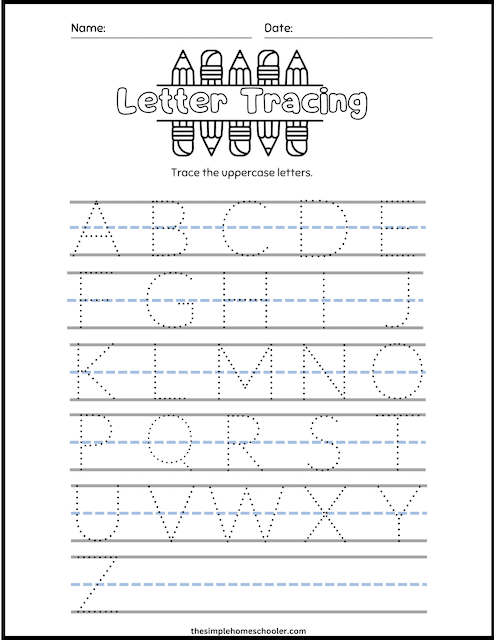
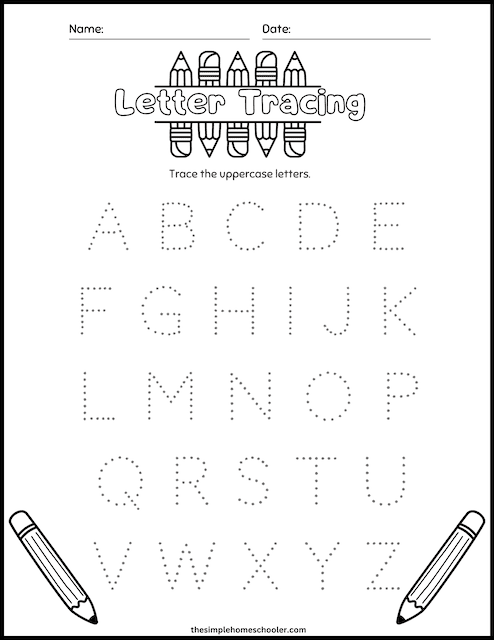
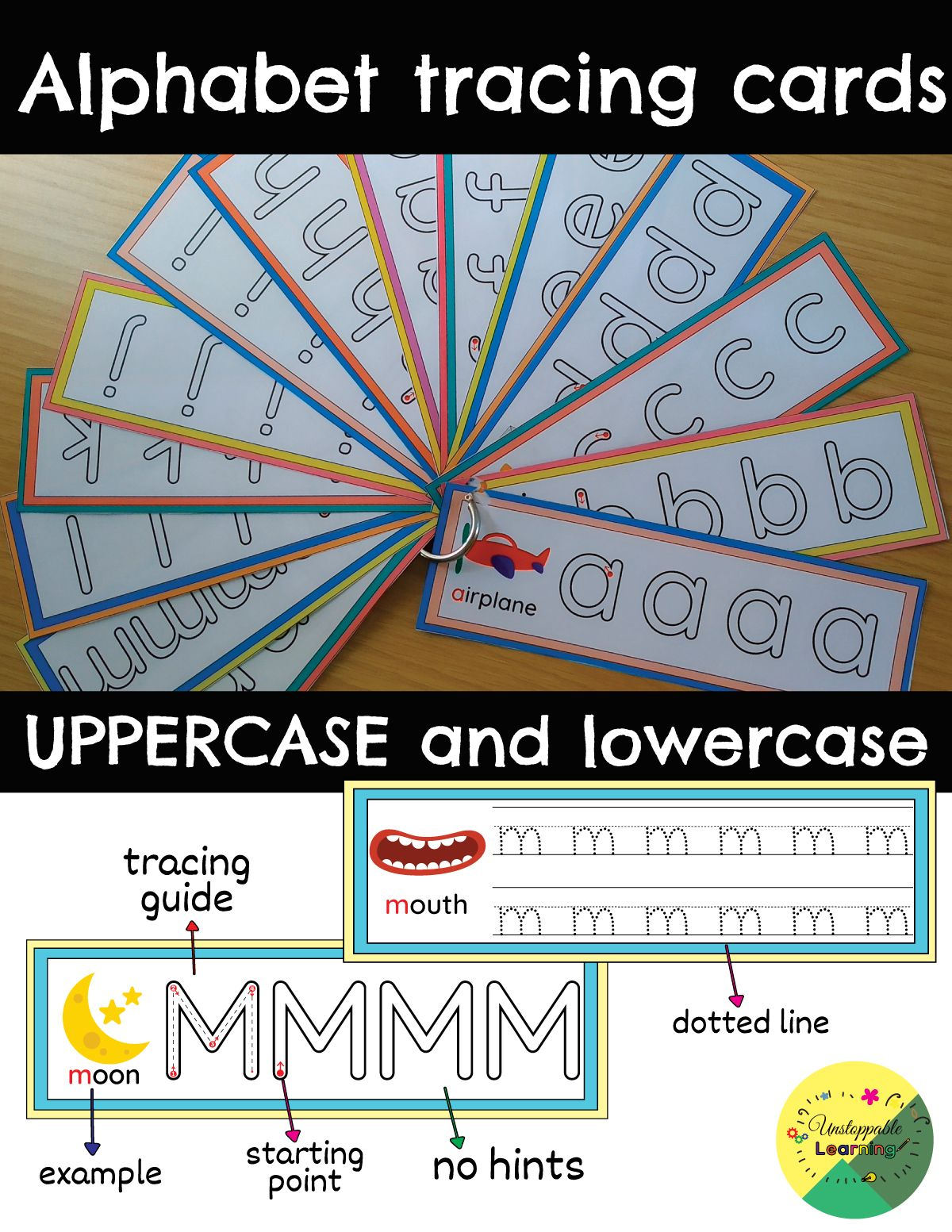
Targeting the foundational mechanics of early literacy and physical dexterity, this resource addresses the core components of reliable letter and numeral formation. Directionality and stroke order receive primary emphasis, ensuring learners establish proper movement patterns from the very beginning rather than developing stubborn, hard-to-break habits. The page guides small hands through continuous lines, distinct curves, and intersecting strokes that mirror the foundational architecture of the alphabet. Beyond simple line reproduction, the content promotes spatial awareness on the page, encouraging steady hand-eye coordination as pencils move from established starting points to clear endpoints. It also supports various early writing categories, making resources like Alphabet And Numbers Tracing and Dotted Letters For Tracing natural extensions for daily practice routines.
Key Learning Outcomes
Engaging consistently with structured tracing supports several crucial milestones in early childhood education. First, children internalize proper stroke sequences, which ultimately increases writing speed and legibility as academic demands grow in later years. Second, hand and finger muscles build vital endurance through controlled, repetitive resistance against the paper surface, an observation confirmed daily in occupational therapy clinics where core postural stability and intrinsic hand strength dictate writing ease. Third, visual-motor integration sharpens significantly as the brain translates visual cues from the page into precise hand movements. Finally, confidence blossoms as learners experience the immediate satisfaction of completing neat, recognizable shapes, laying a positive psychological foundation for future composition tasks.
How to Use This Worksheet
Success with pre-writing sheets depends heavily on the physical environment and the emotional tone set during the activity. Begin by ensuring the seating arrangement promotes good posture, with feet flat on the floor and the table height resting right at elbow level. Present the printable on a flat, stable surface, and encourage a functional pencil grasp that allows the fingers to move fluidly while the wrist remains relatively stable. According to Reading Rockets, incorporating multisensory elements—such as tracing the letters in a tray of sand or salt prior to putting pencil to paper—dramatically improves letter retention and motor planning. Keep sessions brief, cheerful, and focused on quality over quantity, stopping immediately when frustration or hand fatigue sets in.
Practical Tips for Parents and Teachers
Adults can scaffold the experience effectively by sitting alongside the learner to model correct directional strokes in real-time. Use verbal cues like “start at the top, big pull down, and a little loop around” to give auditory anchors to visual motor paths. When a child struggles with hand fatigue, try breaking the page into smaller sections or swapping standard pencils for shorter, thicker crayons that naturally encourage a proper tripod grip. Extend the learning naturally by having the child trace letters found in everyday environmental print, such as street signs, cereal boxes, or favorite storybooks. For expanding skill sets beyond standard text, exploring resources like Shape and Line Tracing and Fine Motor and Pre-Writing Skills provides fantastic supplemental variety.
Age-Appropriate Recommendations
Developmental expectations must shift according to chronological age and individual physical readiness, as outlined by the CDC milestones for early childhood development. For younger toddlers and preschoolers aged two to four, the focus should remain heavily on grosser pre-writing strokes, thick writing utensils, and large-format dotted lines that allow freedom of movement without demanding excessive fine motor precision. Children in the five-to-eight age bracket, operating under frameworks like Common Core ELA standard L.K.1.a, are ready to focus on crisp letter formation, correct lowercase and uppercase proportionality, and proper baseline placement. Tailoring expectations to these distinct developmental windows prevents unnecessary frustration and protects the natural joy of early learning.
Early writing development relies fundamentally on play-based, meaningful engagement rather than rote drill and practice. — National Association for the Education of Young Children (NAEYC)
Frequently Asked Questions
Answers to common questions regarding implementation help ensure a smooth, productive learning experience for every child.
Explore More Free Printable Tracing Worksheets
Supporting a young writer’s journey requires a diverse library of tools that can adapt to changing interests and developing skill levels. Whether a child needs extra practice with curved lines, number sequencing, or thematic seasonal concepts, having immediate access to quality printables makes all the difference. Explore the complete collection of free resources available across KidTraces.com to find everything required for fostering lifelong writing confidence. Additional targeted practice can also be found within the dedicated categories for Word and Name Tracing and Tracing Worksheets.
Developmental Milestone & Activity Table
| Development Stage | Recommended Daily Duration | Primary Learning Objective |
|---|---|---|
| Preschool & Pre-K | 10 – 15 Minutes | Pencil grip development & basic pre-stroke lines |
| Kindergarten | 15 – 20 Minutes | Letter/number formation & spatial line awareness |
| Early Elementary (Grade 1–2) | 20 – 30 Minutes | Fluency, sentence construction & neatness |
Images References