Introduction
Many children recognize letters, shapes, and patterns long before their fine motor skills can consistently form them on paper. According to the American Occupational Therapy Association, foundational hand strength and dexterity are prerequisites for successful pencil control and classroom writing tasks. Bridging this gap requires engaging, low-pressure activities that build muscle memory without causing frustration. Seasonal activities provide a natural hook for young learners who might otherwise resist traditional desk work. That is why the winter mittens tracing printable serves as an invaluable tool for early childhood classrooms and home learning environments alike.
💡 Educational Key Takeaways:
- Core Skill: Structured Winter Mittens Tracing focused on developing pencil grip, stroke control, and early literacy/math confidence.
- Target Scope: Suited for homeschoolers, preschool, kindergarten, and elementary learners.
- Best Recommendation: Practice 10–15 minutes daily with ergonomic writing tools to reinforce muscle memory without hand fatigue.
What This Worksheet Covers
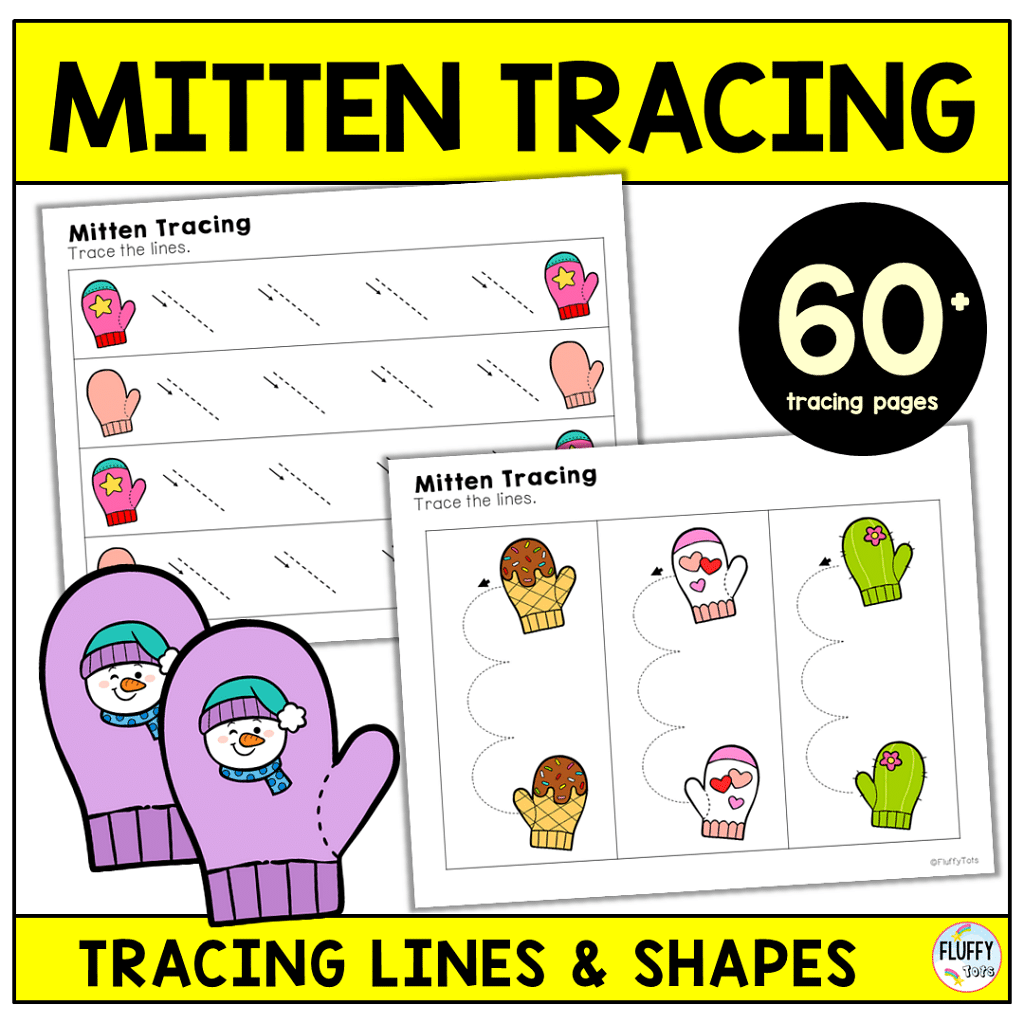
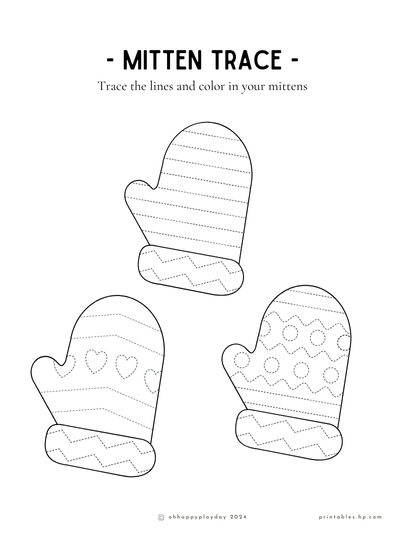
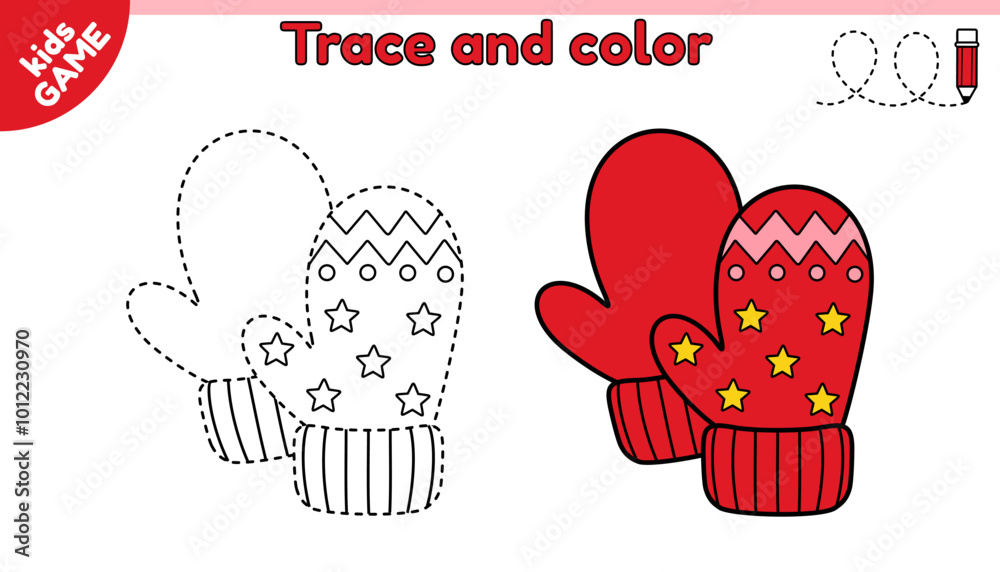
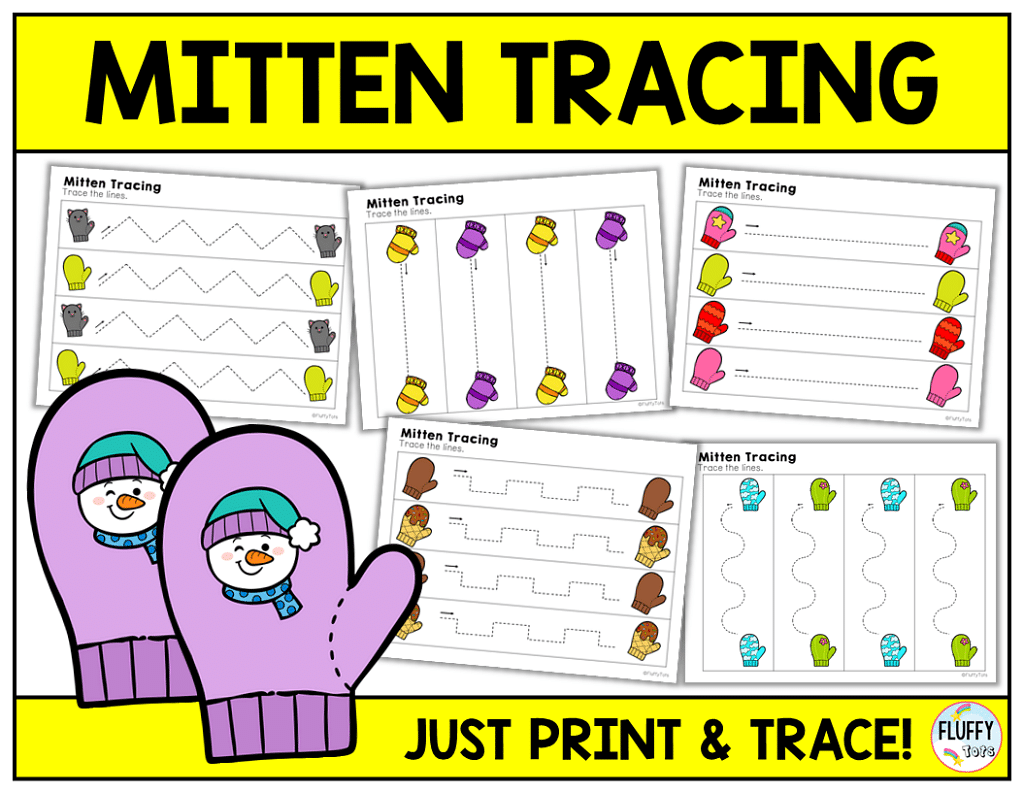
This specific printable focuses on essential pre-writing strokes, directional control, and bilateral coordination through themed visual paths. The design incorporates distinct line patterns, ranging from gentle horizontal waves to zig-zags and loops reminiscent of cozy winter wear. Children trace along the dotted paths from one side of the mitten to the other, practicing the precise hand-eye coordination required for future letter formation. Beyond simple line control, the layout introduces spatial awareness as little hands learn to stay within boundaries, mimicking the visual tracking needed for reading and writing lines of text.
Key Learning Outcomes
Engaging with seasonal tracing activities fosters crucial developmental milestones, including enhanced pincer grasp endurance and superior visual-motor integration. As learners guide their writing utensils along the paths, intrinsic hand muscles contract and stabilize, building the stamina necessary for longer writing sessions. Furthermore, repeated exposure to left-to-right progression reinforces natural reading habits and early literacy pathways. The structured practice embedded in these pages encourages pencil pressure modulation, teaching children how to press lightly for delicate curves and apply firmer control during straight descenders. Educators frequently incorporate these printables into broader collections of Tracing Worksheets to solidify fundamental hand movements.
How to Use This Worksheet
Successful implementation begins with setting up an ergonomic workspace where feet flat on the floor and hips at a ninety-degree angle support upper body stability. Presenting the sheet inside a clear dry-erase pocket transforms a single-use paper into a reusable surface, which instantly relieves performance anxiety for hesitant learners. Children can trace with chunky dry-erase markers first to build confidence before moving to standard pencils, crayons, or short pieces of broken chalk that naturally encourage a functional tripod grasp. Integrating sensory elements, such as placing the paper over a textured clipboard, provides tactile feedback that deepens neuromuscular learning.
Practical Tips for Parents and Teachers
Adults play a pivotal role by modeling correct grip and verbalizing directional cues like “up, down, and around” to guide the physical movement. Scaffolding the activity involves physically hand-over-hand guiding a child through the first couple of lines before fading support as muscle memory takes over. For children who master basic lines quickly, extending the challenge means asking them to trace the paths backward or use non-dominant hands to cross the developmental midline. When transitioning away from traditional tools, pairing fine motor drills with resources found under Shape and Line Tracing keeps variety high and boredom low.
Age-Appropriate Recommendations
For toddlers and preschoolers aged two to four, the focus centers on gross motor sweeps, thick primary pencils, and large continuous strokes that align with the National Association for the Education of Young Children Developmentally Appropriate Practice guidelines. At this stage, success is measured by the child’s ability to maintain contact with the page and approximate the general direction of the line. Children aged five to eight require finer control, narrower paths, and greater precision to support proper letter and numeral formation. Educators expanding instruction for older primary students often blend these activities with exercises from Seasonal and Fun Themes to maintain high engagement during winter curriculum units.
According to Reading Rockets, early pencil control and pre-writing stroke practice are foundational building blocks that directly correlate with future reading fluency and spelling accuracy. — Reading Rockets
Frequently Asked Questions
Navigating early handwriting instruction often brings up questions regarding appropriate tools, pacing, and readiness indicators. The targeted answers below address the most common inquiries from educators and caregivers seeking to maximize the developmental benefits of seasonal tracing materials.
Explore More Free Printable Tracing Worksheets
Supporting a child’s journey toward independent writing requires a diverse toolkit of engaging, developmentally appropriate resources. Beyond winter-themed exercises, exploring specialized categories helps target specific developmental gaps, whether a child needs extra practice with alphabet formation or foundational dexterity. The full library available at KidTraces.com offers comprehensive options ranging from basic strokes to complex letter sequencing. Caregivers and educators can easily curate a personalized learning path by visiting the complete collection of Fine Motor and Pre-Writing Skills to ensure every child builds a strong foundation for lifelong literacy.
Developmental Milestone & Activity Table
| Development Stage | Recommended Daily Duration | Primary Learning Objective |
|---|---|---|
| Preschool & Pre-K | 10 – 15 Minutes | Pencil grip development & basic pre-stroke lines |
| Kindergarten | 15 – 20 Minutes | Letter/number formation & spatial line awareness |
| Early Elementary (Grade 1–2) | 20 – 30 Minutes | Fluency, sentence construction & neatness |
Images References