Introduction
Many children recognize letters, shapes, and holiday symbols long before their fine motor stamina and hand muscles can actually form them on paper. According to the American Occupational Therapy Association, foundational hand strength and visual-motor integration are crucial prerequisites for successful handwriting and daily classroom tasks. A persistent gap between cognitive understanding and physical capability often leads to frustration during early writing activities. Seasonal materials bridge that gap by offering playful contexts that reduce anxiety and invite relaxed pencil movement. Integrating holiday motifs into daily routines transforms mechanical drills into engaging artistic journeys. The free printable valentine’s day tracing pictures serve this exact purpose, combining festive engagement with targeted pre-writing practice. It sounds simple, and that’s the point. When learners focus on tracing cheerful hearts, cupids, and cards, hand fatigue takes a back seat to creative exploration. This resource harnesses holiday excitement to build essential pencil control naturally and joyfully.
💡 Educational Key Takeaways:
- Core Skill: Structured Valentine’S Day Tracing Pictures focused on developing pencil grip, stroke control, and early literacy/math confidence.
- Target Scope: Suited for homeschoolers, preschool, kindergarten, and elementary learners.
- Best Recommendation: Practice 10–15 minutes daily with ergonomic writing tools to reinforce muscle memory without hand fatigue.
What This Worksheet Covers
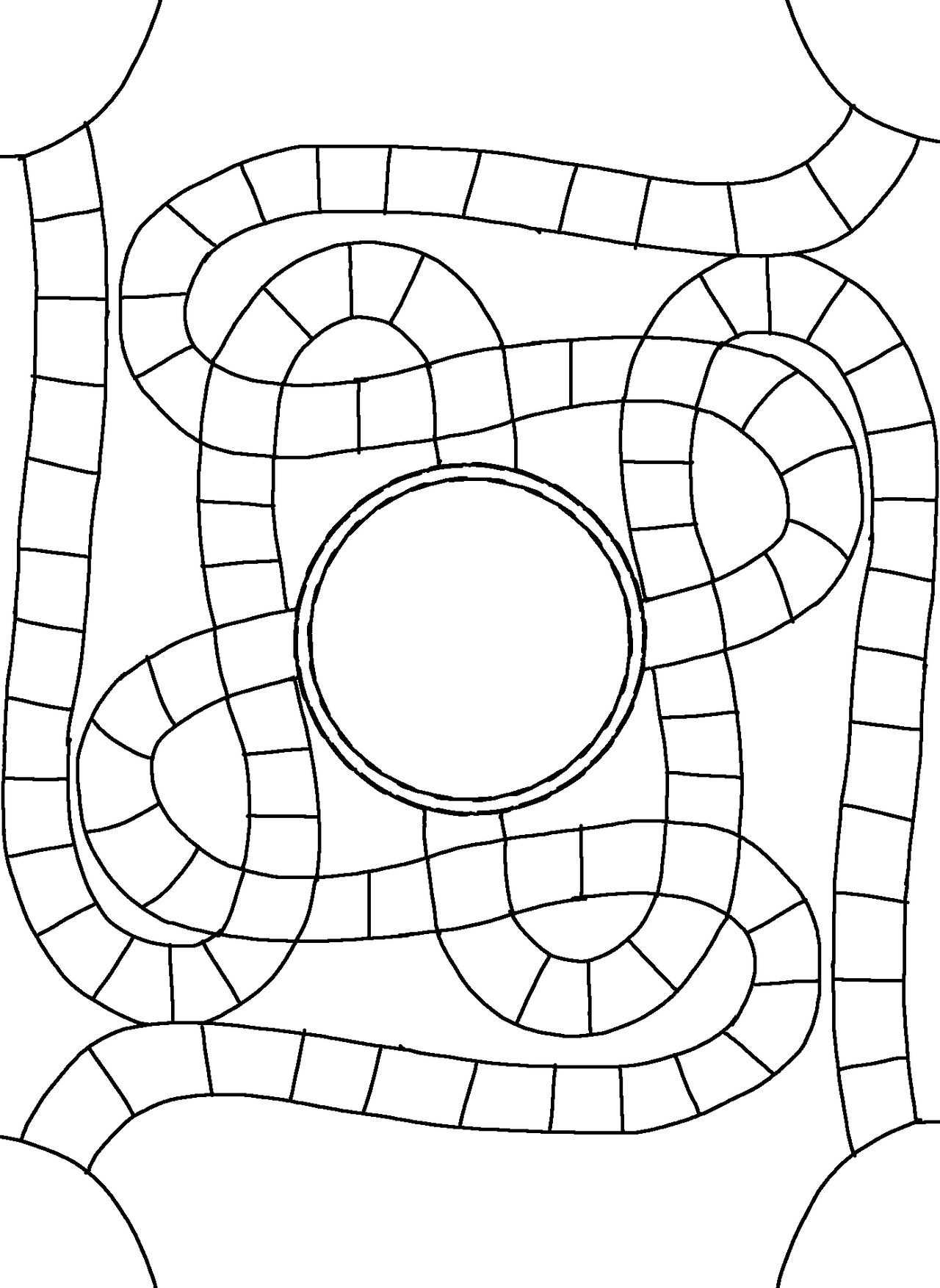
The valentine’s day tracing pictures collection focuses on building core pre-writing strokes, directional control, and visual-motor coordination through holiday-themed illustrations. Children navigate curved loops, sharp zig-zags, and continuous circular paths that mimic the foundational movements required for future letter and numeral formation. Tracing these festive shapes strengthens the small intrinsic muscles of the hand while encouraging fluid, controlled wrist and finger movements. According to Reading Rockets, early visual-motor activities significantly enhance a child’s ability to coordinate hand actions with what the eyes perceive on the page. Beyond basic motor control, these activities introduce spatial awareness, encouraging learners to start at specific visual cues and follow directional lines to completion. Educators often notice that children who struggle with abstract worksheets thrive when presented with thematic visual pathways. Each printable page targets specific developmental milestones, moving from simple continuous lines to intricate seasonal graphics that challenge growing fine motor skills.
Key Learning Outcomes
Engaging with these themed tracing sheets helps children master pencil pressure modulation, a vital skill for preventing hand cramping during longer writing tasks. Learners develop sustained visual attention as they visually track lines from left to right, supporting early reading readiness and scanning patterns. Hand-eye coordination improves dramatically as tiny fingers learn to guide a writing utensil precisely along dotted paths without veering off course. Additionally, children build bilateral coordination by stabilizing the paper with one hand while the dominant hand executes the precise tracing movements. These integrated outcomes lay a robust groundwork that connects directly to more specialized practice found within Shape and Line Tracing collections.
How to Use This Worksheet
Successful implementation begins with setting up an ergonomic workspace where feet rest flat on the floor and the table sits slightly below elbow height. Introduce the valentine’s day tracing pictures during morning centers, quiet times, or small group occupational therapy sessions to maximize focus and minimize distractions. Adults can encourage tracing from top to bottom and left to right, reinforcing natural reading and writing directions from an early age. If a child resists traditional pencils, swap them out for broken crayons, scented markers, or colored pencils to reignite interest and adjust tactile feedback. It is normal for young hands to tire quickly, so keep sessions short and praise effort rather than absolute precision along every single dotted line.
Practical Tips for Parents and Teachers
Here’s what makes this worksheet different: it adapts easily to various skill levels through simple environmental modifications. Model an efficient tripod or quadrupod grasp by demonstrating how the thumb, index, and middle fingers work together to steer the writing tool. Scaffold the activity for younger learners by lightly tracing the lines with a yellow highlighter first, giving the child a visible path to follow. Extend the challenge for older preschoolers by encouraging them to color the completed pictures independently, utilizing the same hand muscles for shading and detail work. To make the resource reusable throughout February, slip the pages inside heavy-duty plastic dry-erase pockets and provide fine-tip dry-erase markers. Transitioning from these thematic activities into structured exercises becomes seamless when exploring Seasonal and Fun Themes for ongoing classroom motivation.
Age-Appropriate Recommendations
For toddlers and younger preschoolers aged two to four, alignment with the NAEYC Developmentally Appropriate Practice emphasizes process over product, focusing on gross lines, simple curves, and sensory exploration rather than perfection. Children in this age bracket benefit from thicker writing utensils and larger tracing paths that accommodate developing hand-eye coordination. Older children aged five to eight require more refined challenges, such as continuous loops and intricate holiday outlines that refine wrist stability and pencil control in alignment with foundational school readiness standards. Matching the complexity of the tracing path to the child’s current motor age prevents frustration and builds authentic writing confidence. When learners master these intermediate strokes, they can easily progress toward targeted literacy tasks available through Fine Motor and Pre-Writing Skills resources.
Foundational hand strength and visual-motor integration are crucial prerequisites for successful handwriting and daily classroom tasks. — American Occupational Therapy Association
Frequently Asked Questions
Explore More Free Printable Tracing Worksheets
Supporting a young learner’s journey requires a diverse toolkit of engaging, developmentally sound materials that grow alongside changing abilities. The complete library at KidTraces.com offers an extensive variety of printable resources designed by educators and specialists to foster lifelong writing confidence. Caregivers and teachers can easily locate targeted practice pages by browsing the comprehensive archives, including specialized letter formation paths found in Dotted Letters For Tracing. Every printable is crafted to make learning joyful, accessible, and pedagogically effective for children everywhere.
Developmental Milestone & Activity Table
| Development Stage | Recommended Daily Duration | Primary Learning Objective |
|---|---|---|
| Preschool & Pre-K | 10 – 15 Minutes | Pencil grip development & basic pre-stroke lines |
| Kindergarten | 15 – 20 Minutes | Letter/number formation & spatial line awareness |
| Early Elementary (Grade 1–2) | 20 – 30 Minutes | Fluency, sentence construction & neatness |
Images References


