Introduction
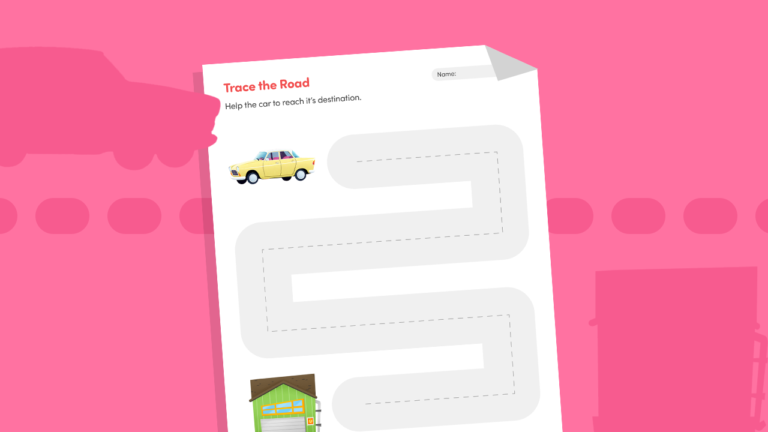
Many children recognize letters and symbols long before their fine motor control allows them to form them on paper. According to the American Occupational Therapy Association, foundational hand strength and visual-motor integration must develop steadily before fluent pencil control emerges. Children often struggle to bridge the gap between cognitive understanding and physical execution. Engagement becomes the primary hurdle when young learners encounter repetitive writing drills that feel tedious. Injecting high-interest motifs into daily practice changes the dynamic entirely. The free printable tracing lines worksheets car theme basic offer a direct pathway to purposeful pencil control. By transforming traditional pre-writing strokes into roadways, race tracks, and journey paths, these printables capture children’s natural fascination with vehicles. They turn motor skill development into an interactive driving game where pencils act as race cars navigating the track.
💡 Educational Key Takeaways:
- Core Skill: Structured Tracing Lines Worksheets Car Theme Basic focused on developing pencil grip, stroke control, and early literacy/math confidence.
- Target Scope: Suited for homeschoolers, preschool, kindergarten, and elementary learners.
- Best Recommendation: Practice 10–15 minutes daily with ergonomic writing tools to reinforce muscle memory without hand fatigue.
What This Worksheet Covers
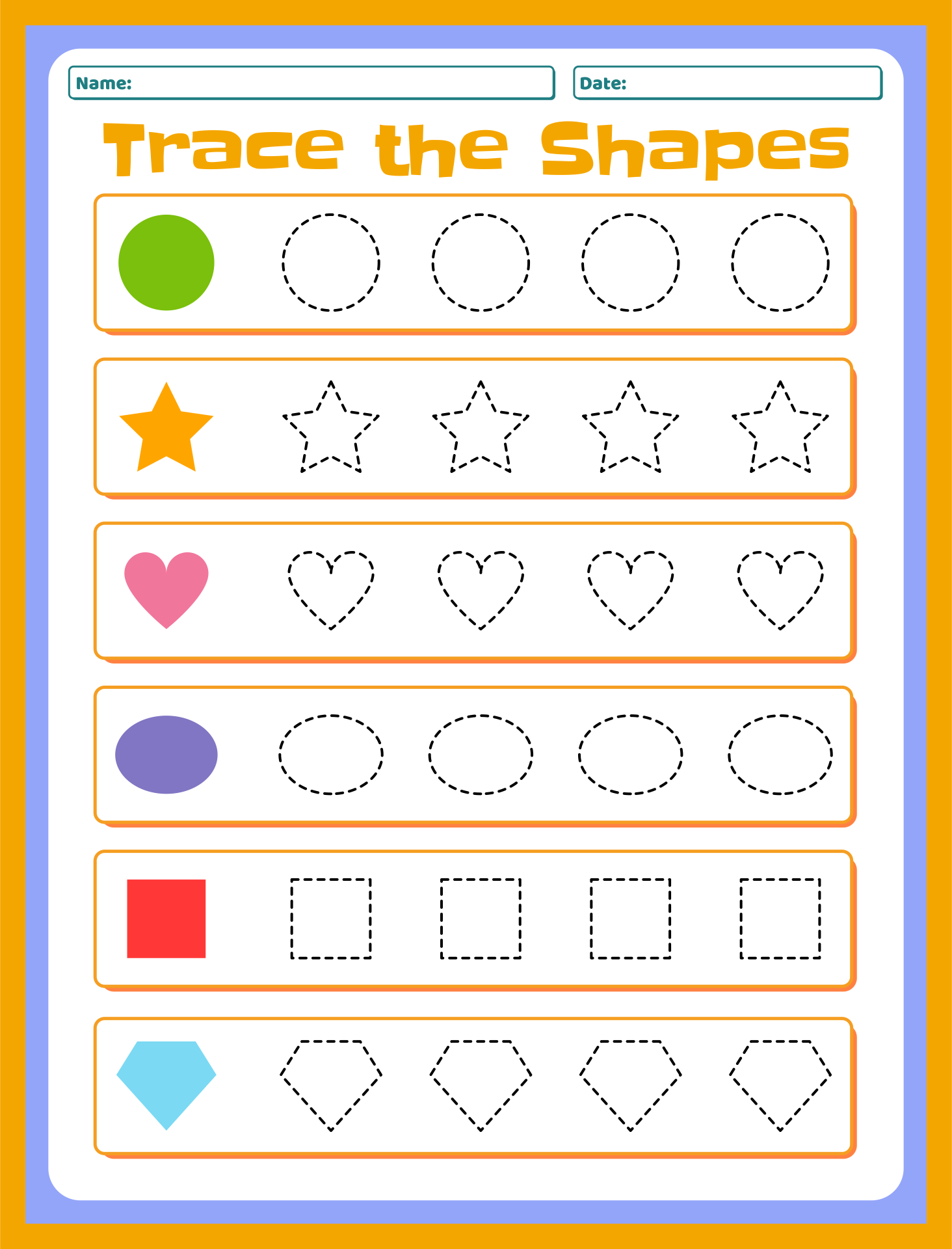
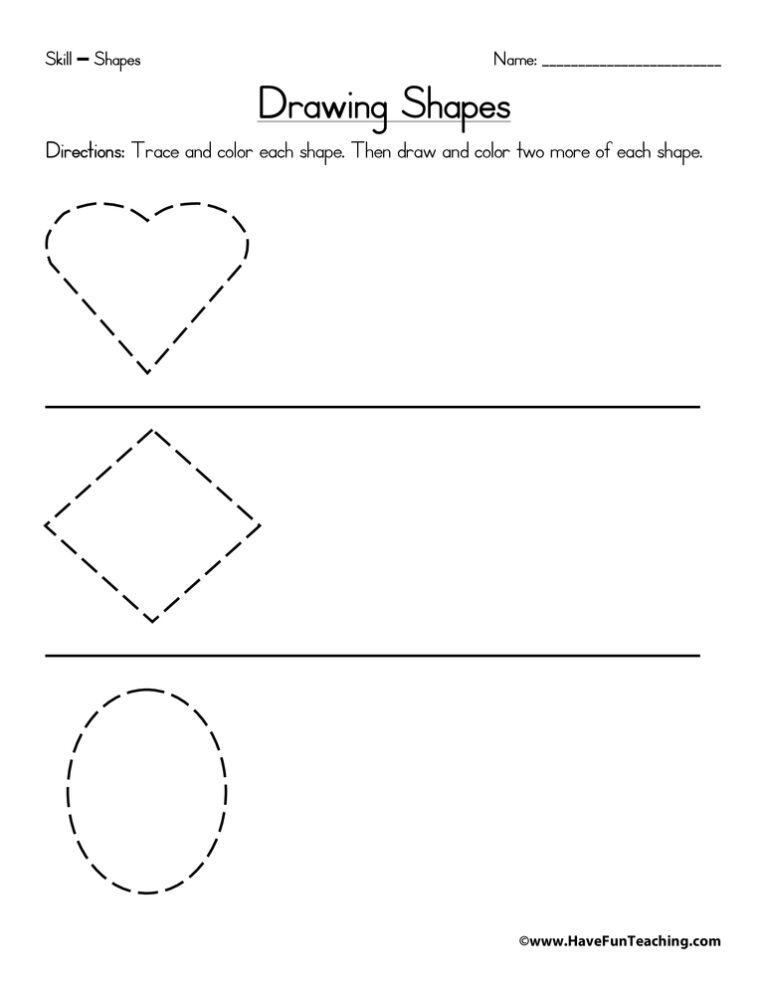
Building competent writers requires systematic exposure to fundamental pre-writing strokes. Children must master vertical, horizontal, diagonal, and curved lines before attempting complex letter formations. This resource targets these foundational strokes through progressive layouts designed specifically for early learners. Vehicles positioned at the start of each track encourage directional movement from left to right, which directly supports early reading and writing orientation. Simple straight tracks transition smoothly into wavy roads, zigzag mountain passes, and looping loops. Every page challenges small hands to modulate muscle tension, maintain consistent pressure, and adjust wrist angles. Developing these foundational capacities relies heavily on structured resources found throughout the Shape and Line Tracing collection.
Key Learning Outcomes
Purposeful engagement with transportation-themed pre-writing pages yields measurable developmental gains across several domains. Learners strengthen the small intrinsic muscles of the hand, which reduces fatigue during longer writing tasks. Visual-motor integration improves as eyes guide the hand to stay securely between the printed road boundaries. Directionality becomes ingrained through repeated left-to-right progression along the vehicular tracks. Children also build bilateral coordination because one hand stabilizes the paper while the dominant hand maneuvers the writing utensil. These integrated physical skills align closely with broader fine motor milestones documented within the Fine Motor and Pre-Writing Skills archive, ensuring children build a well-rounded foundation for future academic success.
How to Use This Worksheet
Maximizing the benefits of these printable pages requires more than simply handing a child a pencil. Adults should encourage a functional grasp where the pencil rests comfortably against the side of the middle finger while thumb and index fingers pinch the barrel. Children benefit from verbal prompts that connect pencil movement to the theme, such as encouraging the race car to drive smoothly around a sharp curve without crashing into the guardrails. Starting with thicker writing tools like crayons or short markers provides greater resistance and sensory feedback for younger hands. As control improves, transitioning to standard pencils or colored pencils refines precision. Educators frequently expand these motor exercises by placing printables inside heavy-duty plastic sleeves and letting children trace the lines with dry-erase markers or small toy cars.
Practical Tips for Parents and Teachers
Scaffolding instruction ensures that children experience success without frustration. If a learner struggles to complete an entire wavy line, adults can place small tactile stickers along the path as checkpoints for the toy car to visit. Modeling the correct stroke direction before letting the child try independently prevents the formation of poor habits. Breaking practice sessions into short, five-minute intervals maintains high engagement levels and protects developing hand muscles from cramping. When children demonstrate fatigue by slumping or shifting their grip awkwardly, ending the activity immediately prevents negative associations with writing. Educators often pair these motor drills with broader thematic units found in the Seasonal and Fun Themes section to keep enthusiasm exceptionally high throughout the school week.
Age-Appropriate Recommendations
Developmental readiness dictates how children interact with pre-writing materials. According to the National Association for the Education of Young Children guidelines on developmentally appropriate practice, two- to four-year-olds thrive on gross and fine motor exploration using thick horizontal and vertical lines, which match the simpler layouts in this collection. Children ages five to eight require more advanced diagonal lines, intersecting paths, and precise curves that mimic letter formation requirements. Teachers can easily adapt the tracing lines worksheets car theme basic to suit varying developmental stages by adjusting writing utensils and expectations. Simple vertical straight lines suit toddlers beginning their journey, while intricate loops challenge kindergarten and first-grade students refining their spatial awareness.
Foundational hand strength and visual-motor integration must develop steadily before fluent pencil control emerges. — American Occupational Therapy Association
Frequently Asked Questions
Parents and educators frequently ask practical questions about implementing these printable motor resources effectively. Clear answers help streamline preparation and ensure optimal developmental outcomes for every young learner.
Explore More Free Printable Tracing Worksheets
Supporting a young writer involves offering a rich variety of engaging practice materials over time. Children respond well to fresh layouts that present familiar challenges in new contexts, keeping boredom at bay while reinforcing core competencies. Adults seeking to expand their collection of developmental tools will find a comprehensive assortment of resources ready for classroom or home use. Exploring the entire library at KidTraces.com provides instant access to hundreds of thoughtfully designed printables that nurture early literacy, pencil control, and fine motor precision.
Developmental Milestone & Activity Table
| Development Stage | Recommended Daily Duration | Primary Learning Objective |
|---|---|---|
| Preschool & Pre-K | 10 – 15 Minutes | Pencil grip development & basic pre-stroke lines |
| Kindergarten | 15 – 20 Minutes | Letter/number formation & spatial line awareness |
| Early Elementary (Grade 1–2) | 20 – 30 Minutes | Fluency, sentence construction & neatness |
Images References