Introduction
Many children recognize letters, numbers, and symbols long before their fine motor systems possess the physical strength and dexterity required to form them on paper. According to the American Occupational Therapy Association, foundational fine motor control, including proximal stability and refined hand arches, is essential for developing efficient pencil manipulation and functional writing skills. This developmental gap often frustrates eager learners who want to write but struggle with the physical demands of pencil control. Engaging pre-writing materials bridge this gap by transforming foundational strokes into playful journeys. The free printable tracing lines space themed resource uses an exciting celestial adventure to capture interest while systematically building the precise hand-eye coordination necessary for future literacy milestones.
💡 Educational Key Takeaways:
- Core Skill: Structured Tracing Lines Space Themed focused on developing pencil grip, stroke control, and early literacy/math confidence.
- Target Scope: Suited for homeschoolers, preschool, kindergarten, and elementary learners.
- Best Recommendation: Practice 10–15 minutes daily with ergonomic writing tools to reinforce muscle memory without hand fatigue.
What This Worksheet Covers
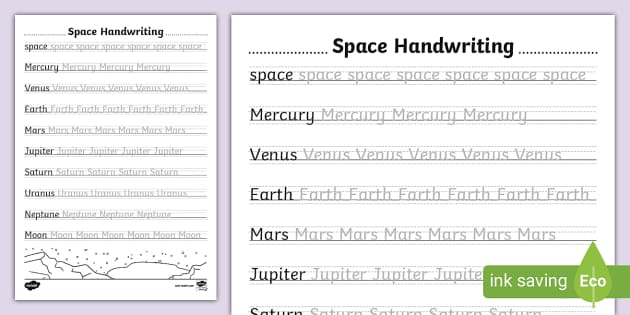
This targeted educational printout focuses entirely on foundational stroke mastery through an engaging cosmic lens. Rockets blast off along vertical ascents, shooting stars loop in continuous curves, and playful astronauts navigate dotted zigzags through the Milky Way. Instead of repetitive drills on blank paper, the layout invites young learners to guide tiny spaceships back to Earth or map out flight paths between distant planets. Each stroke type targets a specific muscle movement required for letter formation, moving from simple horizontal paths to complex diagonal intersections and rolling waves. For more related activities, check out our Pom Pom Tracing Shapes.
Key Learning Outcomes
Working through these cosmic paths develops essential visual-motor integration, teaching hands to follow visual cues smoothly across a page. Children refine pencil pressure control as they transition from light celestial dust paths to bold planetary rings. Crossing the visual midline becomes second nature as little hands sweep continuously from left to right across the landscape, laying crucial groundwork for reading and writing fluency. Furthermore, executing consistent directional sweeps strengthens the intrinsic muscles of the hand, which directly supports the development of a functional dynamic tripod grip. Exploring these patterns also ties into broader early concepts found across Shape and Line Tracing collections.
How to Use This Worksheet
Success with pre-writing pages relies heavily on environmental setup and low-pressure engagement. Begin by placing the sheet on a slightly slanted surface or a vertical easel to naturally promote wrist extension and an upright posture. Encourage children to trace the paths with a clean index finger first, building tactile and kinesthetic memory before introducing a writing utensil. When transitioning to markers or pencils, allow for natural exploration while gently guiding the hand toward a relaxed grasp rather than a tight, fist-like grip.
Practical Tips for Parents and Teachers
Adults play a powerful scaffolding role during early writing sessions by modeling how to start at the rocket launchpad and finish safely at the landing zone. It helps to narrate the movement out loud, using fun sound effects like swoosh for curves or zoom for straight vertical climbs to keep attention high. For children who tire quickly, slip the sheet inside a clear plastic sleeve and use dry-erase markers to reduce resistance and encourage playful repetition. Educators and caregivers can easily expand this activity into broader physical play by having learners physically hop along tape lines on the floor that mirror the exact patterns found on the paper, bridging gross and fine motor domains seamlessly.
Age-Appropriate Recommendations
According to the National Association for the Education of Young Children guidelines on developmentally appropriate practice, two- and three-year-olds benefit most from large, gross-motor lines and continuous vertical or horizontal strokes. For toddlers and young preschoolers, keep the focus on sensory exploration, using thick crayons or finger paints directly on the page. Kindergarteners and early elementary students aged five to eight, operating within the scope of Handwriting Without Tears developmental progressions, are ready to refine diagonal lines, intersecting crosses, and complex looping curves. At this older stage, encourage slower, deliberate pencil control, ensuring proper starting points and steady left-to-right directional habits that translate directly into cleaner handwriting.
Proficiency in pre-writing line control strongly correlates with early letter formation accuracy and overall writing speed in kindergarten and first grade. — Reading Rockets
Frequently Asked Questions
Caregivers often wonder how best to integrate these sheets into daily routines without overwhelming young learners. Clear answers regarding accessibility, skill building, and developmental milestones help ensure every child gets the most out of their tracing practice.
Explore More Free Printable Tracing Worksheets
Continuing a child’s developmental journey involves offering a wide variety of engaging, low-stress practice materials that grow alongside their abilities. Beyond cosmic adventures, learners can explore exciting paths within Fine Motor and Pre-Writing Skills to build hand strength and dexterity. For older children ready to tackle early literacy milestones, targeted practice is always available through Dotted Letters For Tracing. Every child deserves access to high-quality resources that make learning feel like play, which is why parents, teachers, and homeschoolers are invited to browse the entire collection available at KidTraces.com to support continuous growth.
Developmental Milestone & Activity Table
| Development Stage | Recommended Daily Duration | Primary Learning Objective |
|---|---|---|
| Preschool & Pre-K | 10 – 15 Minutes | Pencil grip development & basic pre-stroke lines |
| Kindergarten | 15 – 20 Minutes | Letter/number formation & spatial line awareness |
| Early Elementary (Grade 1–2) | 20 – 30 Minutes | Fluency, sentence construction & neatness |
Images References