Introduction
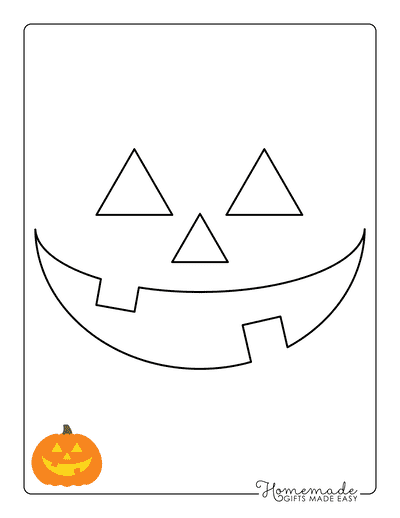
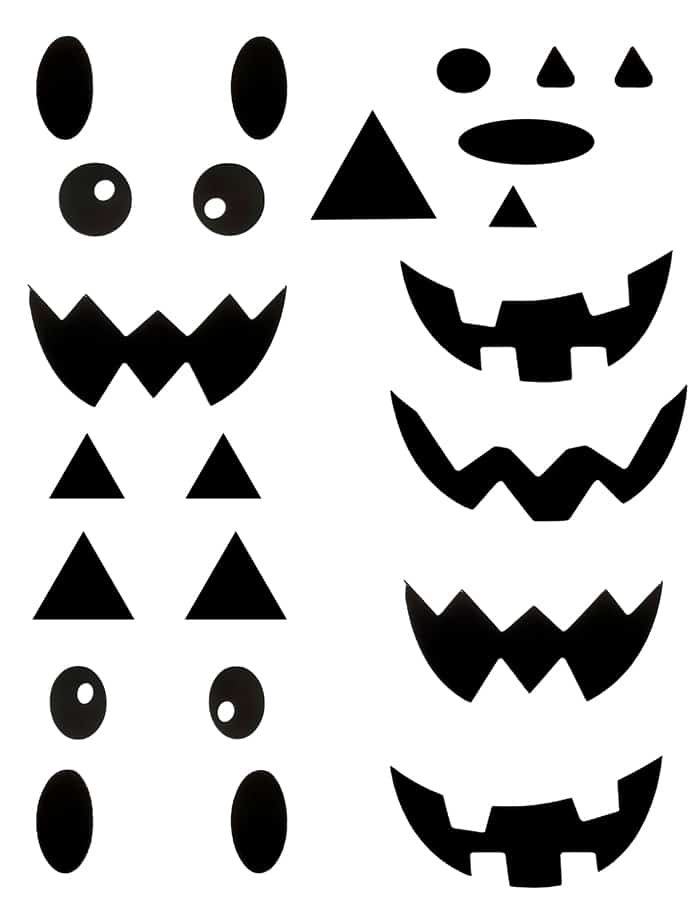
Many children recognize letters, shapes, and festive symbols long before their fine motor coordination and hand strength are fully equipped to form those lines independently. According to the American Occupational Therapy Association, foundational hand strength and pencil control develop progressively through purposeful manipulation of everyday tools and early pre-writing experiences. Educators and therapists often observe the frustration that arises when cognitive understanding outpaces physical capability. Seasonal practice bridges this gap by introducing foundational control through engaging imagery. The preschool traceable jack o lantern faces provide a playful, low-pressure avenue for young learners to build essential hand-eye coordination. It sounds simple, and that’s the point. By turning simple geometric curves and intersecting lines into spooky expressions, children forget they are building hand endurance and focus entirely on creating a friendly autumn character.
💡 Educational Key Takeaways:
- Core Skill: Structured Preschool Traceable Jack O Lantern Faces focused on developing pencil grip, stroke control, and early literacy/math confidence.
- Target Scope: Suited for homeschoolers, preschool, kindergarten, and elementary learners.
- Best Recommendation: Practice 10–15 minutes daily with ergonomic writing tools to reinforce muscle memory without hand fatigue.
What This Worksheet Covers
Tracing complex seasonal illustrations requires a unique blend of visual-motor integration and spatial awareness that standard linear drills often miss. When children trace the curved smiles, triangular eyes, and jagged stitches of pumpkin features, hands navigate unexpected directional changes. This movement demands fluid transitions between horizontal lines, vertical slants, and enclosed circular shapes. Working through these distinct paths challenges the small muscles of the hand to make continuous micro-adjustments in pressure and speed. Furthermore, engaging with Seasonal and Fun Themes maintains high motivation during crucial developmental windows where attention spans naturally fluctuate. Each pumpkin outline serves as a mini-map for pencil control, allowing learners to practice starting points, directional flow, and stopping mechanics without the pressure of traditional alphabet repetition.
Key Learning Outcomes
Children engaging with these guided tracing sheets develop superior visual-motor integration by connecting what the eyes see with precise hand movements. Hand strength and endurance improve noticeably as tiny fingers maintain an efficient grasp along unpredictable contours and jagged lines. Spatial planning also receives a significant boost because learners must anticipate curves and corners before their pencils arrive at them, reducing heavy erasing and hand fatigue. According to the National Association for the Education of Young Children, active participation in hands-on graphical activities during early childhood lays the vital groundwork for later symbol and letter formation. Finally, bilateral coordination strengthens as the non-dominant hand stabilizes the paper while the dominant hand executes controlled, fluid strokes across the page. For more related activities, check out our Tracing Working At The Basketball Game.
How to Use This Worksheet
Introducing holiday-themed tracing pages works best when integrated naturally into daily centers or quiet afternoon routines without turning the activity into a rigid test. Adults can set the stage by laminating the sheets or sliding them into clear plastic sleeves for repeated dry-erase marker practice, which reduces paper waste and lowers the stakes for perfection. Positioning the writing surface on a slight vertical slant using an inclined board promotes a natural wrist extension, instantly encouraging a more mature tripod or quadripod pencil grasp. Encouraging children to verbalize the shapes they trace—such as saying “triangle, triangle, big curved smile”—reinforces cognitive mapping alongside physical execution. It is often helpful to let children color the finished pumpkins with crayons afterward, as the broader friction of crayons offers wonderful tactile feedback that complements precise pencil work.
Practical Tips for Parents and Teachers
Scaffolding the experience properly means observing how a child approaches the page before stepping in with physical corrections. Adults should model correct grip mechanics on a separate sheet nearby rather than forcing fingers into position, allowing the child to mimic natural hand placement voluntarily. Short, frequent sessions lasting no longer than five to ten minutes yield far better results than long, exhausting drills that lead to hand cramping and negative associations with writing. When a child struggles with a particularly jagged jack-o’-lantern smile, gently guiding their hand through the first repetition builds muscle memory and boosts confidence for independent attempts. Celebrating the effort put into controlling the pencil matters infinitely more than whether the marker stays entirely inside the dotted boundaries.
Age-Appropriate Recommendations
Aligning developmental expectations with established frameworks ensures that tracing remains an enjoyable, pressure-free learning tool. According to the CDC developmental milestones, children around ages two to four typically begin drawing vertical and horizontal lines, making simple shapes and large horizontal pumpkin outlines an ideal starting point for this group. Older children ages five to eight, operating within the expectations of the Common Core standards for writing readiness, benefit from refining precise stroke control, managing intricate facial details, and maintaining steady pressure across complex geometric patterns. Recognizing these distinct developmental tiers helps adults tailor expectations so that younger toddlers focus purely on tactile exploration while older preschoolers and early elementary students polish spatial precision and fine motor endurance.
Foundational hand strength and pencil control develop progressively through purposeful manipulation of everyday tools and early pre-writing experiences. — American Occupational Therapy Association
Frequently Asked Questions
Common questions regarding downloading, printing, and utilizing these festive resources often center around maximizing engagement and proper skill application. Clear answers help caregivers make the most of every printable experience.
Explore More Free Printable Tracing Worksheets
Expanding a child’s fine motor toolkit goes far beyond a single holiday, requiring a diverse library of resources to maintain interest throughout the entire school year. Exploring options dedicated to Shape and Line Tracing provides wonderful continuity for children mastering basic pre-writing strokes. Additional practice can be found by browsing through Fine Motor and Pre-Writing Skills to support foundational muscle development across various themes. Discovering the complete collection of educational materials available at KidTraces.com ensures that parents, teachers, and homeschoolers always have fresh, engaging, and developmentally appropriate tools ready for every stage of learning. Get it free.
Developmental Milestone & Activity Table
| Development Stage | Recommended Daily Duration | Primary Learning Objective |
|---|---|---|
| Preschool & Pre-K | 10 – 15 Minutes | Pencil grip development & basic pre-stroke lines |
| Kindergarten | 15 – 20 Minutes | Letter/number formation & spatial line awareness |
| Early Elementary (Grade 1–2) | 20 – 30 Minutes | Fluency, sentence construction & neatness |
Images References