Introduction
Many children recognize letters, shapes, and complex symbols long before their fine motor coordination and hand strength allow them to successfully form those same marks on paper. According to the American Occupational Therapy Association, foundational fine motor control and tactile exploration are essential precursors to functional handwriting and academic success. Translating visual understanding into physical pen-and-paper control requires consistent practice with targeted pencil strokes and hand-eye coordination. Engaging children through imaginative play helps bridge this developmental gap, turning repetitive coordination drills into an exciting quest. Free printable dragon pictures for tracing offer a captivating thematic approach, capturing youthful attention while cultivating the foundational hand strength required for future writing fluency.
💡 Educational Key Takeaways:
- Core Skill: Structured Dragon Pictures For Tracing focused on developing pencil grip, stroke control, and early literacy/math confidence.
- Target Scope: Suited for homeschoolers, preschool, kindergarten, and elementary learners.
- Best Recommendation: Practice 10–15 minutes daily with ergonomic writing tools to reinforce muscle memory without hand fatigue.
What This Worksheet Covers
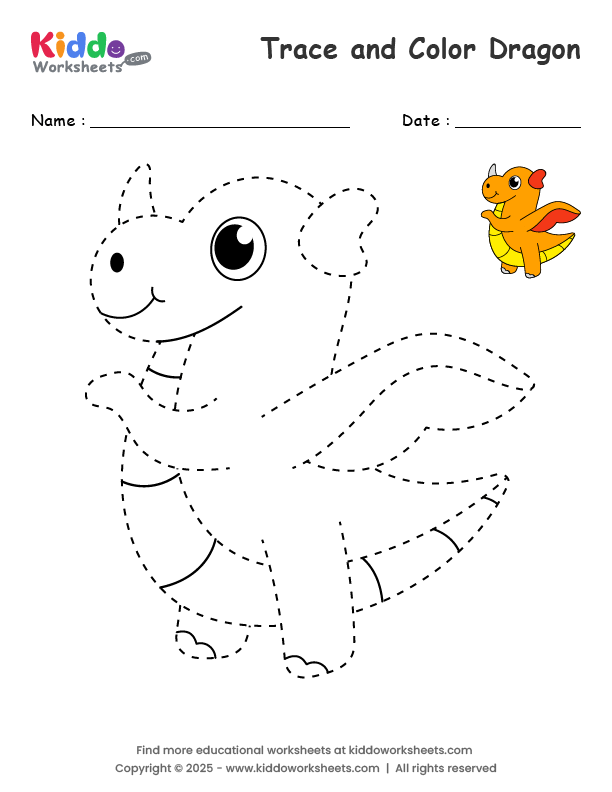
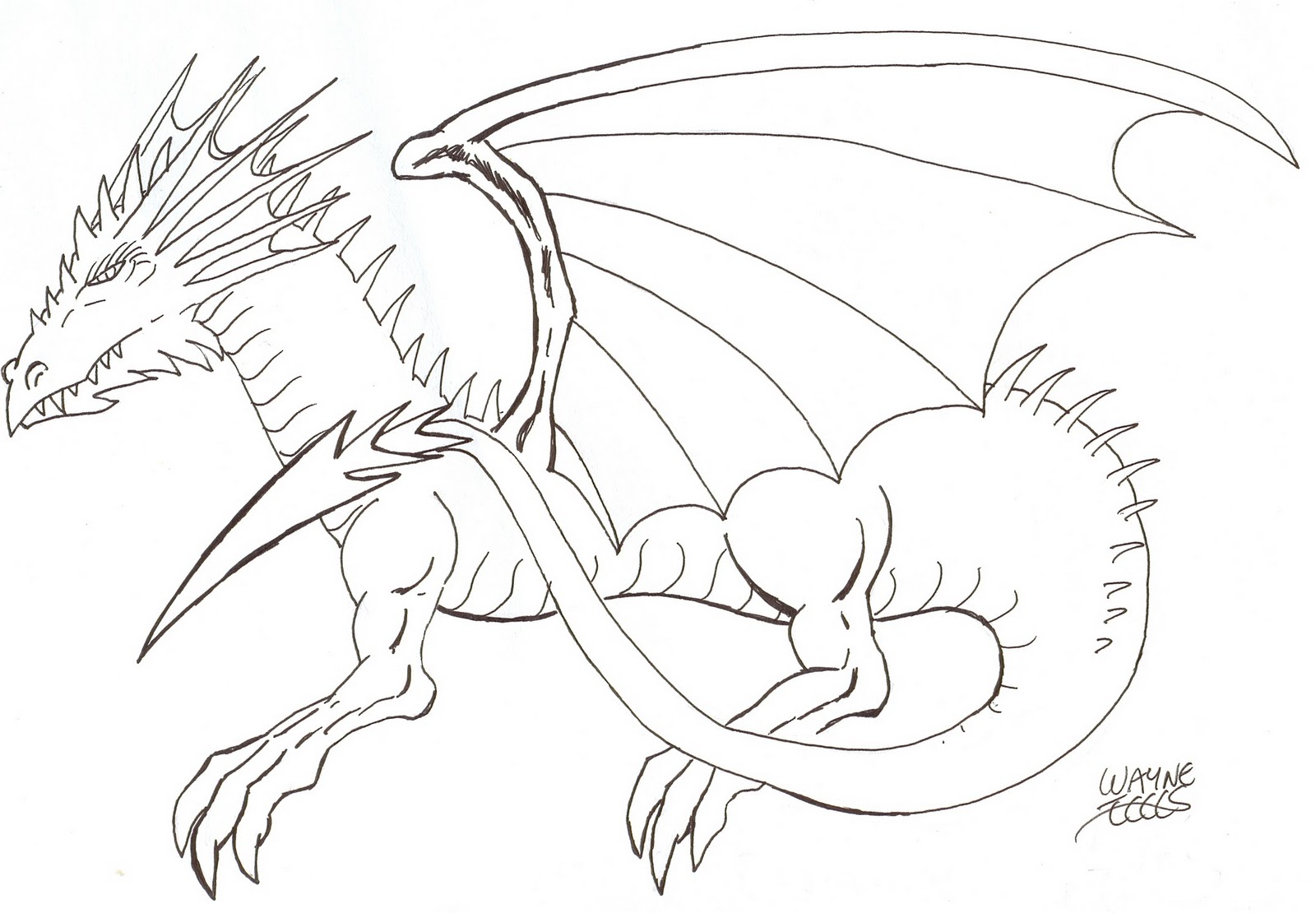
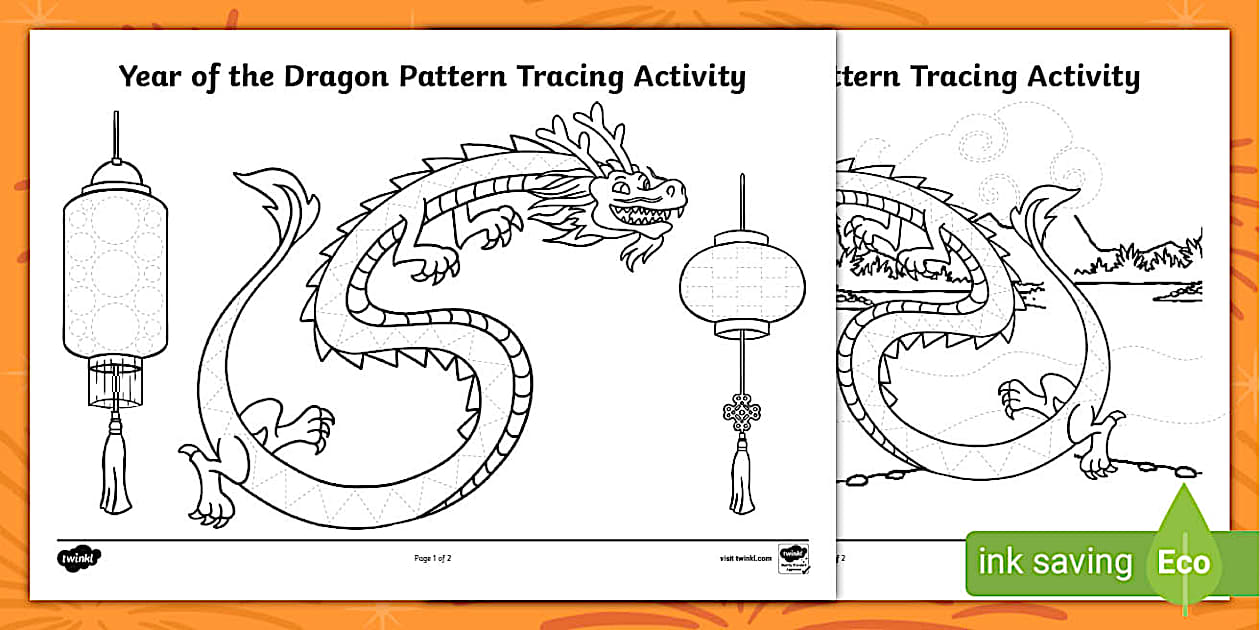
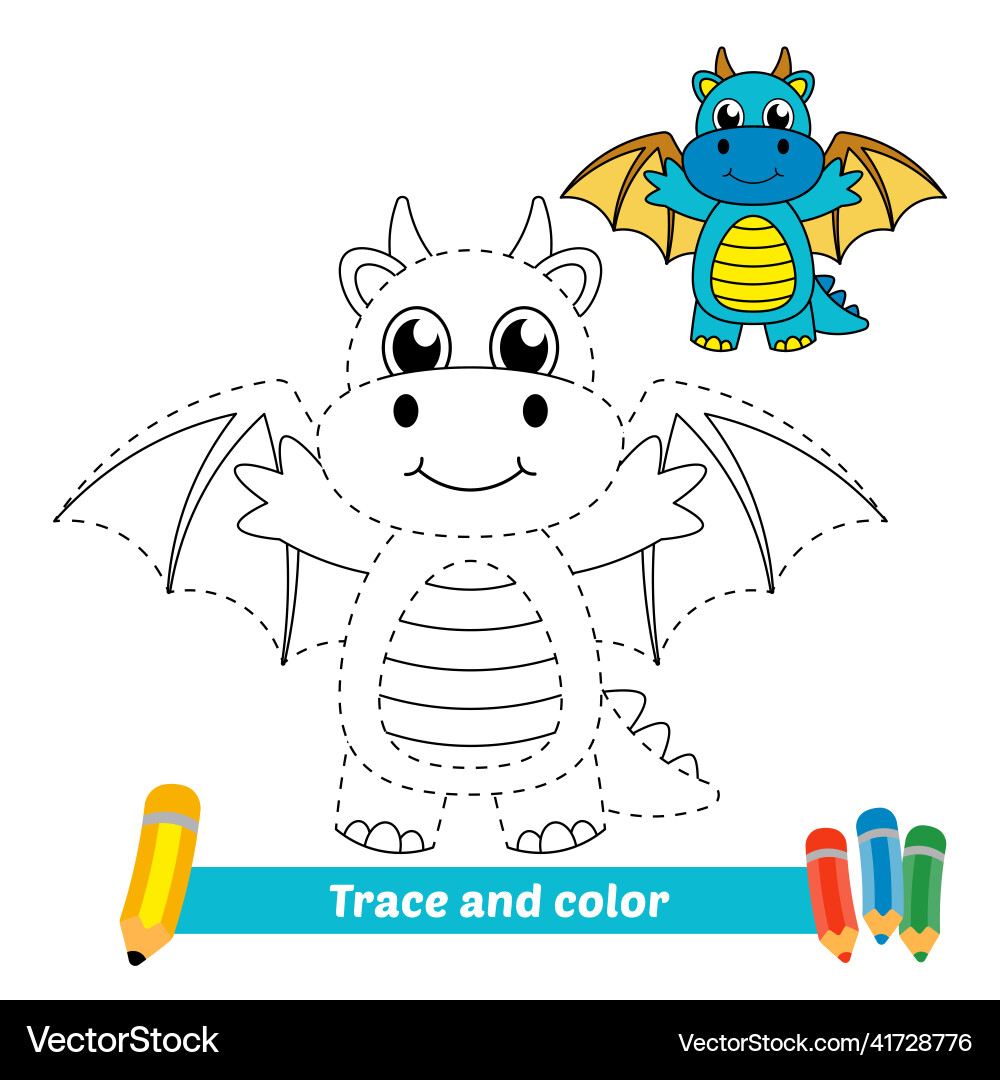
This specialized resource focuses on thematic pre-writing curves, directional lines, and controlled strokes embedded within mythical beast illustrations. Children trace swooping wings, smoke trails, textured scales, and curved tails, translating visual motifs into controlled physical movements. It sounds simple, and that is the exact point of early pre-writing design. By removing the pressure of traditional letter formation, young learners focus entirely on pencil grip, sustained pressure, and line fluidity. Tracing these mythical contours builds the hand-eye coordination necessary to navigate complex visual layouts.
Key Learning Outcomes
Targeted engagement with these mythical illustrations fosters a variety of crucial early childhood milestones. Learners develop refined pencil control through navigating smooth curves, sharp angles, and continuous loops. Hand strength improves naturally as little fingers sustain proper tripod grasps to trace intricate wing details and lengthy tails. Spatial awareness blossoms as children track lines across the page from left to right, laying cognitive groundwork for reading and writing flow. Furthermore, visual-motor integration strengthens as the hand translates visual paths into accurate, steady pen strokes without straying off the dotted tracks.
How to Use This Worksheet
Successful implementation relies on keeping the atmosphere light, encouraging, and pressure-free. Begin by presenting the page as an adventure story where the pencil acts as a magical shield guiding the friendly dragon home. Encourage children to start tracing from the designated points, observing how the hand moves across the page. Allowing freedom to color the finished artwork afterward provides a wonderful reward that reinforces the intrinsic motivation to complete the physical task.
Practical Tips for Parents and Teachers
Guiding a young hand requires observing individual grip development and offering gentle, physical adjustments rather than verbal corrections. When a child’s hand tires, pause the session to shake out the fingers or complete finger-play exercises to build intrinsic hand muscle endurance. Scaffold the learning experience by starting with thicker, prominent lines before transitioning to finer, more complex details found in the scaled body sections. Providing broken crayons, short pencils, or golf pencils naturally encourages a functional tripod grasp by preventing the hand from wrapping fully around a long instrument. According to the National Association for the Education of Young Children, active adult scaffolding during playful fine motor tasks significantly enhances a child’s self-regulation and skill acquisition.
Age-Appropriate Recommendations
Developmental readiness dictates the appropriate approach for different age groups utilizing these thematic printables. For toddlers and preschoolers aged two to four, the focus centers on gross motor arm movements, palmar or transitional grasps, and simple continuous lines, aligning with early childhood developmental milestones outlined by the Centers for Disease Control and Prevention. Children aged five to eight are typically refining a mature three-point tripod grasp, exhibiting greater finger isolation, and mastering precise directional control, which directly supports the complex visual tracking needed for Shape and Line Tracing activities. Educators can scale the challenge by sliding the printables inside dry-erase sleeves, allowing children to practice stroke recovery and repetition without the permanence of ink.
Foundational fine motor control and tactile exploration are essential precursors to functional handwriting and academic success — American Occupational Therapy Association
Frequently Asked Questions
Navigating printing requirements, developmental benefits, and sourcing reliable early learning materials ensures a smooth experience for adults and children alike. Reviewing these common inquiries provides clear guidance on maximizing the benefits of thematic drawing pages.
Explore More Free Printable Tracing Worksheets
Expanding a child’s pencil control journey involves exploring diverse themes, letters, and numbers designed to keep engagement high. Discover a comprehensive collection of supplementary resources by visiting the complete library available at KidTraces.com. Whether transitioning toward letter formation with Alphabet And Numbers Tracing sheets or refining hand dexterity through Fine Motor and Pre-Writing Skills exercises, consistent practice builds lasting confidence. Explore fun options like Seasonal and Fun Themes to keep young learners eager for daily writing adventures.
Developmental Milestone & Activity Table
| Development Stage | Recommended Daily Duration | Primary Learning Objective |
|---|---|---|
| Preschool & Pre-K | 10 – 15 Minutes | Pencil grip development & basic pre-stroke lines |
| Kindergarten | 15 – 20 Minutes | Letter/number formation & spatial line awareness |
| Early Elementary (Grade 1–2) | 20 – 30 Minutes | Fluency, sentence construction & neatness |
Images References