Introduction
Many children recognize letters, symbols, and geometric forms long before their small hand muscles possess the endurance and dexterity required to accurately form them with a standard pencil. According to the American Occupational Therapy Association, foundational fine motor control and bilateral hand coordination are essential prerequisites for functional academic success and successful handwriting later in childhood. Closing this gap between cognitive readiness and physical capability requires hands-on exploration that builds intrinsic muscle tone without the frustration of early pencil fatigue. Enter the free printable pom pom tracing shapes activity, a tactile powerhouse designed to bridge sensory engagement and foundational pre-writing preparation. It sounds simple, and that’s the point: trading the rigid writing utensil for fluffy craft pom poms transforms intimidating lines into an inviting, playful sensory invitation.
💡 Educational Key Takeaways:
- Core Skill: Structured Pom Pom Tracing Shapes focused on developing pencil grip, stroke control, and early literacy/math confidence.
- Target Scope: Suited for homeschoolers, preschool, kindergarten, and elementary learners.
- Best Recommendation: Practice 10–15 minutes daily with ergonomic writing tools to reinforce muscle memory without hand fatigue.
What This Worksheet Covers
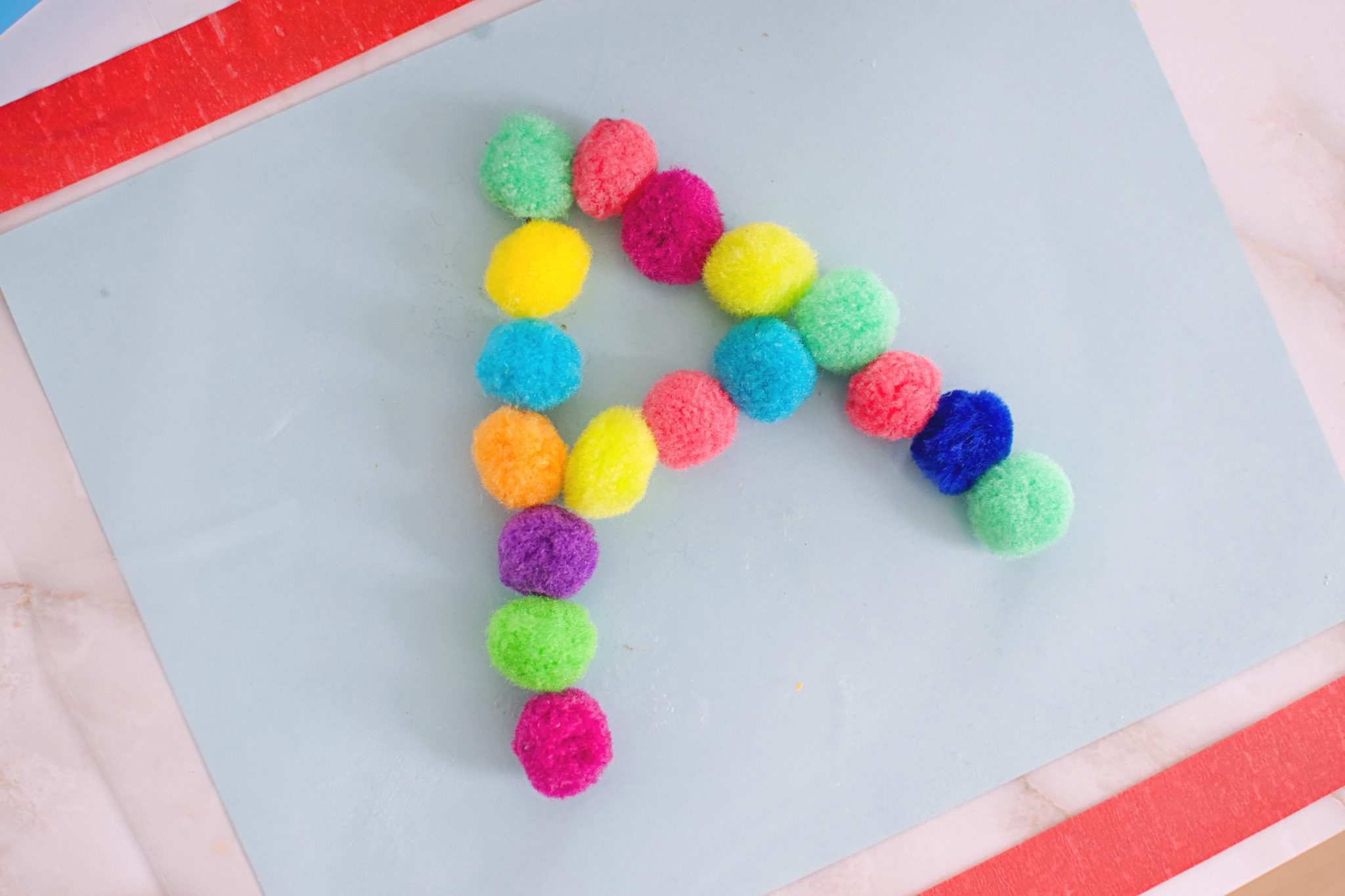
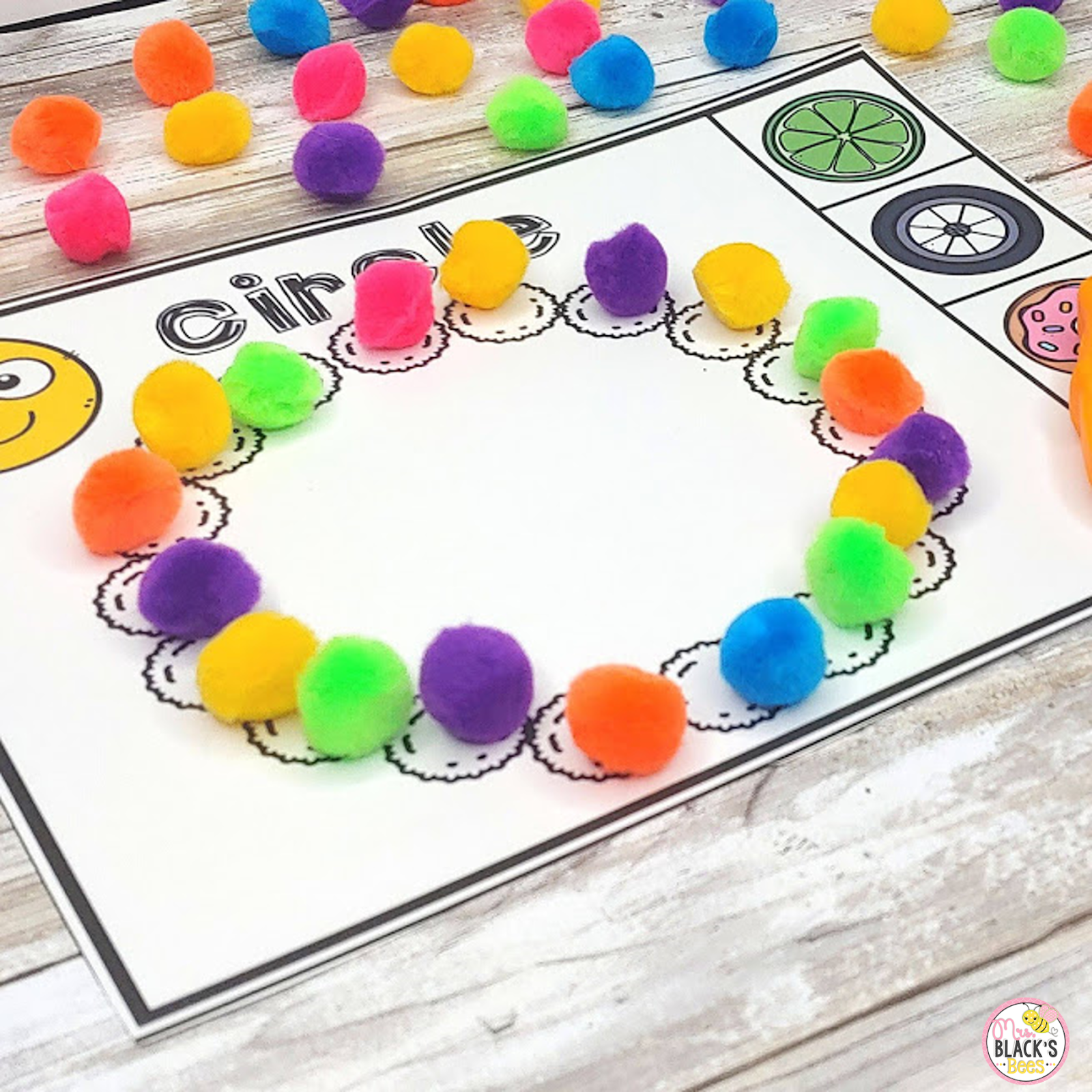
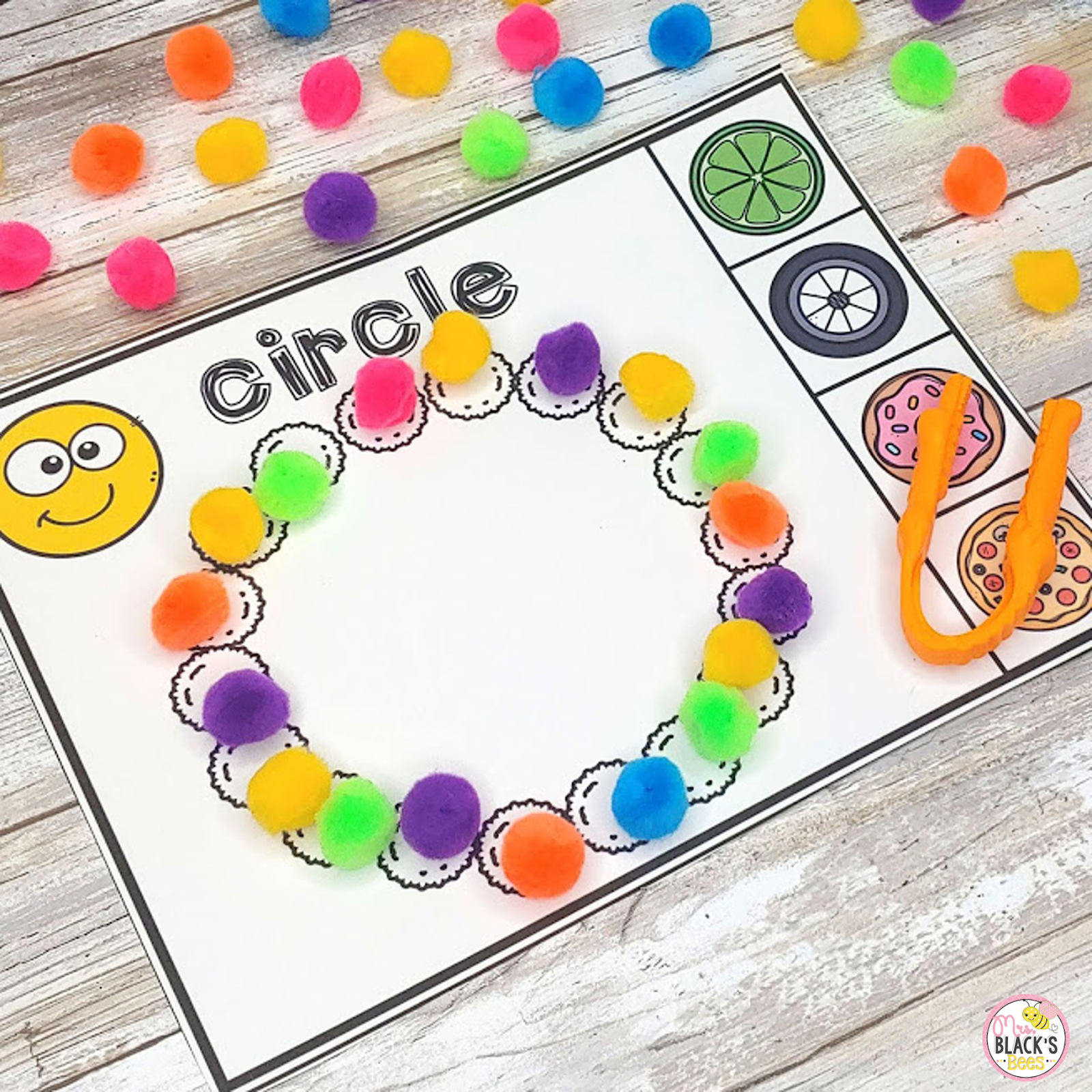
This specialized resource focuses heavily on establishing strong spatial awareness, hand-eye coordination, and finger isolation. Instead of dragging a pencil tip across blank paper, young learners pick up colorful pom poms using fingers or specialized tools like jumbo tweezers, placing them sequentially along designated geometric pathways. Circles, squares, triangles, and complex polygons become tactile maps where every single placement reinforces visual-motor integration. Children visually track the path of the shape while simultaneously feeling the physical distance between placements, which builds an internal map of strokes and curves. Exploring these pathways supports the essential movement patterns detailed across various Shape and Line Tracing activities found throughout early education curricula.
Key Learning Outcomes
Engaging with pom pom tracing shapes fosters robust motor control by demanding precise visual-spatial planning and steady finger positioning. As participants grasp and release materials repeatedly, intrinsic hand muscles strengthen, paving the way for a mature tripod grasp. Crossing the midline occurs naturally as hands sweep across wide geometric layouts, stimulating vital neural pathways across both brain hemispheres. Furthermore, children develop sustained attention span and frustration tolerance through self-correcting play, learning to adjust spacing and alignment independently. These underlying physical mechanics directly support broader developmental milestones outlined within the wider Fine Motor and Pre-Writing Skills collection.
How to Use This Worksheet
Preparation involves printing the selected geometric layout on sturdy cardstock and gathering a collection of small craft pom poms alongside optional plastic tweezers. Adults invite the learner to follow the printed outlines by placing one pom pom after another along the dotted or solid boundary lines. Beginning at the designated starting point ensures children internalize directional habits that easily translate to future letter and number formations. For added durability in busy environments, slipping the printed sheet inside a clear plastic dry-erase sleeve allows for repeated tactile play without wear and tear. Once the tactile mapping is complete, children often enjoy transitioning to traditional writing implements to trace over the exact same paths they just populated.
Practical Tips for Parents and Teachers
Scaffolding this activity successfully relies on matching tool selection to the current developmental stage of the child. Younger toddlers benefit from using thumb and index finger pinches to pick up objects, which directly targets pincer grasp development. Introducing kid-safe plastic tongs or tweezers transforms the exercise into a powerful tool for strengthening arches within the palm. Adults should model starting at the top left of each shape to reinforce standard reading and writing directionality naturally. Offering verbal encouragement focused on persistence rather than perfection keeps the atmosphere low-stress, ensuring children remain intrinsically motivated to complete the entire geometric circuit.
Age-Appropriate Recommendations
According to the National Association for the Education of Young Children Developmentally Appropriate Practice guidelines, children aged two to four learn best through multi-sensory manipulation that integrates tactile feedback with spatial exploration. For this younger cohort, adults should focus purely on open-ended placement, bilateral coordination, and sensory exploration without placing strict demands on precision. By ages five through eight, expectations shift toward purposeful pre-writing practice, aligning with structured frameworks like Handwriting Without Tears where children analyze shape components, corners, and continuous stroke directions. Older children can use smaller pom poms and specialized gripping tools to refine fine motor control, preparing their hands for fluid cursive and print writing down the road.
Foundational fine motor control and bilateral hand coordination are essential prerequisites for functional academic success and successful handwriting. — American Occupational Therapy Association
Frequently Asked Questions
Navigating questions about setup, developmental benefits, and printing best practices ensures educators and caregivers maximize the therapeutic and educational value of every printable activity sheet.
Explore More Free Printable Tracing Worksheets
Supporting a well-rounded early childhood curriculum requires access to diverse, engaging resources that grow alongside developing learners. Whether targeting letter formation, numerical fluency, or seasonal motifs, educators and parents can browse the complete, high-quality collection available across KidTraces.com. Discover targeted practice sheets ranging from foundational strokes to complex handwriting aids by exploring the comprehensive Tracing Worksheets directory today.
Developmental Milestone & Activity Table
| Development Stage | Recommended Daily Duration | Primary Learning Objective |
|---|---|---|
| Preschool & Pre-K | 10 – 15 Minutes | Pencil grip development & basic pre-stroke lines |
| Kindergarten | 15 – 20 Minutes | Letter/number formation & spatial line awareness |
| Early Elementary (Grade 1–2) | 20 – 30 Minutes | Fluency, sentence construction & neatness |
Images References