Introduction
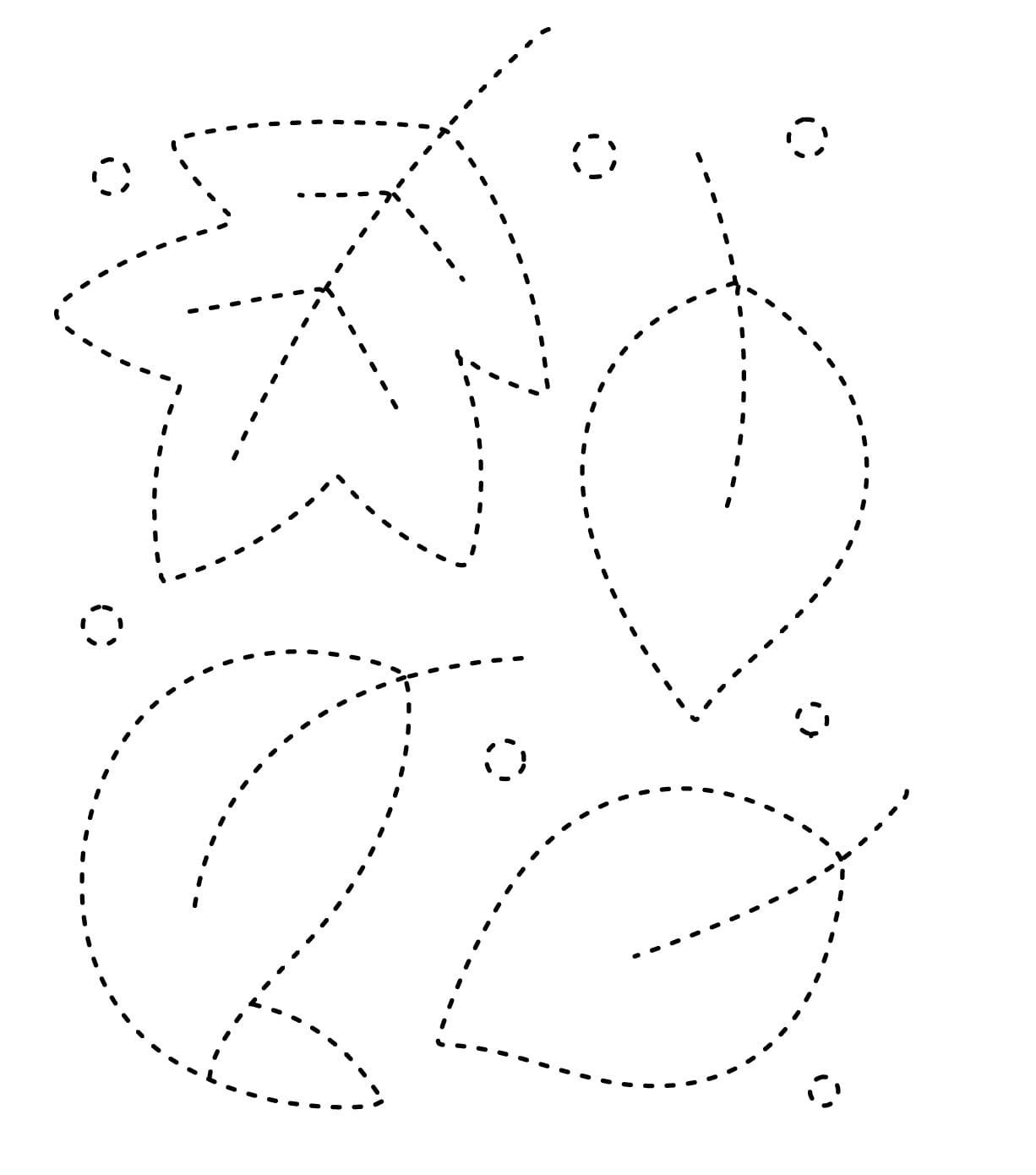
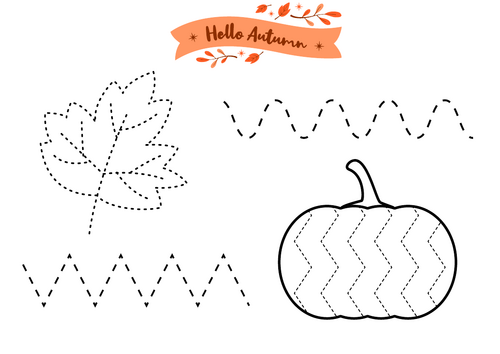
Many children recognize letters, shapes, and seasonal patterns long before their fine motor muscles possess the physical strength and dexterity required to form them on paper. According to the National Association for the Education of Young Children (NAEYC), developmentally appropriate practice requires balancing children’s cognitive understandings with motor skill readiness. This developmental gap often frustrates eager learners who want to write but struggle with pencil control. Seasonal printables bridge this gap by transforming repetitive drill work into engaging play. The free printable autumn tracing resource offers a welcoming entry point for children mastering early pen control through thematic motifs like falling leaves, pumpkins, and acorns. It sounds simple, and that’s the point: engaging themes reduce anxiety and increase the sheer volume of practice time children willingly invest.
💡 Educational Key Takeaways:
- Core Skill: Structured Autumn Tracing focused on developing pencil grip, stroke control, and early literacy/math confidence.
- Target Scope: Suited for homeschoolers, preschool, kindergarten, and elementary learners.
- Best Recommendation: Practice 10–15 minutes daily with ergonomic writing tools to reinforce muscle memory without hand fatigue.
What This Worksheet Covers
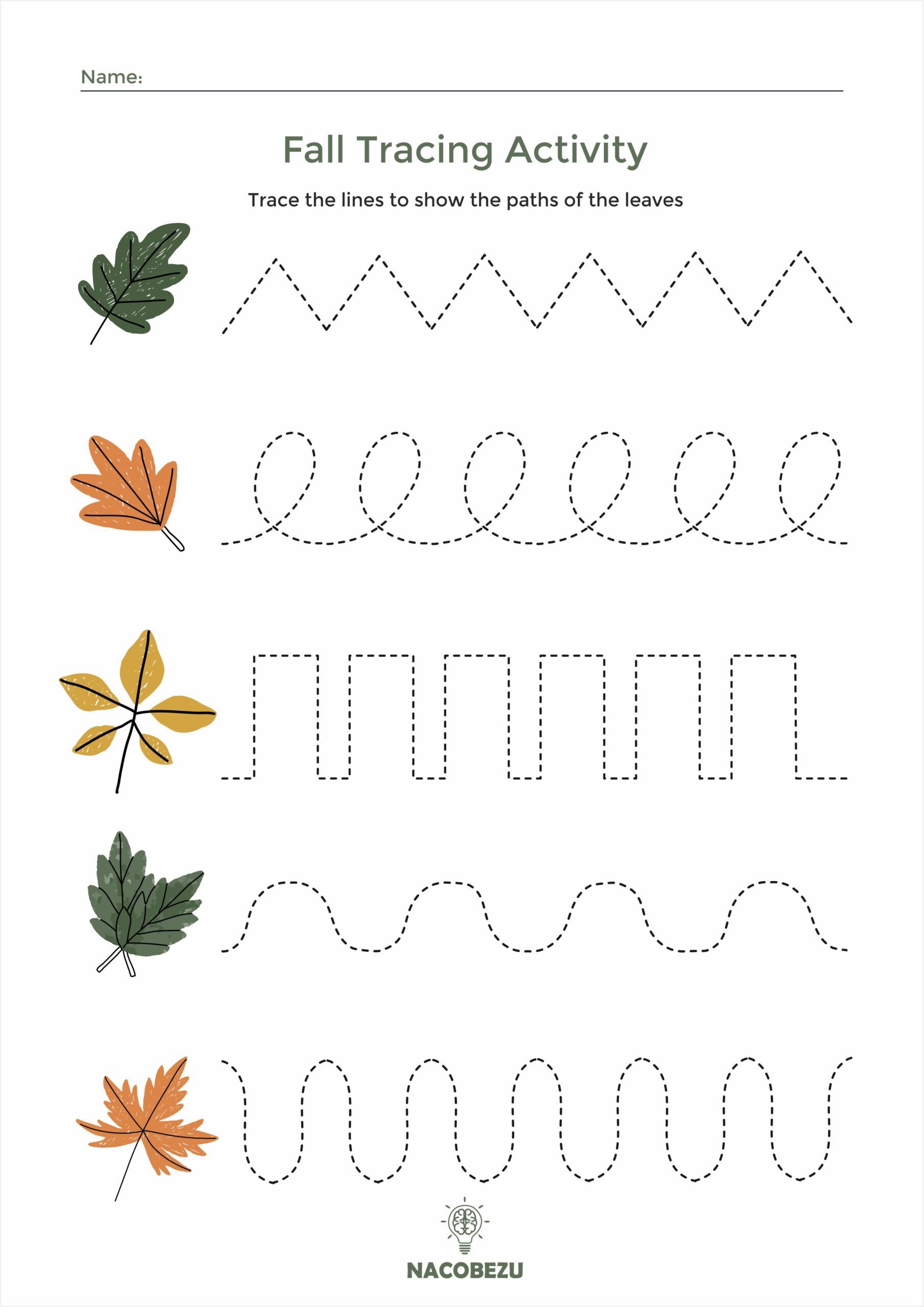
The layout targets foundational pencil management through deliberate, scaffolded line variations that progress from basic horizontal paths to complex zigzags and loops. Children navigate seasonal graphics by connecting dotted pathways, which gently trains the hand to pause, pivot, and reverse direction fluidly. Rather than rushing straight into dense alphabet writing, the activity focuses on building the visual-motor integration necessary for tracking left-to-right across a page. Tracing curved lines mimics the exact strokes needed for letters like ‘s’, ‘c’, and ‘o’. This targeted repetition strengthens the small intrinsic muscles of the hand while building muscle memory. Educators exploring seasonal resources often look at broader collections like Seasonal and Fun Themes to maintain high engagement throughout the changing school year.
Key Learning Outcomes
Learners progress through several distinct developmental milestones while completing these exercises. First, eye-hand coordination improves significantly as visual input guides physical hand movements along the dotted trails. Second, pencil control deepens because children must adjust pressure and wrist rotation to navigate sharp angles and sweeping curves. Third, bilateral coordination gets a quiet workout as the non-dominant hand stabilizes the paper while the dominant hand writes. Fourth, spatial awareness expands as little ones learn to stay within defined visual boundaries from start to finish. Finally, task persistence improves as children complete a unified seasonal picture from isolated strokes.
How to Use This Worksheet
Success with pre-writing sheets depends heavily on the physical environment and setup before the pencil ever touches the paper. Positioning the paper slightly slanted toward the writing hand matches the natural arc of a child’s wrist movement. Using short, stubby writing utensils—such as broken crayons, golf pencils, or short markers—naturally encourages a functional tripod grasp by preventing fisted grips. According to the American Occupational Therapy Association (AOTA), utilizing vertically inclined surfaces like easels or clipboards propped against a wall activates proximal shoulder stability, which directly improves distal finger control. Allowing children to trace first with an index finger before picking up a writing tool builds confidence and mental planning.
Practical Tips for Parents and Teachers
Adults can scaffold the experience by modeling correct stroke directionality out loud, emphasizing that lines start at the top and move downward or left to right. If a child shows hand fatigue or frustration, pause the activity immediately and engage in heavy work activities like wall pushes or bear crawls to wake up the upper extremities. Extend the learning by pairing the worksheet with hands-on manipulatives, such as laying real leaves or smooth stones over the printed paths. Avoid erasing perceived mistakes; instead, frame accidental slips as part of the creative journey. For classrooms requiring ongoing reinforcement, pairing this with Shape and Line Tracing ensures continuous development of foundational pre-writing strokes.
Age-Appropriate Recommendations
Children between ages two and four benefit most from thick, continuous lines, simple vertical and horizontal tracks, and large-format graphics that accommodate developing gross-to-fine motor transitions, aligning with early childhood expectations outlined in the CDC developmental milestones. At this stage, focus remains on intentional marks rather than staying strictly on the dotted path. By ages five through eight, children tackle intricate curves, zigzag paths, and diagonal crossings that prepare them for formal handwriting instruction in alignment with Common Core ELA standards for print awareness and penmanship. Older kindergarten and early elementary students use these autumn sheets to refine pressure modulation, ensuring lines are neither too faint nor aggressively torn into the paper. Broadening practice across foundational categories like Fine Motor and Pre-Writing Skills helps bridge these distinct developmental brackets smoothly.
Fine motor competence in early childhood serves as a significant predictor of later academic success across multiple domains. — American Occupational Therapy Association (AOTA)
Frequently Asked Questions
Answers to common inquiries regarding implementation and developmental benefits provide clarity for home and classroom use.
Consistent multisensory pre-writing practice establishes neural pathways necessary for fluid letter formation and long-term writing endurance. — National Institutes of Health (NIH)
Explore More Free Printable Tracing Worksheets
Supporting a young writer involves offering a diverse array of engaging, low-pressure practice materials that evolve alongside growing motor capabilities. Exploring the full collection available through KidTraces.com provides educators and families with endless options for every season and skill level. Whether focusing on foundational strokes or seasonal motifs, consistent and joyful practice makes all the difference. Discover additional resources across categories like Tracing Worksheets to keep early writing sessions fresh, inspiring, and developmentally appropriate year-round.
Developmental Milestone & Activity Table
| Development Stage | Recommended Daily Duration | Primary Learning Objective |
|---|---|---|
| Preschool & Pre-K | 10 – 15 Minutes | Pencil grip development & basic pre-stroke lines |
| Kindergarten | 15 – 20 Minutes | Letter/number formation & spatial line awareness |
| Early Elementary (Grade 1–2) | 20 – 30 Minutes | Fluency, sentence construction & neatness |
Images References