Introduction
Many children recognize letters, name them with glee, and even sound them out long before their tiny hand muscles possess the endurance or dexterity to form them on paper. According to Reading Rockets, children typically develop foundational print awareness and letter recognition skills well ahead of their physical capacity to control a writing utensil. Bridging this gap requires engaging, low-stress materials that make pencil control feel like play rather than a tedious chore. Enter the worksheet with letter a dinosaur, a themed resource designed to capture attention while building essential pre-writing foundations. It sounds simple, and that is precisely the point. When learning connects to a child’s natural fascinations, resistance fades, and purposeful practice begins. Explore more in our Seasonal and Fun Themes collection.
💡 Educational Key Takeaways:
- Core Skill: Structured Worksheet With Letter A Dinosaur focused on developing pencil grip, stroke control, and early literacy/math confidence.
- Target Scope: Suited for homeschoolers, preschool, kindergarten, and elementary learners.
- Best Recommendation: Practice 10–15 minutes daily with ergonomic writing tools to reinforce muscle memory without hand fatigue.
What This Worksheet Covers
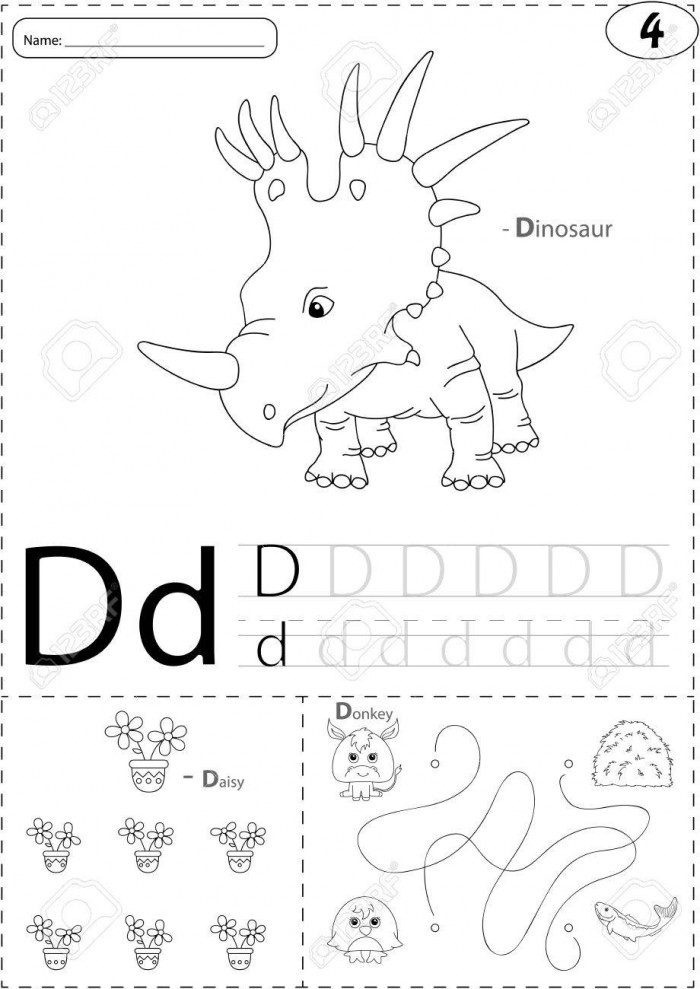
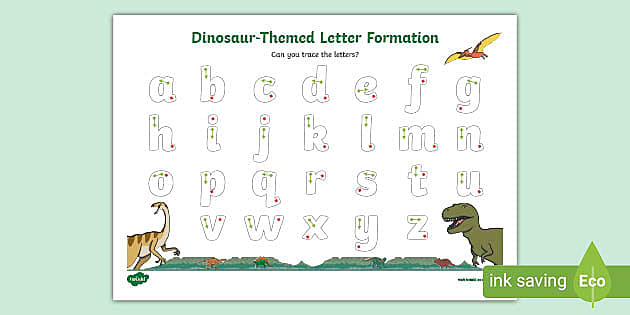
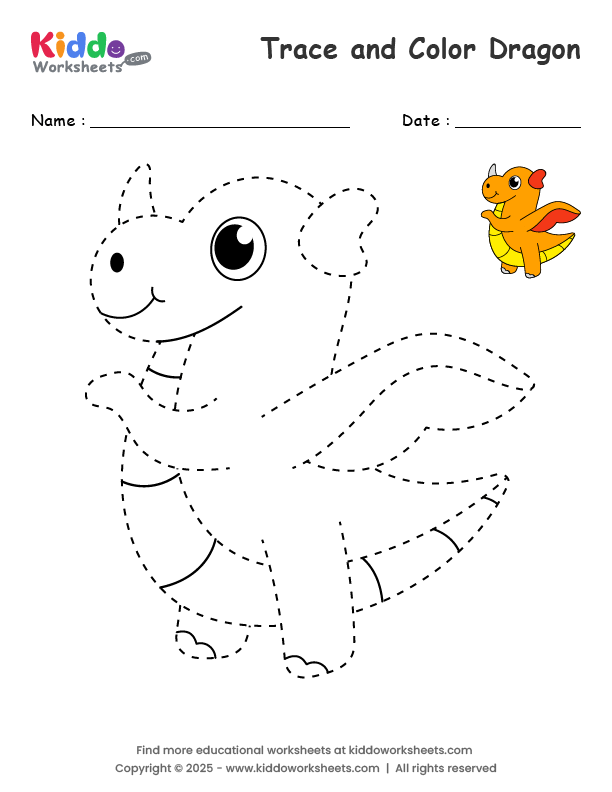
This targeted printout focuses heavily on early alphabet mastery, specifically zeroing in on the short and long sounds of the first letter of the alphabet while reinforcing proper stroke directionality. Guided formations help young learners understand where to place the pencil tip, which direction to curve, and how to finish a distinct letter shape without lifting the instrument prematurely. Alongside letter formation, the prehistoric theme naturally incorporates visual-motor integration tasks. Children trace curving dinosaur tails, spiky back plates, and winding paths, all of which directly translate into the precise hand movements required for future handwriting success. Building these neural pathways early reduces writing fatigue and prevents the formation of awkward pencil grasps down the road.
Key Learning Outcomes
Targeted engagement with this resource yields several measurable developmental milestones. First, young learners master correct letter formation through structured dotted guides, ensuring they internalize proper top-to-bottom and left-to-right stroke habits from the very beginning. Second, visual-motor coordination vastly improves as eyes and hands work in unison to navigate complex curves and directional lines embedded within the prehistoric artwork. Third, phonics reinforcement occurs organically as children associate the letter shape with a familiar vocabulary word, linking visual symbols to auditory sounds. Finally, children build sustained attention span and task persistence, learning to complete a structured activity from start to finish with growing independence.
How to Use This Worksheet
Successful implementation depends heavily on creating a low-pressure, supportive environment where mistakes are treated as normal stepping stones. Begin by inviting the child to trace the letter with a finger before introducing any writing utensil, allowing kinesthetic feedback to imprint the shape into muscle memory first. Slide the sheet inside a heavy-duty plastic sleeve and offer a dry-erase marker for children who experience high anxiety around permanent marks or pencil resistance. Observe how the hand rests on the page, gently guiding the wrist into a neutral position if it begins to hook awkwardly. Consistency matters more than volume, meaning brief, joyful sessions yield far better developmental outcomes than lengthy, forced drills.
Practical Tips for Parents and Teachers
Adult modeling remains one of the most powerful teaching tools available during early literacy activities. Sit beside the learner and write a large version of the target letter in the air, exaggerating the starting point and verbalizing the stroke steps out loud. Scaffold the experience by physically hand-over-hand guiding the movement for the first two attempts, then gradually fading support until the child completes the remaining items independently. According to the American Occupational Therapy Association, incorporating short movement breaks or heavy work activities before a desk task significantly improves postural stability and hand control. Integrate a playful dinosaur stomp or arm stretch right before picking up the writing tool to wake up sleepy hand and shoulder muscles.
Age-Appropriate Expectations
Developmental readiness varies dramatically across early childhood, requiring expectations that align with distinct age groups. According to the National Association for the Education of Young Children guidelines on developmentally appropriate practice, two- and three-year-olds are primarily exploring gross motor lines, vertical strokes, and circular scribbles, making them better suited for sensory tracing rather than strict pencil-on-paper mastery. By ages four through six, children typically develop the hand strength and bilateral coordination needed to tackle guided letter formation, directional arrows, and structured control sheets. Children aged seven and eight refine these skills through Alphabet And Numbers Tracing, focusing on sizing consistency, line placement, and pacing.
Children typically develop foundational print awareness and letter recognition skills well ahead of their physical capacity to control a writing utensil. — Reading Rockets
Frequently Asked Questions
Navigating early childhood writing resources can bring up many practical questions regarding printing formats, motor skill development, and foundational readiness standards. The answers below address the most common inquiries from educators and caregivers alike.
Incorporating short movement breaks or heavy work activities before a desk task significantly improves postural stability and hand control. — American Occupational Therapy Association
Explore More Free Printable Tracing Worksheets
Expanding a child’s pencil control toolkit requires a diverse variety of engaging, theme-driven practice pages. Caregivers and educators can effortlessly locate supplemental resources across categories like Fine Motor and Pre-Writing Skills to build foundational hand strength. For older learners ready to tackle more intricate shapes, browsing through Shape and Line Tracing provides wonderful variety. Explore the full library of developmental tools anytime by visiting KidTraces.com for fresh ideas.
Developmental Milestone & Activity Table
| Development Stage | Recommended Daily Duration | Primary Learning Objective |
|---|---|---|
| Preschool & Pre-K | 10 – 15 Minutes | Pencil grip development & basic pre-stroke lines |
| Kindergarten | 15 – 20 Minutes | Letter/number formation & spatial line awareness |
| Early Elementary (Grade 1–2) | 20 – 30 Minutes | Fluency, sentence construction & neatness |
Images References