Introduction
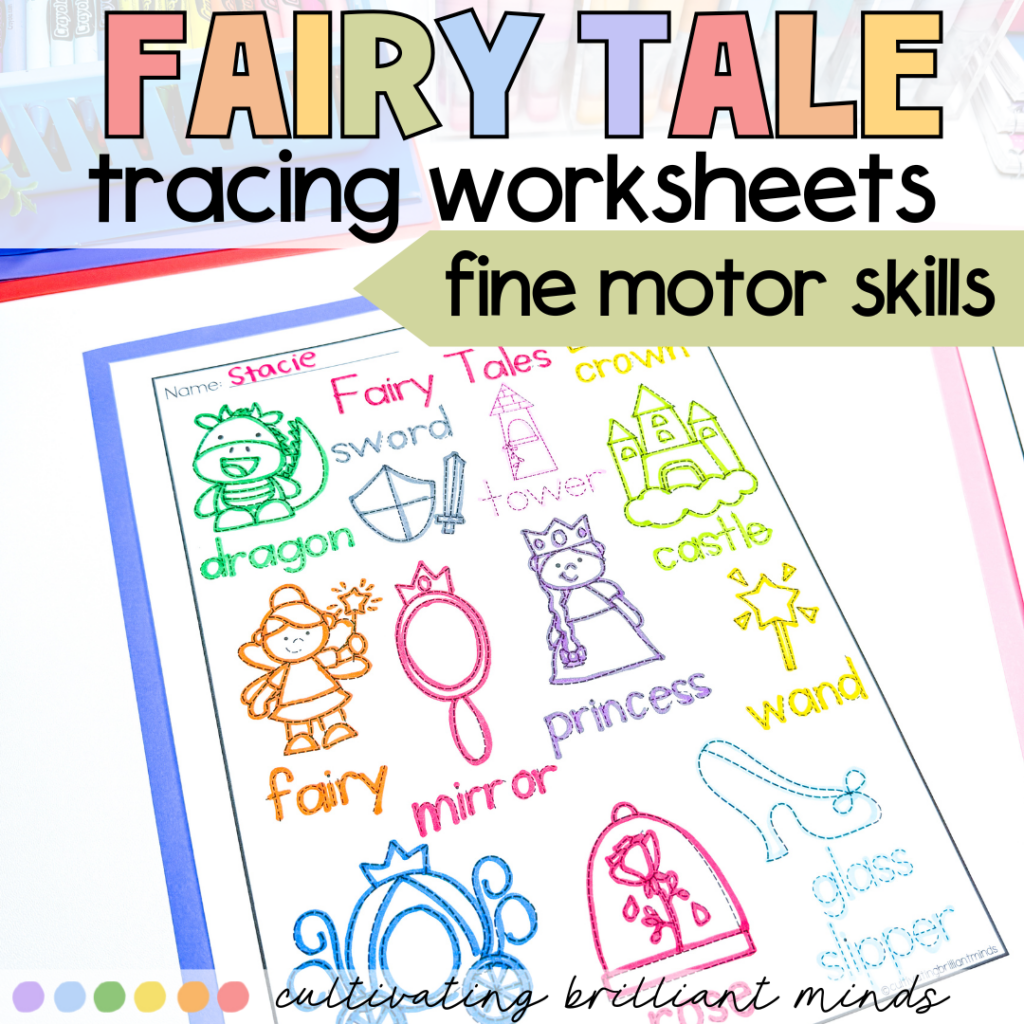
Many children recognize letters, numbers, and narrative concepts long before their fine motor coordination and hand strength allow them to cleanly form those symbols on paper. According to Reading Rockets, early handwriting and pencil control depend heavily on visual-motor integration, core stability, and tactile feedback rather than just cognitive understanding. Bridging that developmental gap requires engaging tools that transform repetitive pencil practice into an imaginative journey. The free printable fairy tale tracer meets this exact need by wrapping essential pre-writing strokes and structural line control in a magical kingdom theme. Children connect castles to crowns, guide knights along winding pathways, and trace majestic dragons while simultaneously building the intrinsic hand muscles necessary for lifelong literacy.
💡 Technical Key Takeaways:
- Core Focus: Diagnostic schematic and terminal connection layout for Fairy Tale Tracer.
- Target Scope: Field technicians, automotive DIYers, and residential/commercial electricians.
- Safety Rule: Always disconnect the primary power source/battery terminal and verify zero voltage with a multimeter before touching wires.
What This Worksheet Covers
This resource focuses on thematic fine motor skill development through targeted visual-motor challenges. Instead of forcing monotonous drills, the layout incorporates fairy tale narratives to maintain high engagement while strengthening pencil control. Every line, curve, and geometric path mimics the fundamental strokes required for successful letter and numeral formation. Exploring Seasonal and Fun Themes often reveals that thematic integration substantially increases time-on-task for reluctant writers.
Key Learning Outcomes
Working through these magical tracing pages refines visual tracking from left to right, which serves as a vital precursor to reading fluency. Children master smooth continuous curves, sharp angular direction changes, and controlled pencil stops that prevent hand fatigue. According to the American Occupational Therapy Association, mastering these foundational pre-writing strokes directly correlates with improved legibility and writing speed in later elementary grades. Hand-eye coordination improves naturally as young learners visually anticipate the end of each castle wall or beanstalk pathway before their pencil arrives there.
How to Use This Worksheet
Setting up the tracing activity properly ensures that hand mechanics remain relaxed and ergonomically sound. Printing the sheets on slightly heavier cardstock or sliding them into clear plastic dry-erase pockets allows for repeated practice without paper tearing. Children can use dry-erase markers or chunky crayons initially to build confidence before transitioning to standard pencils. Integrating resources like Shape and Line Tracing beforehand helps prepare little hands for the specific stroke variations found within these magical layouts.
Practical Tips for Parents and Teachers
Adults play a crucial coaching role by monitoring pencil grasp and upright posture during the tracing session. Encouraging a functional tripod grasp prevents early hand cramping, though a modified grasp remains completely acceptable for toddlers and younger preschoolers. When a child struggles with a steep castle roof or a swirling dragon tail, adults can gently guide the child’s hand through the movement once or twice to provide muscle memory. Scaffolding the activity by starting with thicker, straight boundary lines before advancing to intricate mazes ensures continuous success and prevents frustration.
Age-Appropriate Recommendations
For toddlers and preschoolers aged two to four, the focus centers entirely on palmar or digital pronate grasps, heavy vertical lines, and simple horizontal sweeps, aligning with NAEYC Developmentally Appropriate Practice guidelines for gross motor and early fine motor integration. Children ages five to eight transition toward mature tripod grasps, precise diagonal control, and letter formation, satisfying foundational Common Core standards for printing legibly. Pairing these activities with options from Fine Motor and Pre-Writing Skills provides an exceptionally well-rounded foundation for early academic success.
Visual-motor integration and pencil control exercises significantly improve early writing readiness and letter formation accuracy in young children. — American Occupational Therapy Association
Frequently Asked Questions
Navigating early childhood writing tools raises common questions regarding printing formats, developmental timing, and instructional strategies for diverse learners.
Explore More Free Printable Tracing Worksheets
Supporting a young learner through every stage of development requires a diverse library of engaging practice materials. The complete collection at KidTraces.com offers thousands of zero-prep resources designed by educators and specialists. Families and educators can discover endless opportunities for skill-building across every developmental domain.
Quick Wiring Specifications & Terminal Guide
| Component / Circuit | Standard Wire Gauge | Recommended Protection |
|---|---|---|
| Control & Trigger Signals | 18 – 20 AWG | 5A – 7.5A Inline Fuse |
| Standard Auxiliary Load | 14 – 16 AWG | 15A – 20A Circuit Breaker |
| Main Power Feed / Supply | 10 – 12 AWG | 30A – 40A Heavy-Duty Relay |
Images References