Introduction
Children often recognize letters, shapes, and symbols long before their hand muscles possess the strength and endurance to form them on paper. According to the American Occupational Therapy Association, foundational fine motor skills—including hand strength, bilateral coordination, and precise finger manipulation—are critical building blocks that must develop prior to proficient handwriting. Many adults forget that pencil control relies heavily on core stability and proximal shoulder control rather than just finger movement alone. Transforming early writing practice into an engaging, heroic mission bridges the gap between cognitive readiness and physical execution. Utilizing superhero free printable tracing resources captures children’s natural imagination while gently challenging their developing hand-eye coordination. Motivation skyrockets when a simple writing exercise becomes a mission to save the day, transforming reluctant learners into enthusiastic participants who willingly practice essential pre-writing strokes. Explore more in our Seasonal and Fun Themes collection.
💡 Educational Key Takeaways:
- Core Skill: Structured Superhero Free Printable Tracing focused on developing pencil grip, stroke control, and early literacy/math confidence.
- Target Scope: Suited for homeschoolers, preschool, kindergarten, and elementary learners.
- Best Recommendation: Practice 10–15 minutes daily with ergonomic writing tools to reinforce muscle memory without hand fatigue.
What This Worksheet Covers
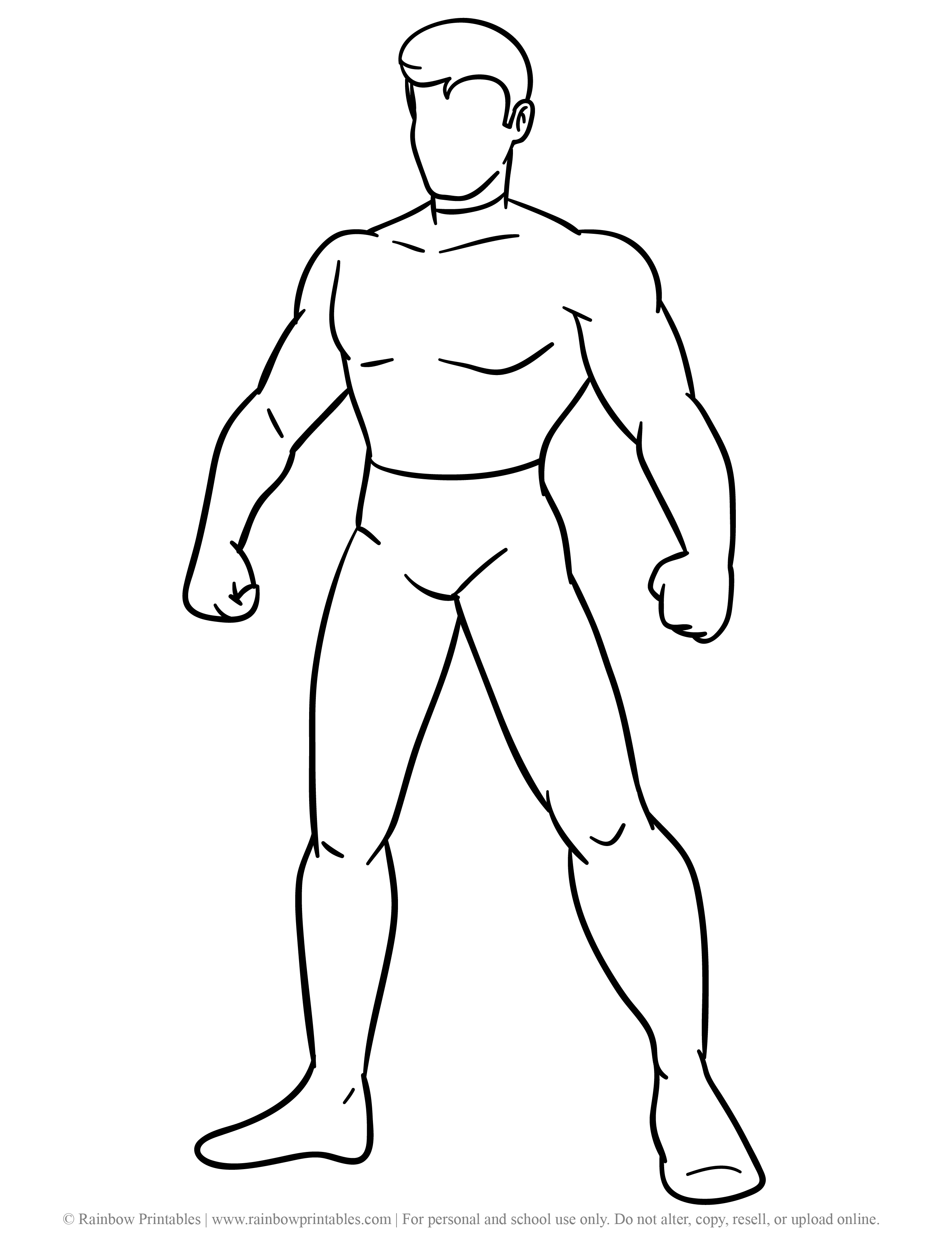
The superhero free printable tracing resource focuses on foundational pre-writing strokes, directional lines, and geometric shapes designed to mimic the movements required for letters and numbers. Each path encourages children to guide their pencils along specific trajectories, such as zig-zags representing lightning speed, sweeping curves mimicking cape flights, and concentric circles symbolizing shield forces. These specific visual paths train the eyes to track smoothly from left to right, a mandatory precursor for early literacy and reading fluency. Furthermore, tracing dynamic thematic lines provides varied resistance for little hands, encouraging them to modulate pressure and control speed. It sounds simple, and that’s the point: purposeful play disguises rigorous developmental work, allowing children to build essential muscle memory without feeling overwhelmed by traditional academic pressure. For more related activities, check out our Numbers And Letters In Space.
Key Learning Outcomes
Targeted pencil control improves dramatically as children learn to stop, start, and change direction smoothly within visual boundaries. Spatial awareness develops organically as young learners navigate paths that cross the midline of the body, fostering communication between the left and right hemispheres of the brain. Hand-eye coordination strengthens significantly through the continuous visual monitoring required to keep the writing utensil on the dotted trail. Additionally, sustained attention spans lengthen naturally because the motivating theme maintains high interest levels from the first stroke to the final flourish. Children also cultivate frustration tolerance, learning to retrace errors calmly and view mistakes as part of the heroic training process rather than a failure.
How to Use This Worksheet
Successful implementation begins with setting up an environment that supports optimal posture, ensuring the feet rest flat on the floor and the hips and knees bend at ninety-degree angles. Securing the paper with tape or a clipboard prevents slipping, which reduces frustration for children who lack established bilateral hand dominance. Adults should introduce the activity by framing the pencil as a superpower tool, inviting the child to power up their hand before touching the page. Starting with shorter, bold lines builds immediate success before moving toward complex curves and intricate mazes. Consistency matters far more than volume, meaning brief, joyful daily sessions yield much better neurological and muscular adaptations than exhausting, lengthy drills.
Practical Tips for Parents and Teachers
Adults must model an efficient tripod grasp while explicitly naming the fingers involved, such as the thumb, pointer, and tall man resting underneath. Scaffolding the activity appropriately means hand-over-hand assistance should fade rapidly into gentle verbal cues, eventually leaving the child to work independently. Extending the learning comes easily by sliding the printed sheet into a clear dry-erase sleeve, allowing children to wipe away stray marks and tackle the rescue mission multiple times. According to the National Association for the Education of Young Children, play-based learning environments that honor developmental progressions lead to higher long-term academic engagement. Teachers and caregivers should observe whether a child presses too hard or too softly, adjusting the writing tool to a softer lead pencil or a shorter crayon to provide optimal sensory feedback.
Age-Appropriate Recommendations
For younger children aged two to four, the focus aligns closely with the early childhood milestones outlined by the Centers for Disease Control and Prevention, emphasizing vertical and horizontal stroke imitation, palmar or transitional grasps, and gross arm movements. At this developmental stage, toddlers explore the tactile nature of tracing with thick markers or crayons on oversized paths that accommodate their natural movement patterns. As children progress into the five to eight age bracket, expectations shift toward refined digital-palmar or mature tripod grasps, precise letter formation, and fluid directional control as supported by the Handwriting Without Tears framework. Older children use these thematic tracing sheets to refine pencil pressure, master diagonal lines, and prepare for the rigorous demands of cursive and standard manuscript writing without losing the joy inherent in creative expression.
Foundational fine motor skills, including hand strength and bilateral coordination, are critical building blocks that must develop prior to proficient handwriting. — American Occupational Therapy Association
Frequently Asked Questions
Explore More Free Printable Tracing Worksheets
Extending beyond heroic adventures opens up a vast world of structured practice across multiple developmental domains. Children can continue their pencil control journey by exploring Shape and Line Tracing to master fundamental geometric strokes. Expanding letter knowledge becomes an exciting endeavor through Alphabet And Numbers Tracing. Caregivers looking to build foundational hand strength will find wonderful resources within Fine Motor and Pre-Writing Skills. Every resource is crafted thoughtfully to support young learners at their exact developmental stage, ensuring a smooth and joyful transition toward independent writing. Families and educators can discover the complete, ever-growing collection by visiting KidTraces.com today.
Developmental Milestone & Activity Table
| Development Stage | Recommended Daily Duration | Primary Learning Objective |
|---|---|---|
| Preschool & Pre-K | 10 – 15 Minutes | Pencil grip development & basic pre-stroke lines |
| Kindergarten | 15 – 20 Minutes | Letter/number formation & spatial line awareness |
| Early Elementary (Grade 1–2) | 20 – 30 Minutes | Fluency, sentence construction & neatness |
Images References